Description
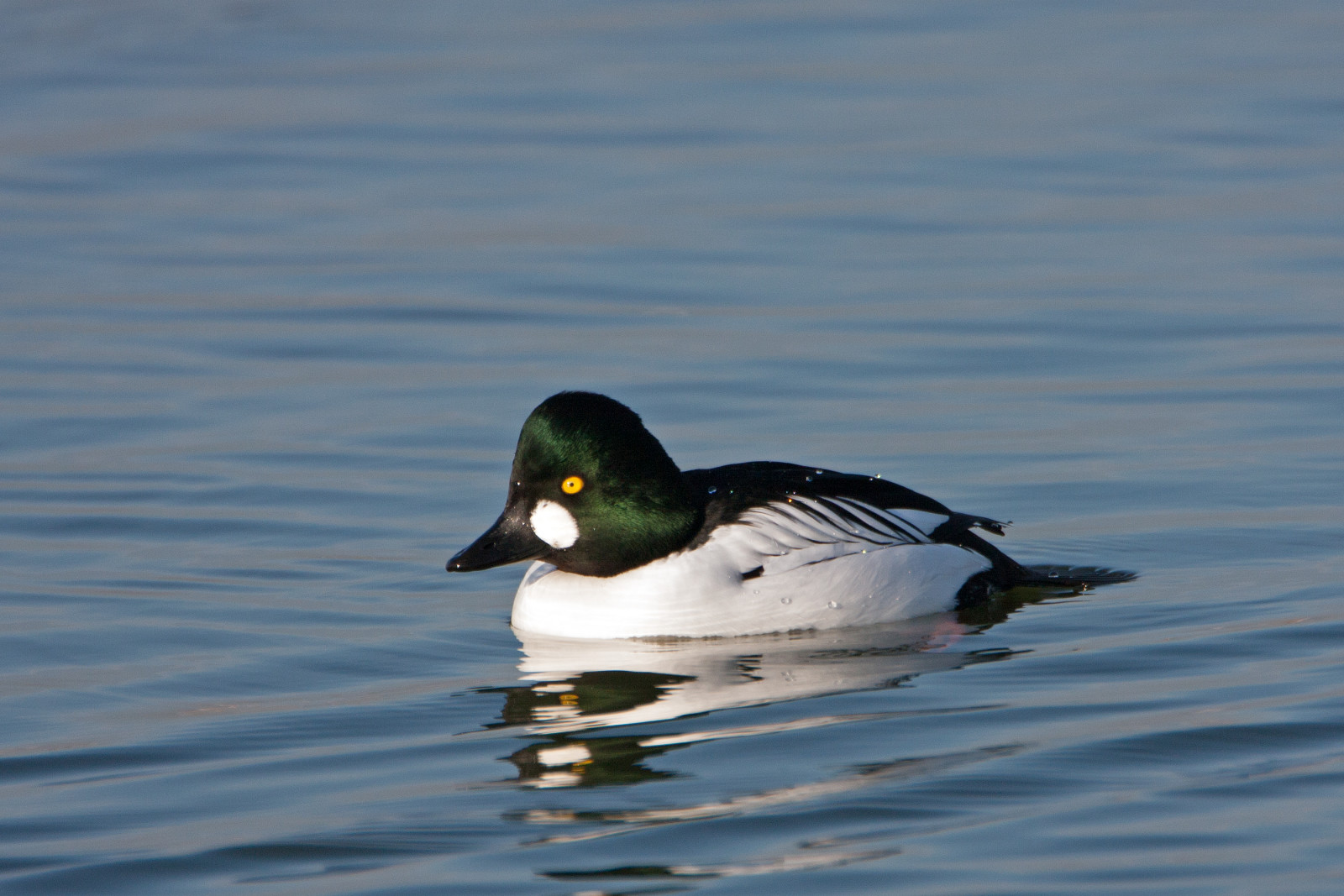
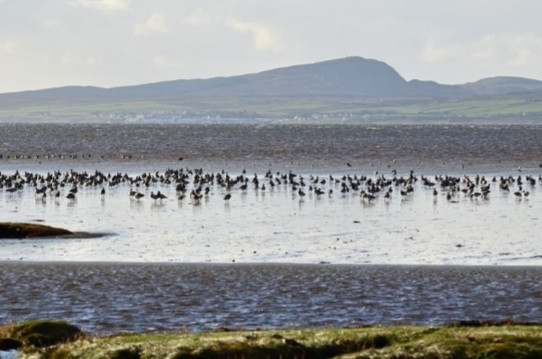
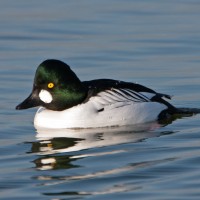
5,000 Apácalúd roost at Bridgend Flats at the landward end. A convenient road, with several specially provided bird-watching lay-by, hugs the shore from Bowmore to Bruichladdich, enabling one to view both the tidal sandflats at the head of the loch, where Nagy póling, Csigaforgató, Kis goda and Havasi partfutó occur in hundreds, and Parti lile, Piroslábú cankó, Sarki partfutó, Ezüstlile and others in at least tens. And also the shallow water, on which a flock of up to 300 Hegyi réce, up to 50 Füles vöcsök, large flocks of Pehelyréce, perhaps 25 Kerceréce, a dozen jegesréce, plenty of Énekes hattyú and Bütykös hattyú and several hundred Fütyülő réce, spend the winter. Further out on the loch, and often better seen from Bruichladdich, are up to 100 Fekete réce throughout the year, as well as all three species of divers, Jeges búvár sometimes exceeding 50 in number. Up to 100 Örvös bukó moult on the loch in late summer.
Between Bridgend to Bruichladdich is a two-mile strand divided by a shingle spit, good for kőforgató and Sarki sirály or Jeges sirály. The rocky shore in front of Bruichladdich village is an excellent place for Tengeri partfutó, from about November to May, and they can also be seen at Port Charlotte. Loch Indaal is never empty. Wader passage occurs in April and May, with a few Fenyérfutó present through June, too. Return passage starts in July and by August flocks of Fenyérfutó, Parti lile and Havasi partfutó occur, with occasional Sarlós partfutó and Apró partfutó.
Usual possibility of otters, dolphins, porpoise, grey seal or basking shark offshore.
Details
Access
Ferry from Kinnacraig (as of 2022, reports indicate delays are possible due to Calmac's aging fleet), or by air from Glasgow.
 ) to insert bird names in your own language. The birdnames will automatically be translated for other users!