
Description
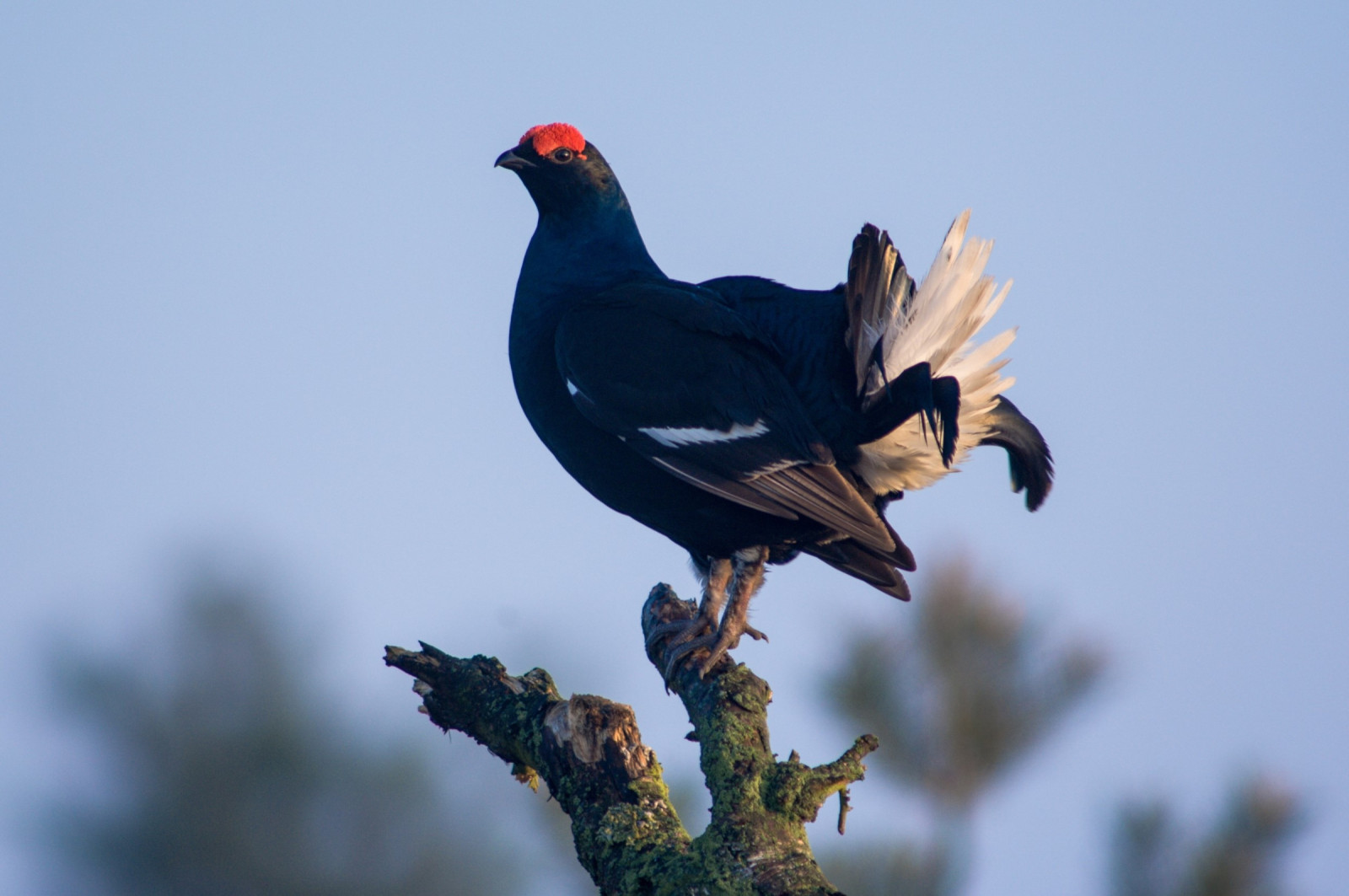
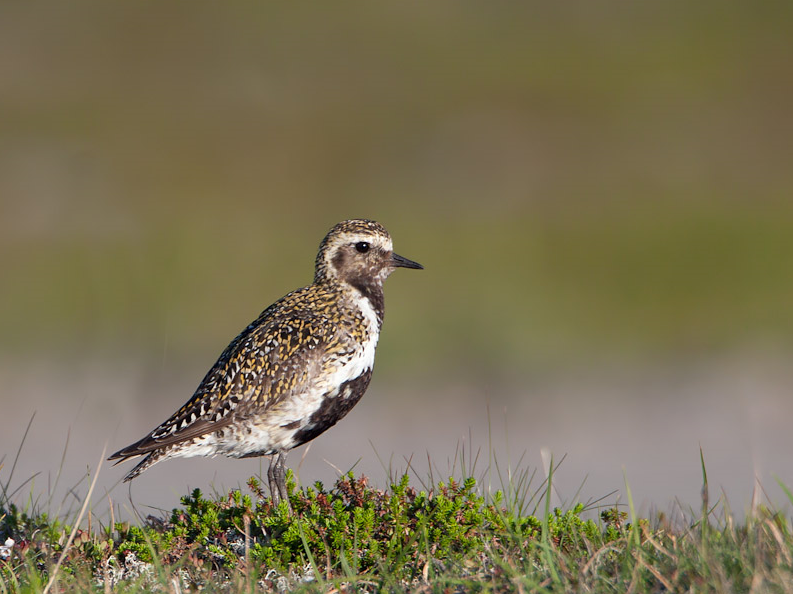
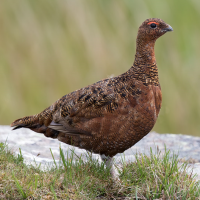
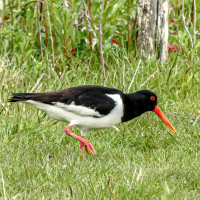
The area is an area of heather moorland with several reservoirs. Waskerley Way Railway Path (Walking and Cycling Route) gives excellent access along a disused railway. It changes seasonally and is very exposed and sometimes closed during winter snow storms. The moorlands of the North Pennines support a wide variety of birds such as the abundant Red Grouse, 80% of England's Nyírfajd and nationally important populations of Aranylile, Nagy póling, Réti fülesbagoly and Kis sólyom. Other breeding birds using the moors include Havasi partfutó, Piroslábú cankó, Csigaforgató and Réti pityer.
Details
Access
No bus service along this route. Access is by car, bike or walking. Directions are to Park Head From Stanhope follow B6278 Edmundbyers. Follow road for 2. 5 miles, turn right at sign for Parkhead, follow track for 200m. Railway Path is accessible from the left of car park. Hawkburn Head From A68 at Castleside, head towards Stanhope. Follow road for 6 miles. Site entrance is on the left. Sign posted Waskerley Station From A68 at Castleside, head towards Stanhope. Follow road for 5 miles . Site entrance is on the left. Signposted. Walk along railway path has several car parks on route.
Terrain and Habitat
Lake , Moors/heathlandConditions
Mountainous , Open landscape , HillyCircular trail
YesIs a telescope useful?
Can be usefulGood birding season
Spring , Autumn , SummerBest time to visit
Spring , Autumn , SummerRoute
Wide path , Narrow trail , Paved roadDifficulty walking trail
Average walkAccessible by
Foot , Bicycle , CarBirdwatching hide / platform
NoExtra info
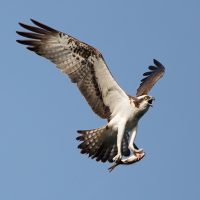
This area is set in heather moorland which is at its most stunning when the purple flowers carpet the ground between August and September. Wonderful views of Waskerley and Smiddy Shaw Reservoir which are visited by large numbers of wading birds. These include Nagy póling, billegetőcankó and Aranylile. On the heather moorland you can often see Kis sólyom, Vörös kánya, vörös vércse, Sarki hófajd and Nyírfajd. Halászsas can sometimes be spotted in spring.
 ) to insert bird names in your own language. The birdnames will automatically be translated for other users!