Description
Wetland habitat in a valley on the fringes of this historic town. This reserve is managed by the Wildfowl and Wetlands Trust founded by Sir Peter Scott. Upon entering there is a refreshment area that looks out on to water mainly frequented by geese.. Towards the right there is a notice board indicating birds that may be present.
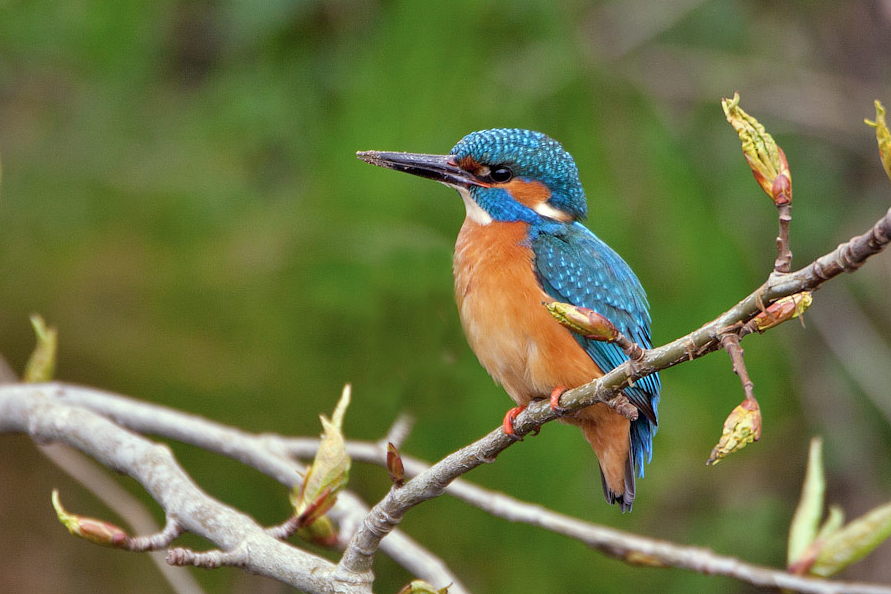
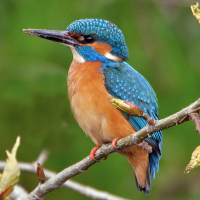
Let's take a circular tour by turning left from the visitor centre. After a few metres, by some distinctive buildings, it is possible to take an electric boat ride which bring you close to various ducks such as Tőkés réce, Kendermagos réce, Barátréce and Kontyos réce. I've also seen Jégmadár and cserregő nádiposzáta from the boat here. I find this a very relaxing experience. The boat is extra and must be booked at the visitor centre.
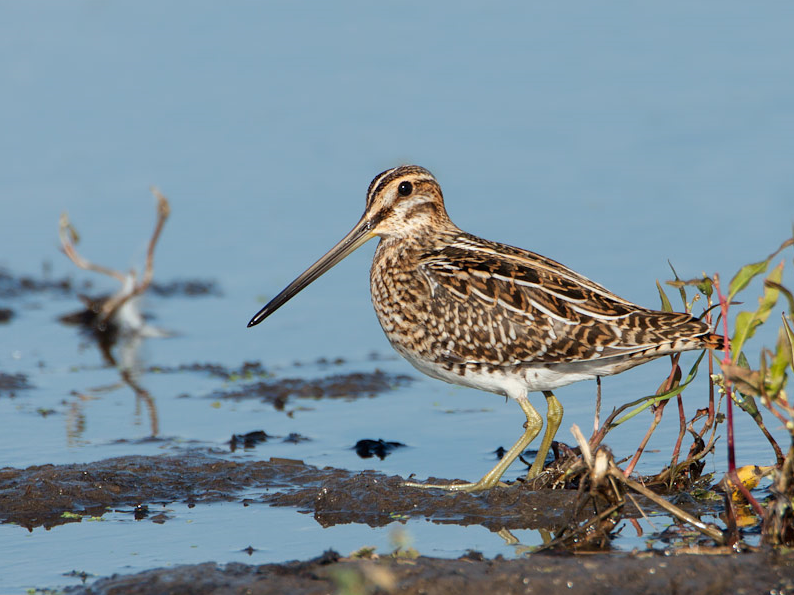
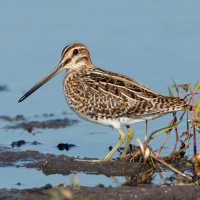
Leaving the boat turn left at the nearby footpath junction. Passing mainly captive birds and after a short while you will see the 'Ramsar' hide to the right. From here you will often see Nyári lúd, Csörgo réce, Bíbic and Tőkés réce but more importantly the sight of Jégmadár and Sárszalonka .
Contuning along the tarmac footpath and you will arrive at the 'Lapwing' hide. Yes, there are Bíbic here too as well as Nyári lúd and Kanalas réce.
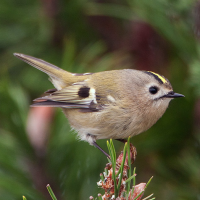
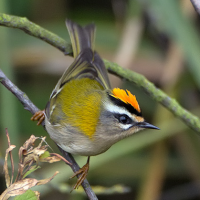
You now need to return to the junction near the boat rides, but this time turn left. Adjacent to here are areas with captive waterbirds which I won't cover here but may be of interest to some people. At this point you should keep your eye out for sárgafejű királyka and tüzesfejű királyka which are often seen flitting amongst the trees. Often seen around the trees to the left here, or around the garden. In the garden area I have also seen őszapó, fekete rigó and Hegyi fakusz and a Nádi sármány nearby.
Turning left here you can visit the 'Sand Martin' hide where it is possible to see hegyi billegető at the water's edge and species such as Bütykös ásólúd, Nyári lúd, Kanadai lúd, Tőkés réce and perhaps Kis kócsag or Kárókatona.
Turning back, you can then visit the Scrape Hide very nearby. But immediately before that there is a patch of grass and is a favoured spot for Guvat. In the hide itself, it is usually a good idea to look right to see if there is warbler in the bushes.
Exiting the hide, turn left along the long straight path. I find the next hide , the 'Reedbed' hide a quiet one, but you never know! At the very end of the path turn left, but before doing so, check the small trees for sárgafejű királyka and tüzesfejű királyka . Walk through the gates and you are in a zone mainly of captive birds but I have also seen the Guvat and Barna zsezse here.
Beyond here you can access the Woodland Hide using two different routes. There are bird feeders here which attract the usual suspects such as Kék cinege, Erdei szürkebegy and Vörösbegy but you might even see the Guvat or Karvaly here if you are lucky.
From here, follow the signs for the Reedbed Walk. I have seen a Barátposzáta in this area. This will bring you back out on the long straight path. You can then make your way back to the visitor centre by turning left. As you approach the centre, there is another 'captive' area which in 2020 will have an aviary and some pelicans.
Details
Access
By car, you need to aim for Arundel town centre where the reserve is signposted at the roundabout immediately north of the river. You need to go along Mill Lane which is a cul-de-sac and not a through road.
You need to pass the area on the left with a small lake as this is completely different from the reserve. A bit further on the right you will see the entrance and car park. Lat and long is 50.863710 -0.551904 and the post code BN18 9PB
All of the reserve is good for wheelchairs as paths are tarmac or boardwalk.
The nearest bus serves Arundel town centre a mile away. Route 9 to Littlehampton is every hour - check the Stagecoach website for times. The train station is further out - another half-mile.
Terrain and Habitat
Wetland , Scattered trees and bushes , ReedbedsConditions
Flat , No shadow , Open landscapeCircular trail
YesIs a telescope useful?
Can be usefulGood birding season
All year roundBest time to visit
Winter , SpringRoute
Wide pathDifficulty walking trail
EasyAccessible by
Foot , WheelchairBirdwatching hide / platform
YesExtra info
You can buy a hot meal here between 12 and 14.00 and the cafe is open until 17.00 (16.00 in winter). The reserve opens at 9.30 and closes at 17.30 (16.30 in winter).
 ) to insert bird names in your own language. The birdnames will automatically be translated for other users!