Description
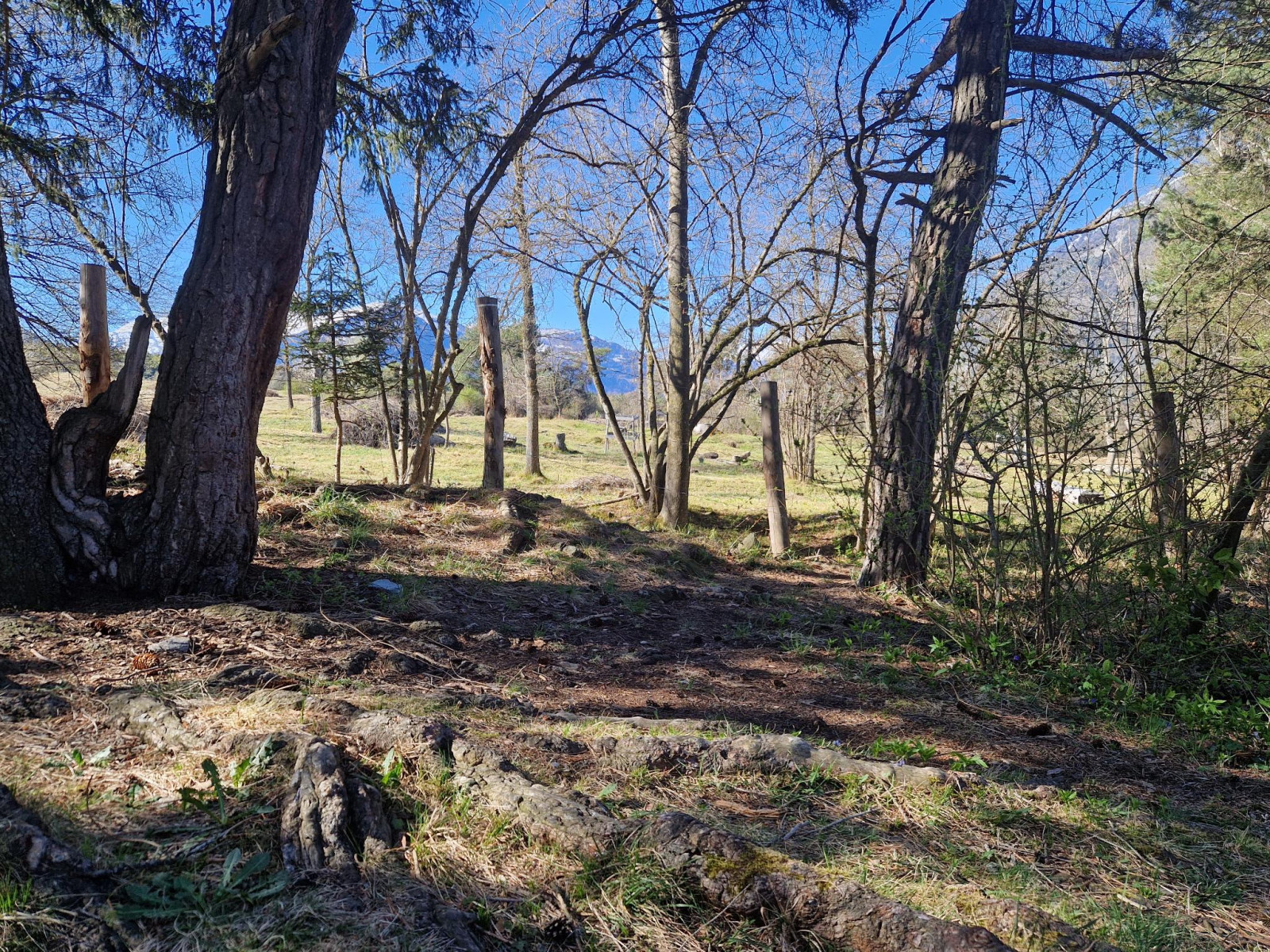
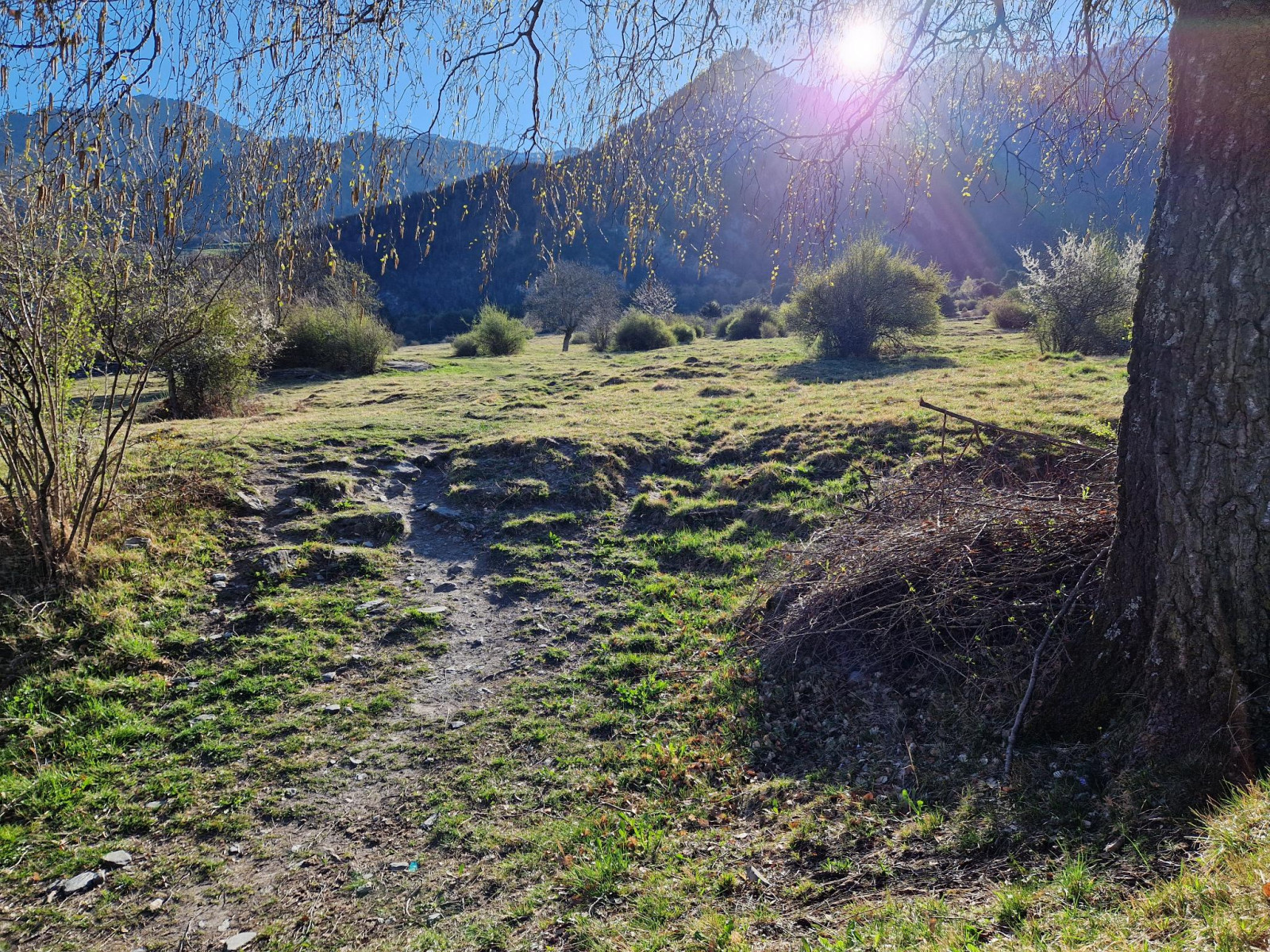
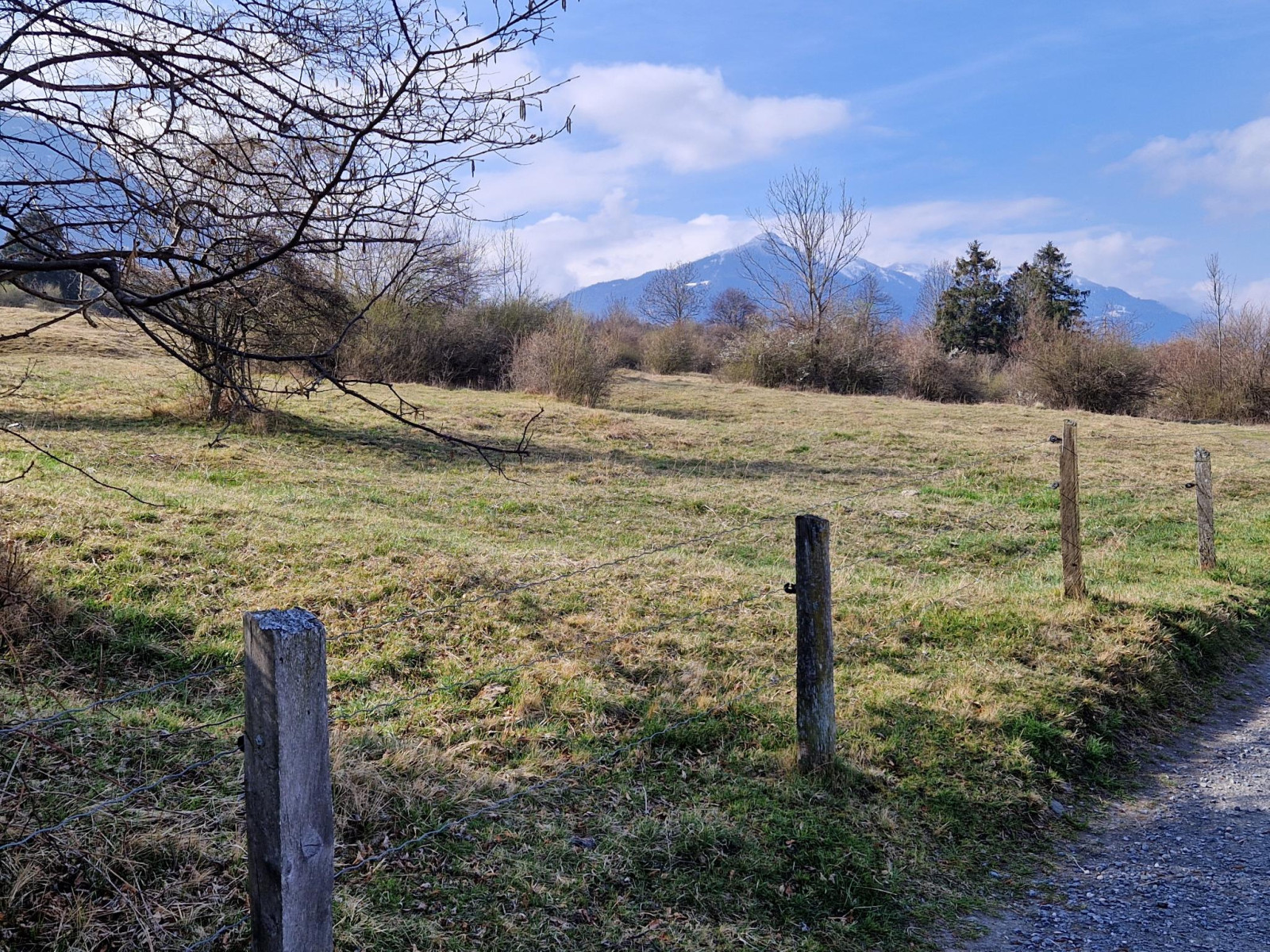
The Trimmis Allmend, also known as Witenen, consists of shrub-dotted dry grassland that grows in gently rising, characteristically furrowed terrain between the village edge and the Fürstenwald to the south and the Buochwald to the east. The meadows and shrubs grow on an alluvial fan at the foot of the Ful Berg / Gromser Chopf massif. This valuable natural area is managed extensively and laboriously maintained by the local Naturkundliche Vereinigung. In addition to 22 kilometers of hedgerows and 15 kilometers of dry stone walls on the community ground, the maintenance of the wooded pasture above the Witenen is especially noteworthy: open woodland is kept free of undergrowth and low vegetation by grazing or manual work. These ecological niches allow a rich flora and fauna to thrive, which is rare in the Chur Rhine Valley.
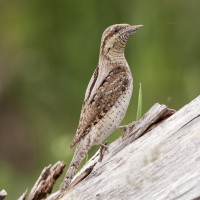
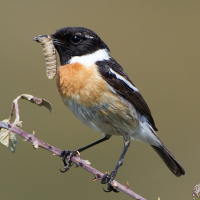
Compared to the species found further north in the vineyards of the Herrschaft region, the area around Trimmis is somewhat more “montane.” In the hedges, shrubs, and old fruit trees, common species like Glóbrystingur, Húsaskotta, Svartþröstur, and Grænspæta dominate. However, visits between mid-April and June will surely add some more sought-after species to the list: Hagaskvetta return first, followed by Garðaskotta and Gauktíta, with Þúfutittlingur resting. With luck, Næfurfinka may be spotted from mid-March—though they breed at higher altitudes, they seek refuge here when weather conditions up high become unfavorable. Later, Gaukur, Vallskvetta, Trjálævirki, and Netlusöngvari arrive, though likely just passing through.
Rare to occasional spring guests include Býsvelgur and Kvöldfálki, which stop by to profit from the rich supply of insects and small amphibians.
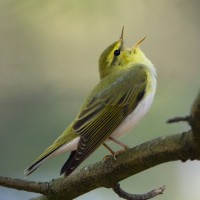
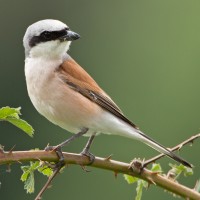
In summer, there's a chance to see Þyrnisöngvari with luck. A few pairs of Þyrnisvarri still breed here, the Grænsöngvari sings a bit higher up, and the Býþjór can sometimes be seen circling. Less common year-round birds include Álmtittlingur and Steintittlingur, though these are easier to observe in the Herrschaft region (see, for example, the entry “Maienfeld vineyards and orchards”).
In winter, as picturesque as it is, the Allmend is less interesting ornithologically. Still, Skógarþröstur and Grásvarri have been spotted several times.
Concerning rarities, there are five records of Spésöngvari, most recently in 2021. Sandtittlingur and Smyrill have been noted, Silkitoppa five times, with one sighting of Rósastari and two of Gráheiðir.
The suggested route leads via the Mittelweg (1), then along the Maschänser Rufi (2) to the Oberweg (3). The Allmend is also traversed between these paths, though this should be avoided during the breeding season. Beautiful observations are also possible below (Chüaweg) or in the pine forest (Föhrenwald).
Details
Access
The village can be reached from Chur by bus no. 3 (bus stop Trimmis, Witenen). It can also be reached by bike from Chur. There are parking lots both in the village, to the north of the suggested route, and to the south on Bluatmarchweg (click on P to get directions).
Terrain and Habitat
Forest , Scattered trees and bushes , Grassland , Mountain , AgricultureConditions
HillyCircular trail
YesIs a telescope useful?
Can be usefulGood birding season
Spring , Summer , AutumnBest time to visit
Spring migration , SummerRoute
Wide pathDifficulty walking trail
EasyAccessible by
Foot , BicycleBirdwatching hide / platform
NoExtra info
The Allmend is a popular recreation area, and on the trails and at picnic sites, you’ll encounter many groups of school and kindergarten children, dog owners, joggers, and cyclists. A visit during the week or early in the morning is worthwhile. However, it can still be chilly at that time: the area lies in the mountain’s shadow, and the sun only becomes visible about two hours after sunrise—then very harshly. Therefore, it is not suitable for photographers who love the "golden hour" light.
The Allmend is also bordered by other interesting areas: behind the national road are some beautiful spots along the Rhine, where Lindastelkur can be observed. At the upper edge of the area, in the forest, Gáshaukur, Stubbspæta, and, in summer, Laufglói can be found.
 ) to insert bird names in your own language. The birdnames will automatically be translated for other users!