Descrizione
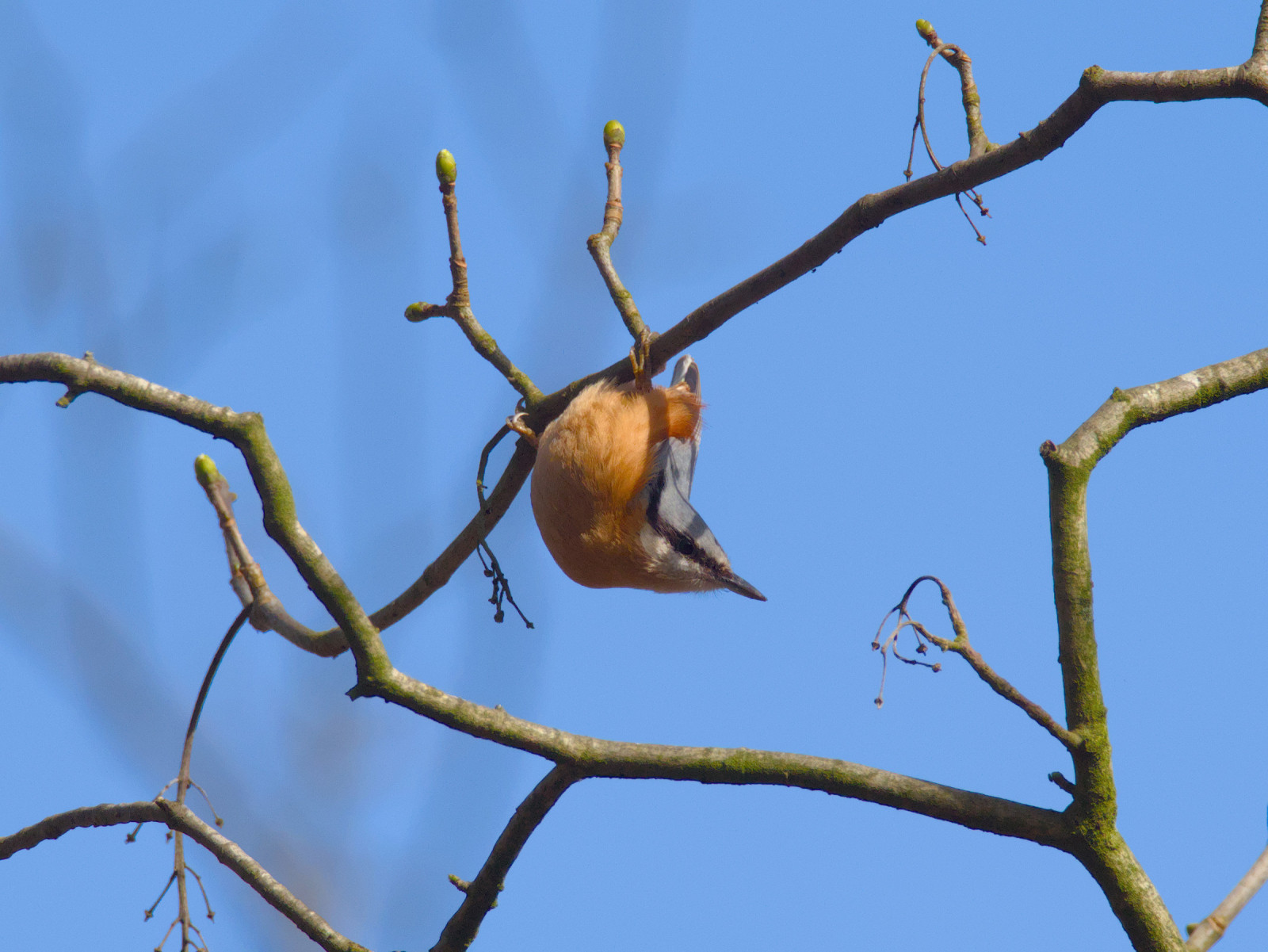
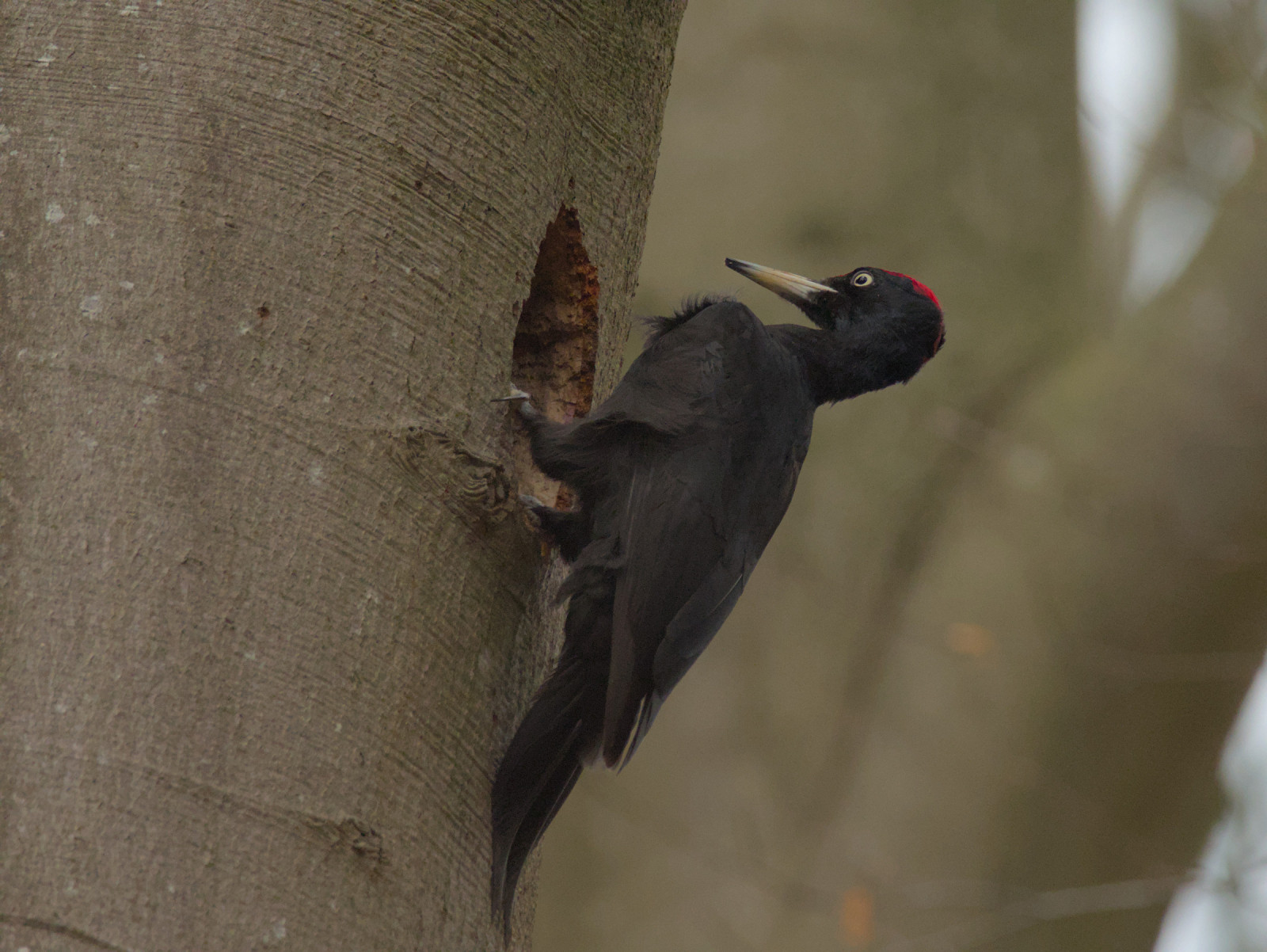
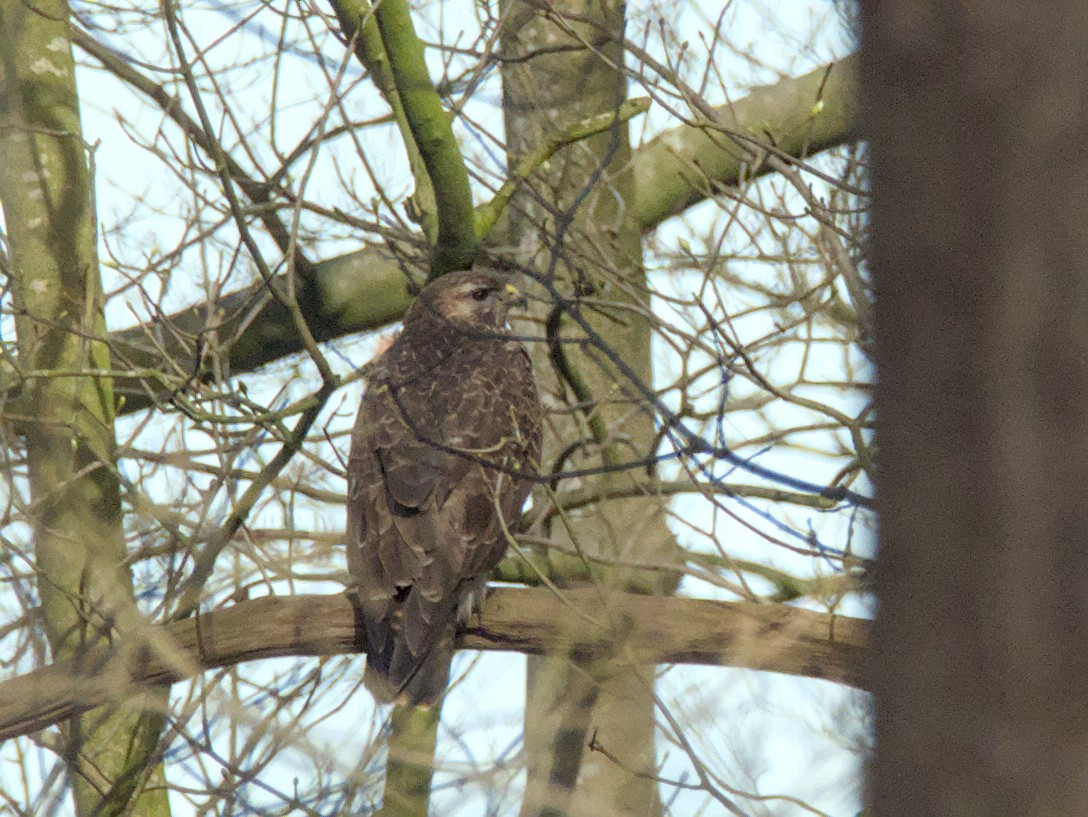
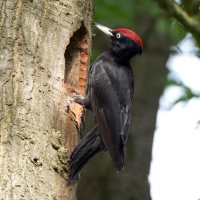
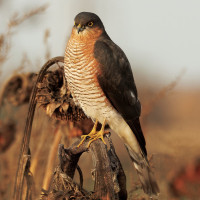
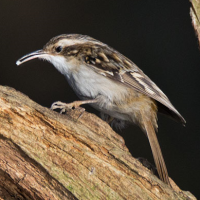
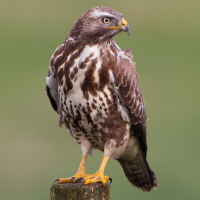
The Vrijbos forest consists of a publicly accessible domain forest and a fenced-off military domain. The domain forest itself comprises three separate forest areas: the Vrijbos (67 hectares), the adjacent Eenzaamheidsbos (14 hectares), and the remote Pottebos (30 hectares). Deciduous trees set the tone in the forest, some of which are as much as 100 years old. In addition to birds, you can also encounter roe deer and bats in the Vrijbos. Some specific forest species you can see in the Vrijbos include the Picchio muratore, Rampichino comune, Ghiandaia, Picchio verde, Picchio rosso maggiore, Picchio nero, Picchio rosso mezzano and Picchio rosso minore. Typical birds of prey are Lodolaio, Allocco, Sparviere, and Falco pecchiaiolo . The brightly yellow-colored Rigogolo and the Tortora selvatica are rare residents.
_________________________
Nederlands: Het Vrijbos is met zijn 350 hectare één van de grotere bossen in West-Vlaanderen. Het bos bestaat uit een publiekstoegankelijk domeinbos en een afgesloten militair domein. Het domeinbos zelf bestaat uit drie afzonderlijke bosgebieden: het Vrijbos (67 hectare), het aangrenzende Eenzaamheidsbos (14 hectare) en het afgelegen Pottebos (30 hectare). Loofbomen zetten de toon in het bos, waarvan sommigen wel 100 jaar oud zijn. Naast vogels kun je ook reeën en vleermuizen tegenkomen in het Vrijbos. 's Morgens heel vroeg of bij valavond gaan de reeën op pad. Ook vleermuizen worden actief als het donker is. In het bos jagen - onhoorbaar - de laatvlieger, grootoorvleermuis en rosse vleermuis. Deze vleermuizen verkiezen dreven, open plekken en dikke holle bomen.
Enkele specifieke bossoorten die je kunt zien in het Vrijbos zijn de Picchio muratore, Rampichino comune, Ghiandaia, Picchio verde, Picchio rosso maggiore, Picchio nero, Picchio rosso mezzano en Picchio rosso minore. Typische roofvogels zijn de Lodolaio, Allocco, Sparviere, en Falco pecchiaiolo. De felgeel gekleurde Rigogolo en de Tortora selvatica zijn zeldzame bewoners.
Dettagli
Accesso
The Vrijbos is located directly south of the town of Houthulst. Parking in the forest: Keunedreef Parking - entrance via Eugene Degrootelaan 37, Houthulst. Edge of the military cemetery: Poelkapellestraat, 8650 Houthulst. Press P on the map for directions to the parking lot. The circular walk indicated on the map is approximately 2.5 km.
_________________________
Nederlands: Het Vrijbos ligt direct ten zuiden van Houthulst. Parking in het bos: Parking Keunedreef - inrit via Eugene Degrootelaan 37, Houthulst. Rand van de militaire begraafplaats: Poelkapellestraat, 8650 Houthulst. Druk op P in de kaart voor een routebeschrijving naar de parkeerplaats. De rondwandeling die is aangegeven op de kaart is ongeveer 2,5 km.
 ) per inserire i nomi delle specie nella tua lingua. I nomi delle specie verranno automaticamente tradotti per gli altri utenti!