Descrizione
Lido des Aresquiers consists of a long 5 km straight stretch of sandy beach between brackish ponds and the Mediterranean Sea, partly covered with grasses and tamarisks. It is the first land seen by migrants from Africa in spring and the last land before crossing the Mediterranean in autumn. Both passages are worth a visit, although spring (mid April to mid May) is best. In autumn, the passage expands from late August to late October (avoid windy days).
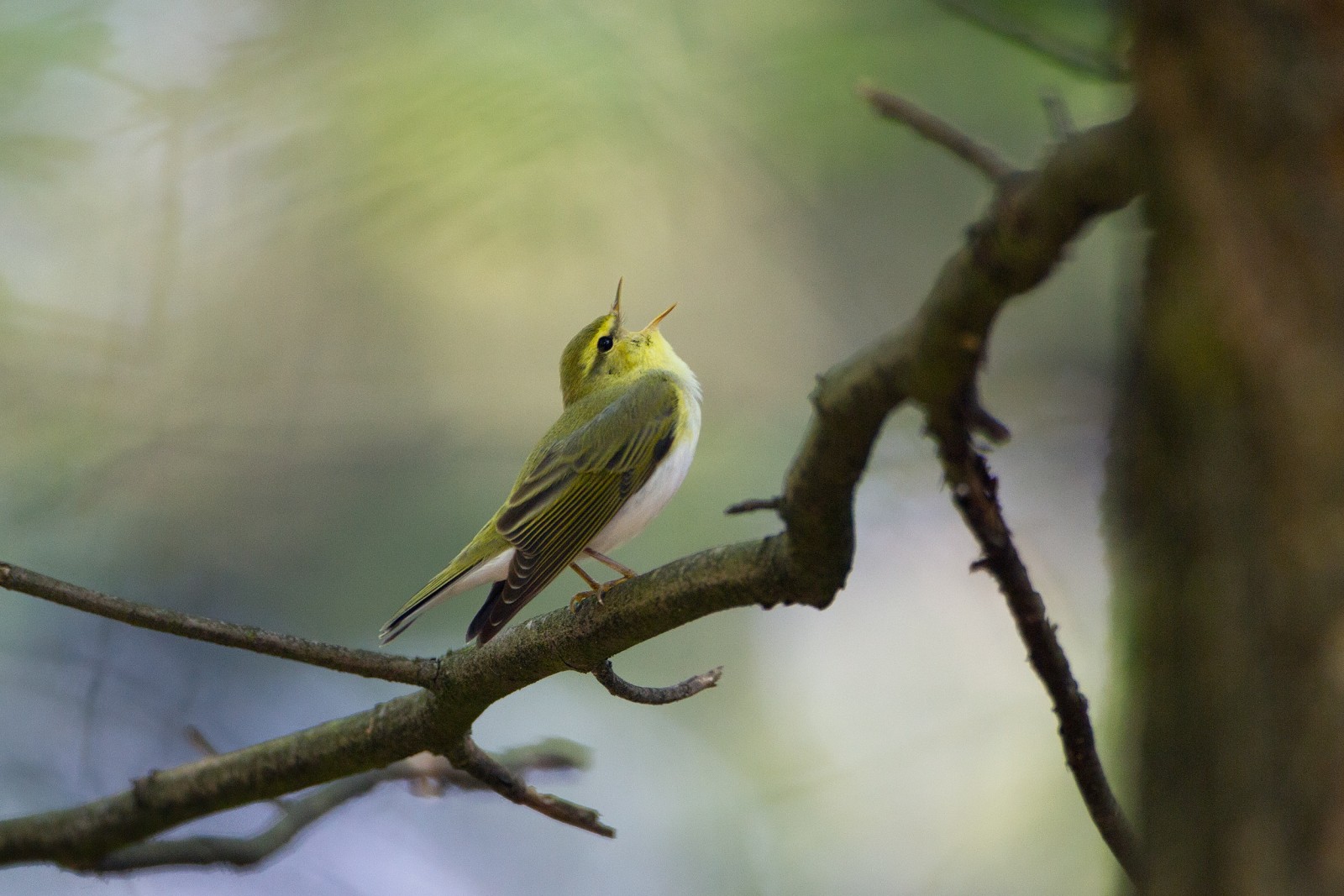
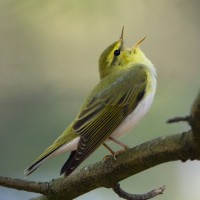
All insectivorous passerines can occur there, with good numbers of Luì piccolo, Luì grosso, all common warbler species, passages of swallows and swifts. Raptors (incl. Falco pecchiaiolo) not before early May. Lodolaio from mid April, Albanella minore and Falco pescatore. Common species that can be expected anytime between mid April and mid May include Codirosso, Sterpazzola, reed warblers, Balia nera and Pigliamosche. Uncommon migrants seen several times per season include Luì verde, Torcicollo and shrikes.
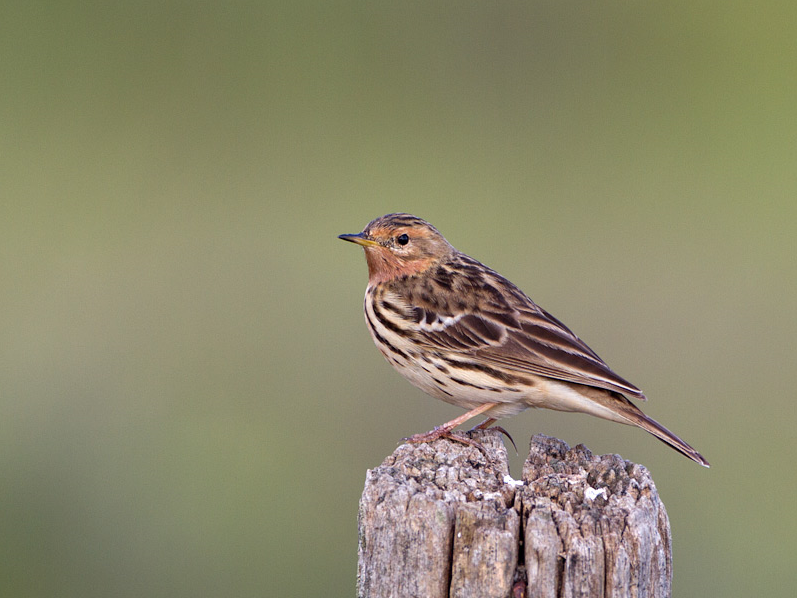
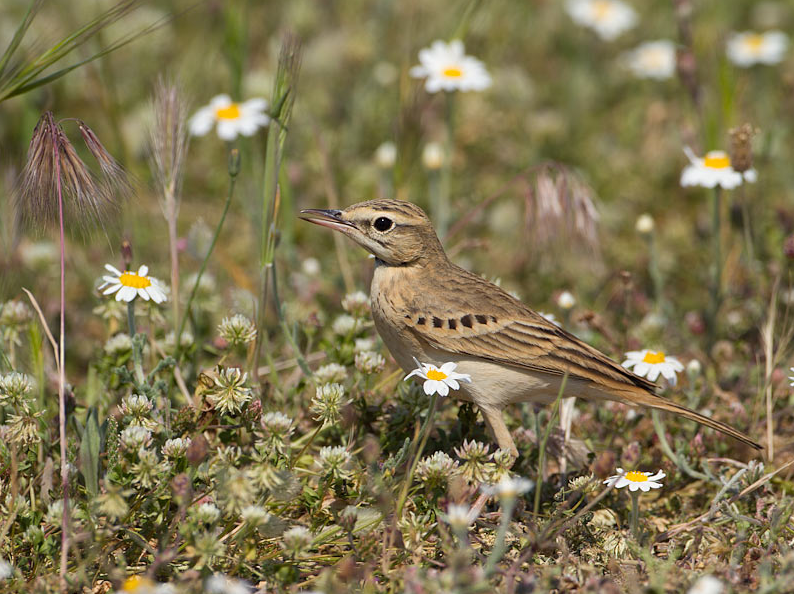
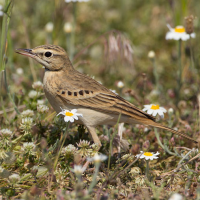
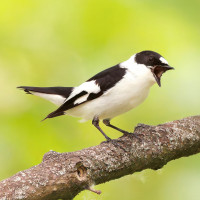
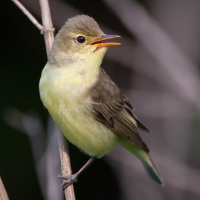
With light southerly winds and clear weather, there are good chances of a fallout including local rarities. In mid April, Sterpazzolina di Moltoni is uncommon but regular. Canapino maggiore (after mid-May), Pispola golarossa (April) and Ortolano are recorded every year. More irregularly, Falco cuculo or Falco della Regina, Albanella pallida, Luì siberiano (mostly in autumn ). Balia dal collare can be seen.
The site also has its share of megas, including Succiacapre collorosso, Magnanina di Tristram and Luì bianco orientale.
The ponds and marshes around can host small numbers of waders, gulls, terns and herons.
Dettagli
Accesso
Lido des Aresquiers is located 25 km south of Montpellier. The red marker on the map locates Mas d'Ingril, the westernmost site of interest. Expect a 40 minute drive from Montpellier. The site can also be reached safely by bike.
Mas d'Ingril is a former pasture now changed into a wasteland with tamarisk. It has one of the area's best rarities record. It won't take long before you know whether there has been a fall of migrants. However, a rarity can occur even in empty days, so take some time to circle around the pasture and check the ponds even if they do not look birdy. Also remind that this area can be empty while other places around are full of birds, and inversely.
The nearby parking lot itself is a good spot for passerines. Walk slowly eastwards, checking bushes on the way. You can move as far as you want, or drive east for a couple of km to the next parking lot, left just after the bridge over the canal. This will lead you to the Aresquiers beach. Walk along the bushes on the seashore, as far as you wish. A good plan is to walk east for a few km until a path that allows crossing the marshes to join the track along the canal and move back to the bridge. This can be done in 2-4h, depending on bird activity.
Terreno e habitat
Alberi e cespugli sparsi , Dune , Mare , VelmeCaratteristiche dell’area
Percorso ad anello
SiÈ utile un cannocchiale?
Può essere utileBuona stagione per il BW
Primavera , AutunnoMiglior periodo per visitare
Migrazione primaverile , Migrazione autunnalePercorso
Sentiero ampio , Sentiero stretto , Strada asfaltata , Strada sterrataGrado di difficoltà del percorso a piedi
Difficoltà mediaModalità di accesso
A piedi , BiciclettaCapanno/torretta di osservazione
NoInformazioni aggiuntive
Take mosquito repellent with you. In warm, sunny days, many people are heading to the beach, act discrete with your binoculars. At Mas d'Ingril, dogs sometimes wander freely and may be a nuisance.
 ) per inserire i nomi delle specie nella tua lingua. I nomi delle specie verranno automaticamente tradotti per gli altri utenti!