Descrizione
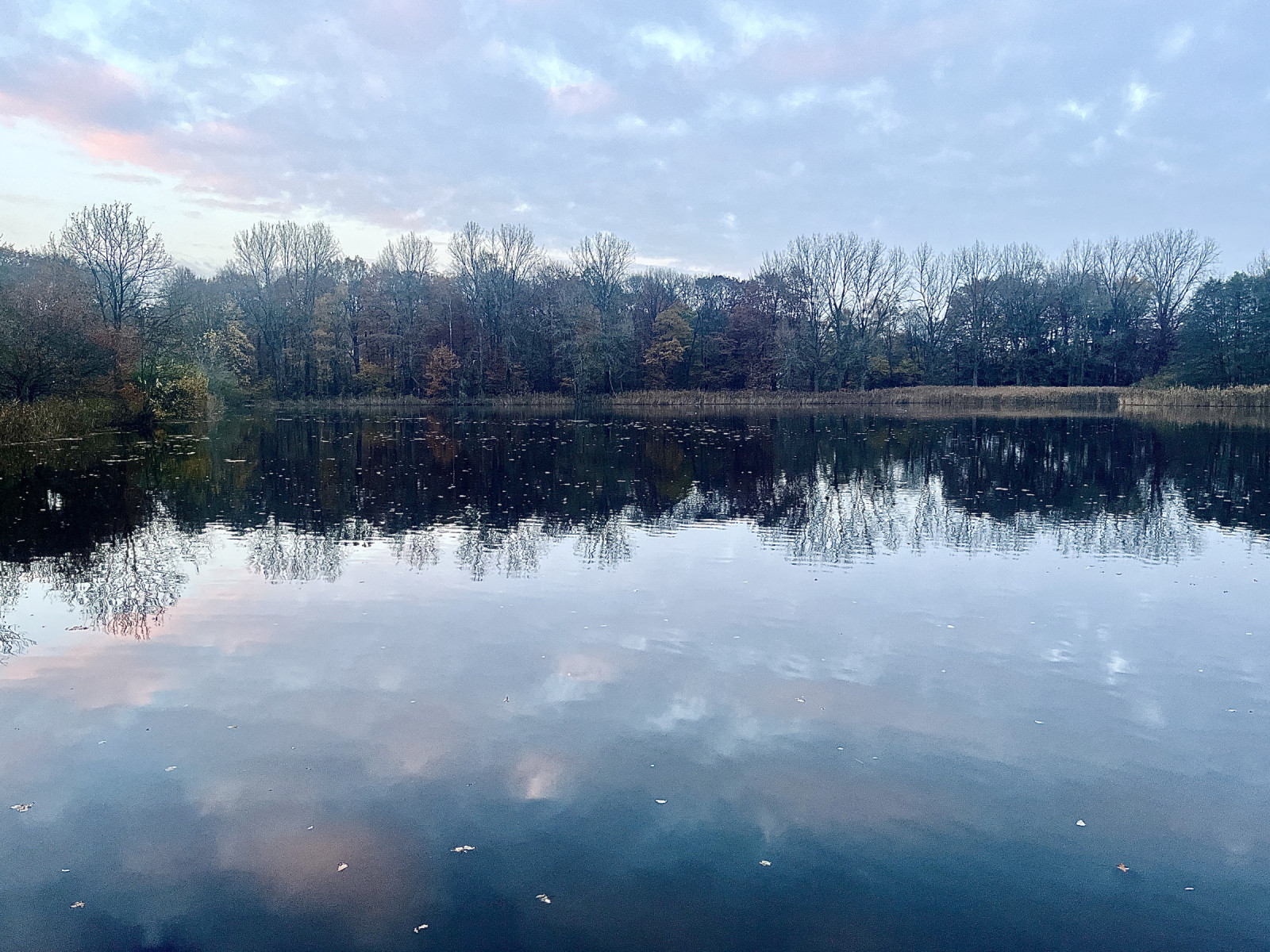
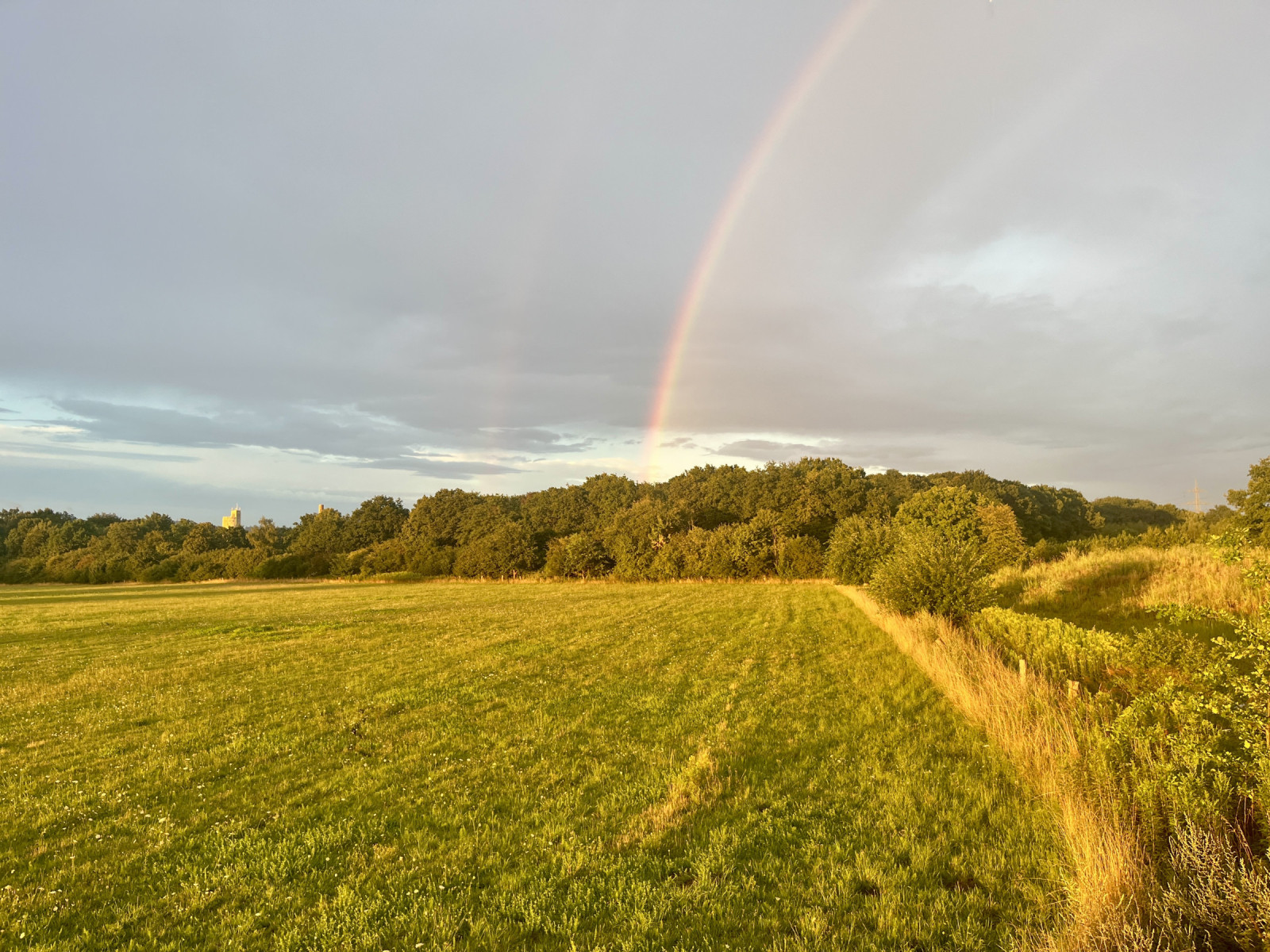
The NSG Rieselfelder Windel is a flat, open landscape where former sewage-irrigation fields have turned into a patchwork of wetland and farmland. Shallow ponds and reed-fringed basins alternate with wet grassland, ditches and open fields, so you can scan both water and open country in one visit. The open terrain offers long sightlines and makes it easy to pick out birds even at distance.
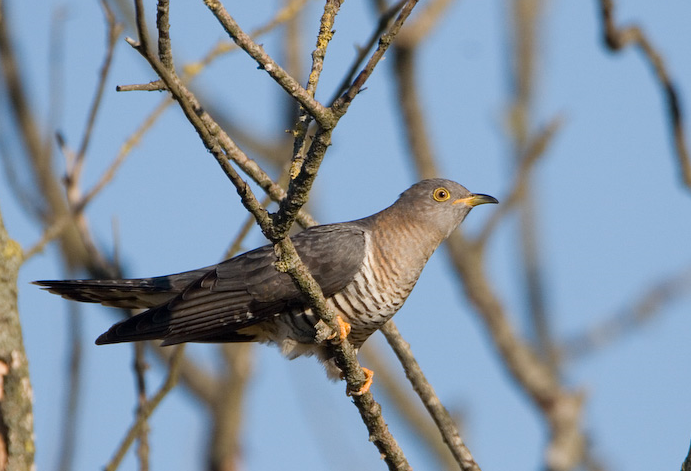
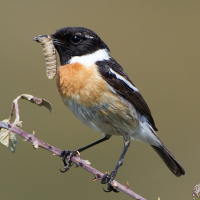
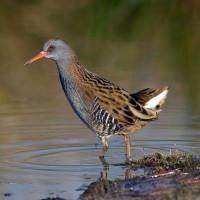
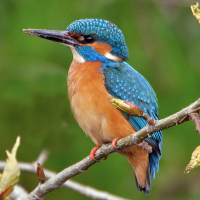
In spring, the ponds and muddy edges can hold waders, such as Corriere piccolo. Wetland birds like Porciglione and Martin pescatore are regularly observed, and the area also attracts raptors, including the occasional presence of Falco di palude. Breeding-season passerines include Culbianco, Beccafico and Saltimpalo, along with non-passerines like Cuculo.
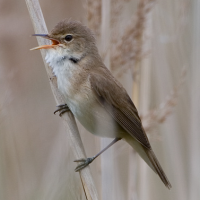
In summer, the site remains rewarding: the ponds host ducks such as Germano reale, Moretta and Canapiglia, while reedbeds continue to hold singing Cannaiola and Cannaiola verdognola. Open-country species like Pavoncella, Rondine and Balestruccio are often present, and hunting raptors such as Gheppio and, with some luck, Lodolaio can appear over the fields.
During autumn migration, the mix of water and open farmland really shows its strength. Expect increasing numbers of ducks (e.g. Canapiglia, Alzavola, Mestolone, and occasionally Fischione) as well as reedbed species such as Porciglione. Passerine migration can bring gatherings of finches like Cardellino. Large movements are possible too, with Gru sometimes observed in the area. Raptors are a constant highlight, with regular Poiana and occasional scarcer birds such as Sparviere.
In winter, the ponds concentrate waterbirds: flocks of Alzavola and Germano reale are typical, with Smergo maggiore also recorded and Cormorano as a quite stable presence. Reed edges and wet vegetation can hide Frullino and Beccaccia, alongside Beccaccino. The surrounding trees and hedges can hold winter finches such as Peppola, Ciuffolotto and even Frosone, as well as winter visitors like Tordo sassello. A particularly nice winter specialty that is sometimes - although rarely - observed, then, is Basettino.
What makes this site special is how easy it is to combine wetland birding with classic open-country scanning in a compact area close to Bielefeld. A network of paths and viewpoints lets you explore quietly: spend time scanning the ponds and reed margins for rails and snipe, then walk the field edges for chats, pipits and hunting raptors.
Dettagli
Accesso
The NSG Rieselfelder Windel is located in the southern part of Bielefeld, in the Windelsbleiche / Senne area, about 10 km from the city centre and surrounded by agricultural land.
The reserve can be reached easily by car via the A33 motorway (exit Bielefeld-Senne or Schloß Holte-Stukenbrock), followed by a short drive on local roads toward Windelsbleiche and Niederheide. Small parking possibilities are available at the Biological Station Gütersloh/Bielefeld, located in the area, and in some other spots. Click on the P in the map for directions.
Public transport is possible from Bielefeld with bus connections toward Windelsbleiche or Senne, followed by a short walk or bicycle ride to the reserve. The nearest bus stops are indicated in the map.
The best way to explore the area is on foot or by bicycle. There are several good viewpoints along the water basins and field edge, as well as some observation towers and hides, also shown on the map.
Terreno e habitat
Zona umida , Canneti , Alberi e cespugli sparsi , Prateria/pascolo , Pianura , Stagno , Terreni coltivatiCaratteristiche dell’area
Terreno piano , Sabbioso , Paludoso , Paesaggio apertoPercorso ad anello
NoÈ utile un cannocchiale?
Può essere utileBuona stagione per il BW
Tutto l'annoMiglior periodo per visitare
Migrazione primaverile , Migrazione autunnalePercorso
Strada asfaltata , Sentiero ampio , Strada sterrataGrado di difficoltà del percorso a piedi
FacileModalità di accesso
A piedi , BiciclettaCapanno/torretta di osservazione
SiInformazioni aggiuntive
The reserve also hosts the headquarters of the Biological Station Gütersloh/Bielefeld, located in a former farm building. The station manages and monitors several protected areas in the region, including the Rieselfelder Windel, and occasionally offers environmental education activities. Below is the link to the website of the Biological Station.
 ) per inserire i nomi delle specie nella tua lingua. I nomi delle specie verranno automaticamente tradotti per gli altri utenti!