Descrizione
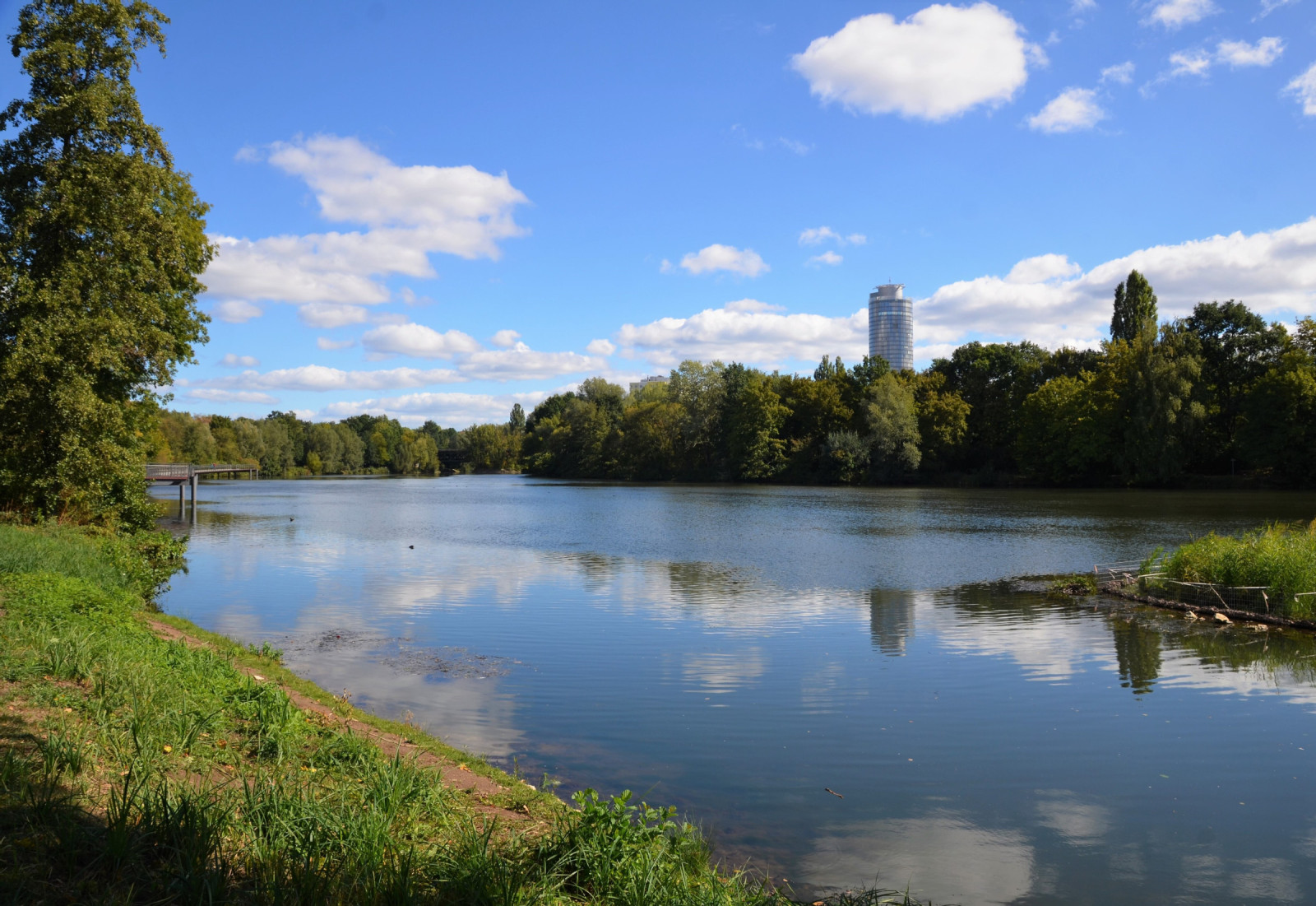
Wöhrder See is an artificial lake in the heart of Nuremberg, formed from the Pegnitz River. It is divided into two main sections - Upper and Lower Wöhrder See - each offering different habitats and birdwatching opportunities. Despite its urban location, the lake and its surroundings support a wide variety of birds throughout the year.
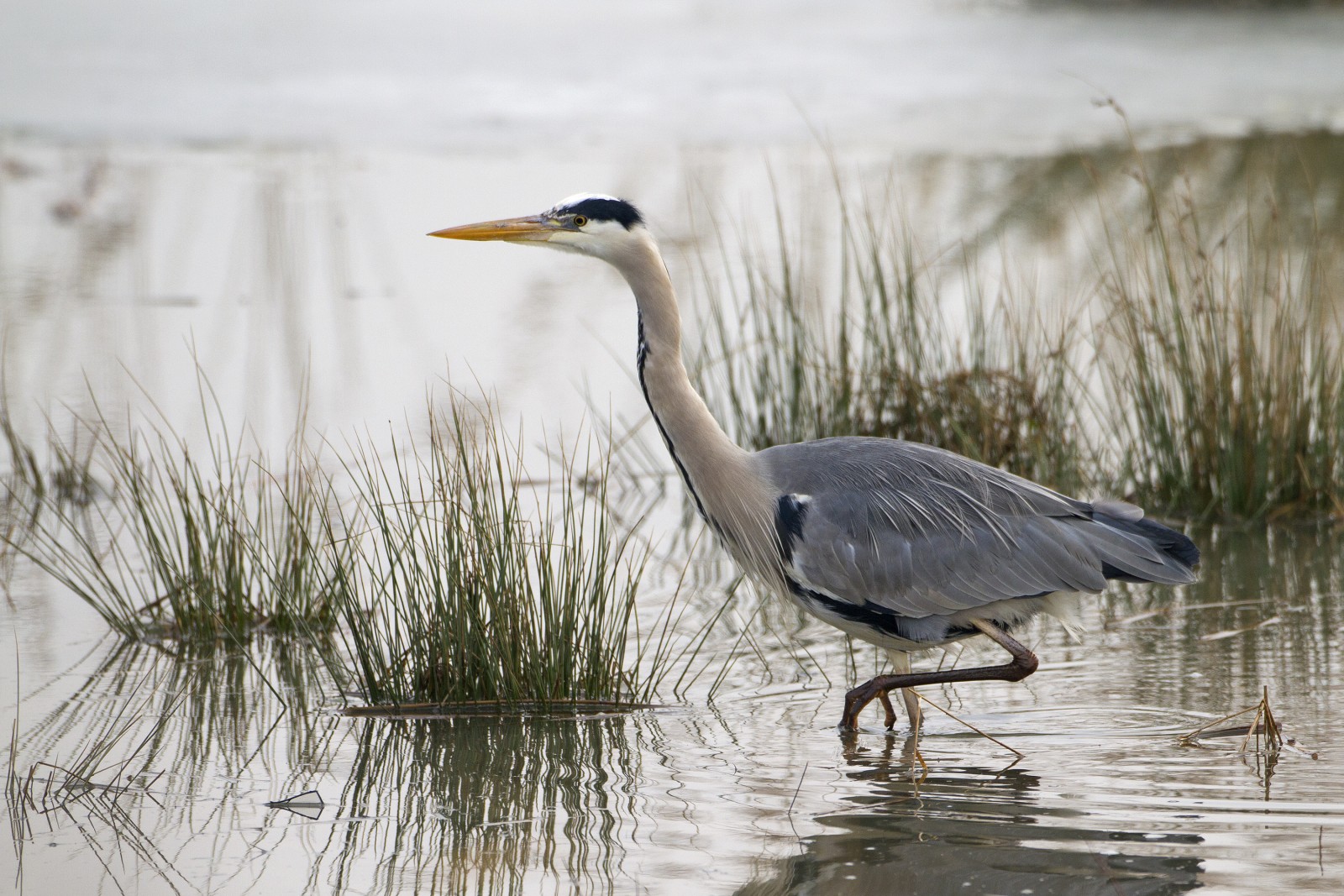
The Upper Wöhrder See (Oberer Wöhrder See) is the eastern section of the lake and has undergone ecological restoration and now features shallow water zones, reed beds, gravel islands, and naturalized shorelines. It is more tranquil and less frequented by visitors, making it ideal for wildlife. It is a hotspot for waterbirds, including Svasso maggiore, Tuffetto, different type of ducks, and Airone cenerino.
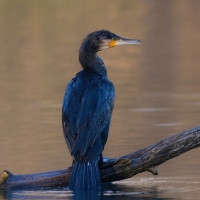
One attraction is the Airone cenerino and Cormorano colony on an island in the Pegnitz River in the upper Wöhder Lake. During the breeding season, it is a noisy spectacle.
The reed areas support Cannaiola, Gallinella d'acqua, and occasionally Porciglione. Migrating ducks and waders use the shallow zones as stopover sites. Several paths and footbridges offer good views without disturbing the birds. Early morning and late afternoon are the best times for birdwatching.
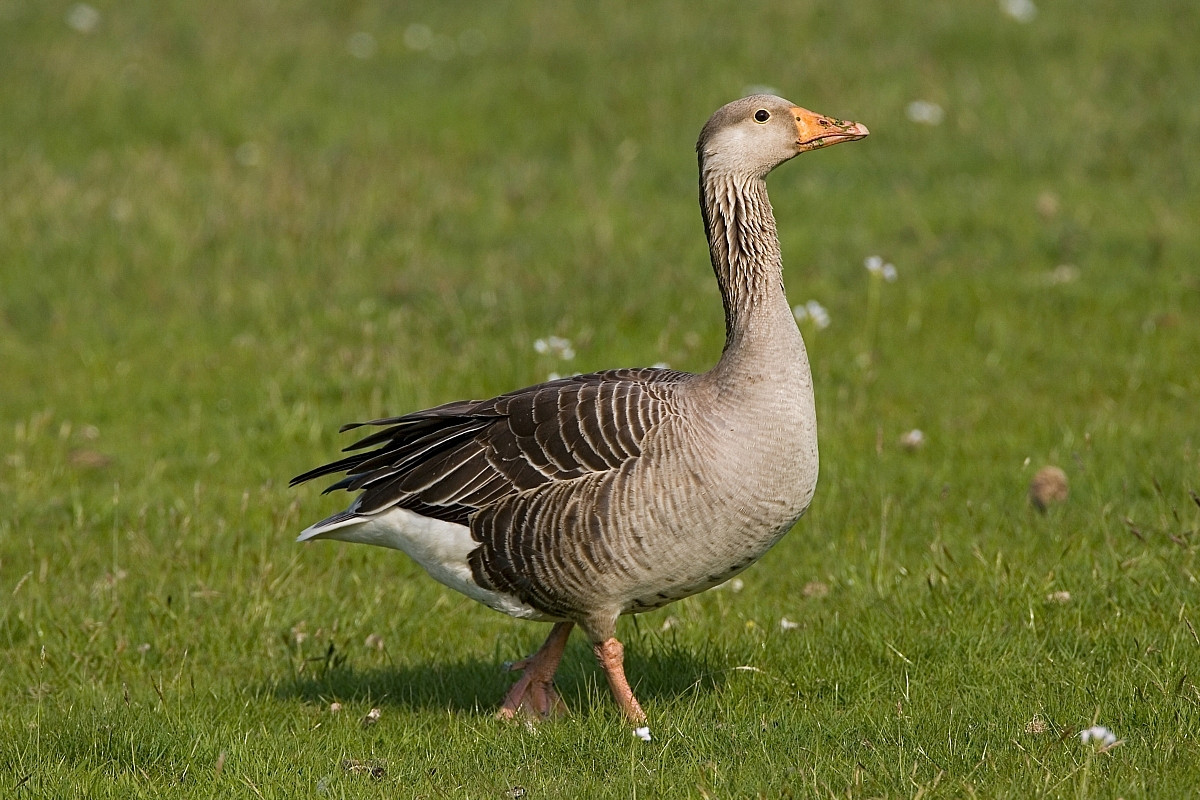
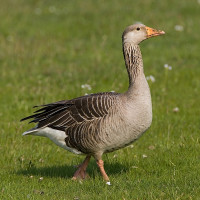
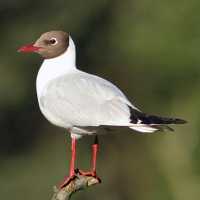
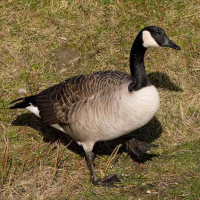
Lower Wöhrder See (Unterer Wöhrder See) is located closer to the city center. This section is deeper and more urban in character, with promenades, lawns, and fewer natural features. Common urban-adapted species such as Oca canadese, Oca selvatica, Cigno reale, Germano reale, Gabbiano comune, and Cormorano are regularly seen. Some swifts, sparrows, and tits use the surrounding trees and buildings. Birdwatching is possible while walking along the lakeside paths, though the bird diversity is lower compared to the upper lake.
Wöhrder See occasionally attracts unusual or regionally rare species, especially during migration seasons. Notable records include: Fistione turco, Mestolone, Falco pescatore (during spring/fall migration), Mignattino comune, Marzaiola, Smergo maggiore and Pesciaiola (in winter). The reed zones and islands in the upper lake are particularly important for attracting these species when conditions are right.
Dettagli
Accesso
Wöhrder See is centrally located in Nuremberg and accessible via the main city roads. Parking is vailable at nearby locations such as Parkhaus Wöhrder See, Klinikum Nord, or along Wassertorstraße (Click on P on the map for directions). Parking can be limited on weekends or during events.
Excellent access via Nuremberg’s bike path network. Cycle paths run along both shores of the lake and connect to the Pegnitz riverside route. Bike racks are available at key entry points.
By Public Transport: U-Bahn (Subway): Lines U2 and U3, stop at Wöhrder Wiese or Rathenauplatz. (These and many more train stations can easily be found at the blue train symbols on the map.) Tram/Bus: Several lines serve the area, with stops within walking distance of the lake. From the stations, the lake is accessible within a few minutes on foot.
The loop around both lakes on the map is roughly 6.5 km long.
Terreno e habitat
Lago , Canneti , Alberi e cespugli sparsi , ParcoCaratteristiche dell’area
Terreno pianoPercorso ad anello
SiÈ utile un cannocchiale?
Può essere utileBuona stagione per il BW
Tutto l'annoMiglior periodo per visitare
Migrazione autunnalePercorso
Sentiero ampio , Sentiero strettoGrado di difficoltà del percorso a piedi
FacileModalità di accesso
A piedi , Bicicletta , Sedia a rotelleCapanno/torretta di osservazione
NoInformazioni aggiuntive
Wöhrder See was created in the 1970s as part of a flood control project and has since evolved into a multifunctional urban space. The “Wasserwelt Wöhrder See” project has significantly improved the ecological quality of the upper lake, introducing natural shorelines, shallow zones, and habitat islands.
The lake is a key part of Nuremberg’s “Green Ring”. This is a network of parks and natural areas encircling the city. It serves both as a recreational area and as an urban biodiversity hotspot. Information panels along the trails provide insights into local flora and fauna, making it a valuable site for environmental education.
Despite its urban setting, Wöhrder See demonstrates how nature conservation and recreation can coexist, offering both a refuge for birds and a green escape for city residents.
Link
- Bird list on eBird for Oberer Wöhrder See, Nürnberg
- Bird list on eBird for Unterer Wöhrder See, Nürnberg
- Wasserwelt Wöhrder See Nürnberg
 ) per inserire i nomi delle specie nella tua lingua. I nomi delle specie verranno automaticamente tradotti per gli altri utenti!