Descrizione
The Puketutu causeway connects small Puketutu Island to the mainland in the Manukau Harbour, with Ambury Bay on one side and the Puketutu Canal running alongside. This is one of Auckland's best sites for rare waders and large numbers of waterbirds.
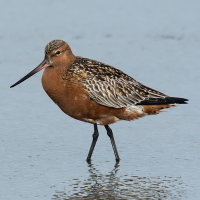
The key attraction is Traffic Lights Bay (1), named for the traffic lights right at the start of the causeway. This is one of the highest points of the bay and so water first retreats here after high tide, drawing in hungry waders before mostly anywhere else. So timing your visit around the falling tide is essential. You can get really close looks (though a scope is recommended) and this is where rarer waders are often found first such as Sharp-tailed Sandpiper besides all the regulars such as South Island Oystercatcher, Bar-tailed Godwit, and Wrybill.
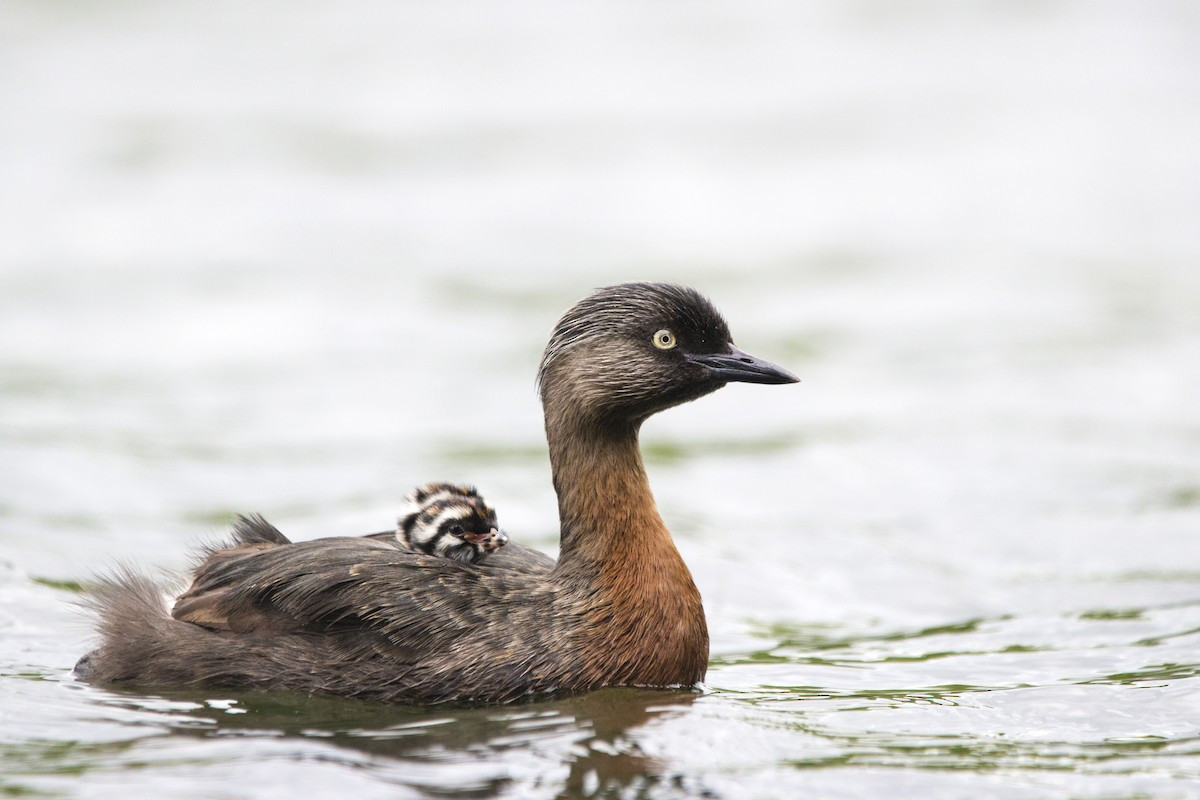
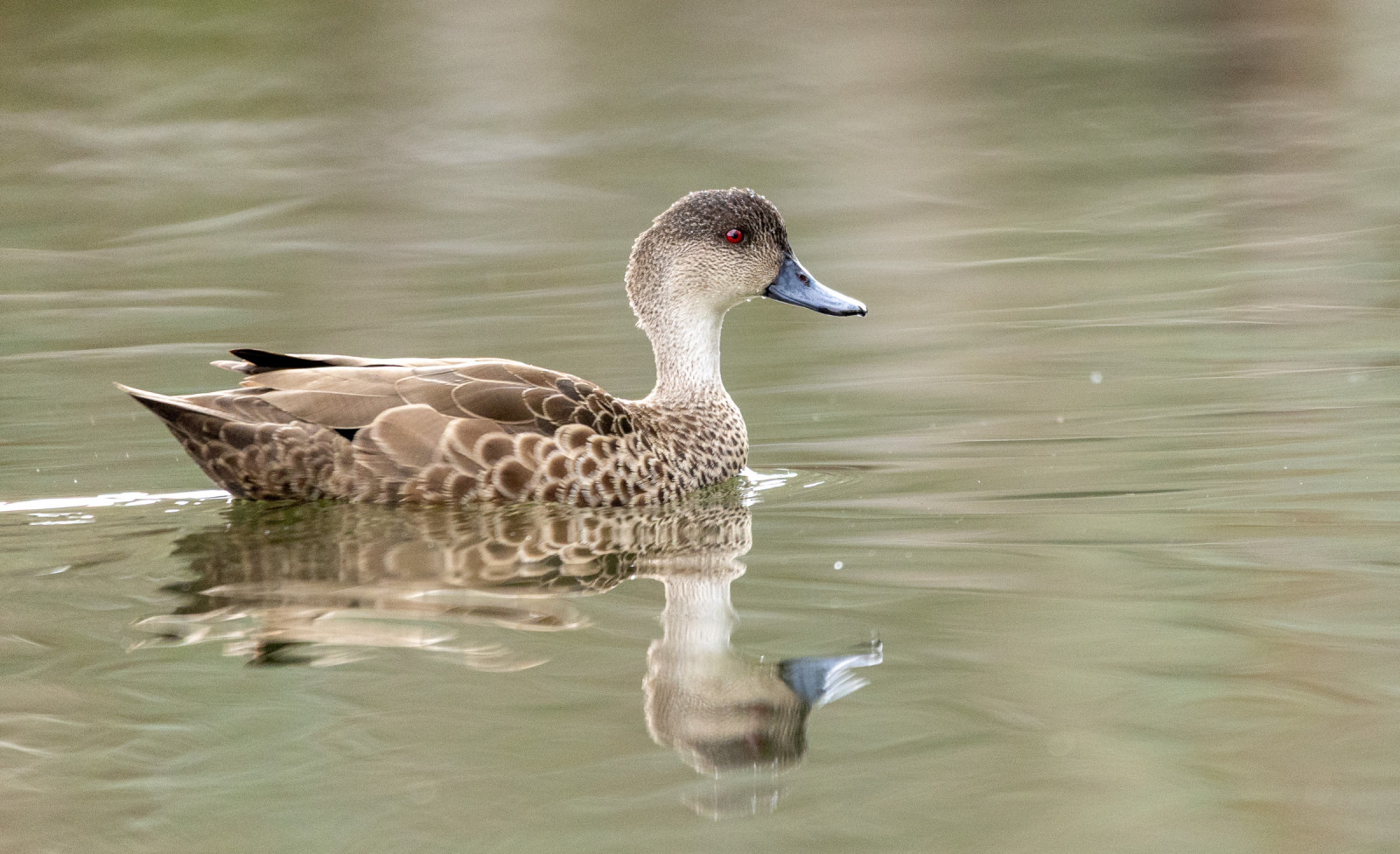
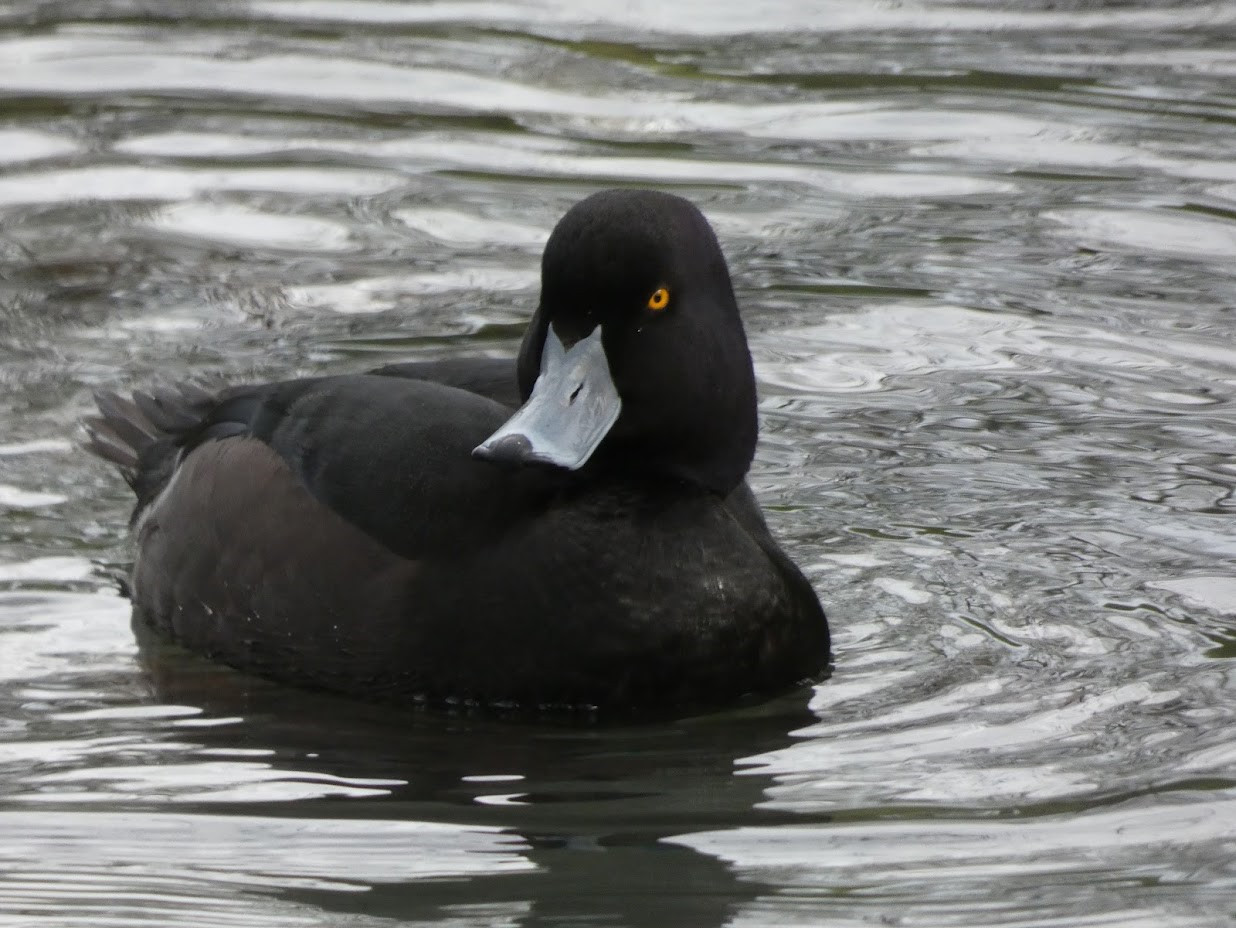
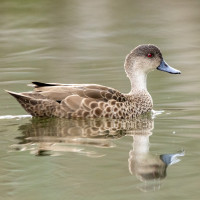
The Puketutu Canal holds large numbers of ducks such as Grey Teal, geese, Black Swan, and New Zealand Dabchick year-round. From Island Road on one side and the Ihumatao Walkway on the other, you can travel along the canal (2) and also scan the mudflats on either side. At the end of the canal, a large holding pond (3) and wetland area (4, disused storage basin) attract also heaps of waterfowl, plus often large numbers of shags ( Little Pied Cormorant, Pied Cormorant, Little Black Cormorant) , gulls (including Black-billed Gull), and sometimes hundreds of Welcome Swallow. In the past, Black-fronted Dotterel have been hanging around the canal.
Dettagli
Accesso
Puketutu Causeway is located in the Māngere suburb, approximately 30 minutes from Auckland CBD, behind the water treatment plant. You can walk there from Ambury Park, but access by public transport is otherwise limited as it requires a lengthy walk through an industrial area. Most birders access the site by car.
The area is mostly explored by car, but you can walk or cycle along the canal on the Ihumātao Walkway as well. Many birders drive and make stops at Traffic Lights Bay, then along the canal following the tide, and finally at the pond at the end. There is parking available at the start and end, and ample space along the road.
For wader viewing at Traffic Lights Bay, time your visit for the hours just after high tide.
Terreno e habitat
Zona umida , Velme , StagnoCaratteristiche dell’area
Non ombreggiato , Terreno pianoPercorso ad anello
NoÈ utile un cannocchiale?
Può essere utileBuona stagione per il BW
Tutto l'annoMiglior periodo per visitare
Inverno , Estate , Autunno , PrimaveraPercorso
Strada asfaltata , Sentiero ampioGrado di difficoltà del percorso a piedi
FacileModalità di accesso
A piedi , Bicicletta , Macchina , Sedia a rotelleCapanno/torretta di osservazione
NoLink
- eBird Hotspot Māngere Traffic Lights Bay
- eBird Hotspot Māngere WTP Mudflats
- eBird Hotspot Māngere WTP Puketutu Canal
- eBird Hotspot Māngere WTP Disused Storage Basin
- eBird Hotspot Māngere WTP Holding Pond
- Tide table
 ) per inserire i nomi delle specie nella tua lingua. I nomi delle specie verranno automaticamente tradotti per gli altri utenti!