Descrizione
Lasy Radłowskie Reserve is mainly composed of oak- and pine-dominated forests, with areas containing birch, hornbeam, alder, willow and lime tree. Both older and younger parts make a diverse environment for animals and plants. With a mosaic of man-made water reservoirs and fishponds it is also full of water-dependant organisms, especially birds, both local and migratory.
What's important, a lot of fauna can be observed from the main trail that connects Wierzchosławice and Waryś, so it doesn't require a lot of exploring.
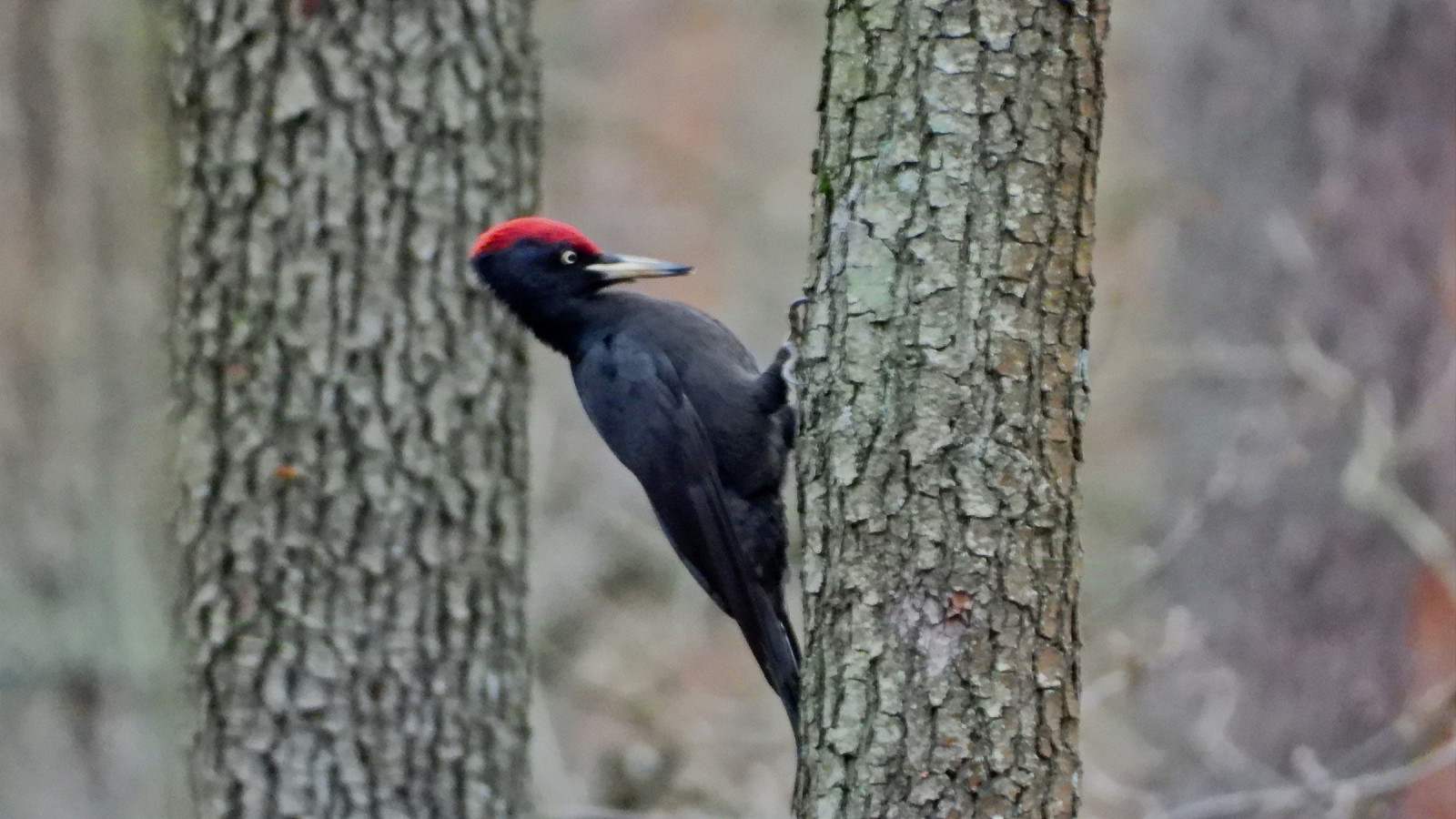
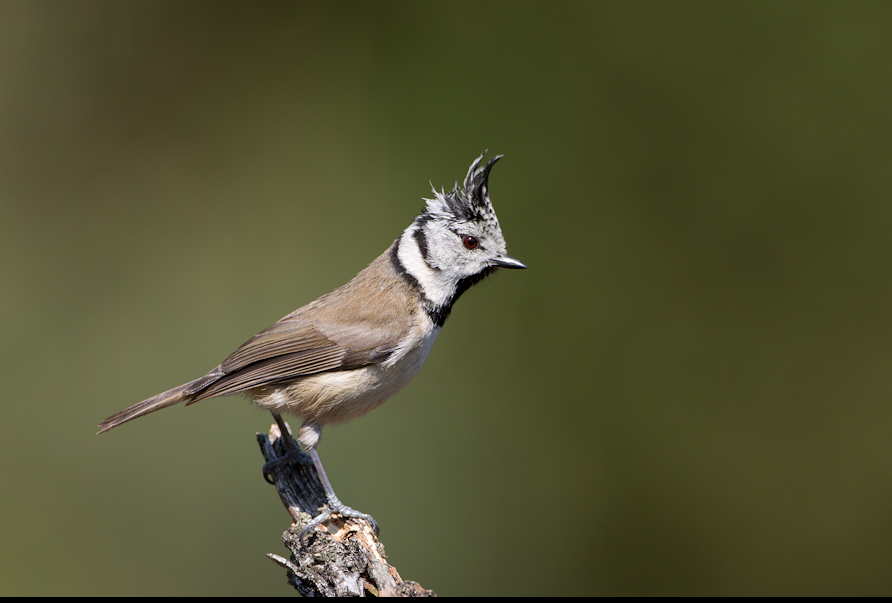
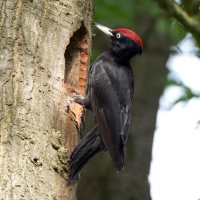
There are plenty of common forest bird species, all native tit and chickadee species, especially Cincia dal ciuffo, which can be found in pine-dominated areas, as well as many species of woodpeckers, like Picchio cenerino, Picchio rosso mezzano and Picchio nero, which all often can be seen from the main trail, especially near the parking place in Wierzchosławice.
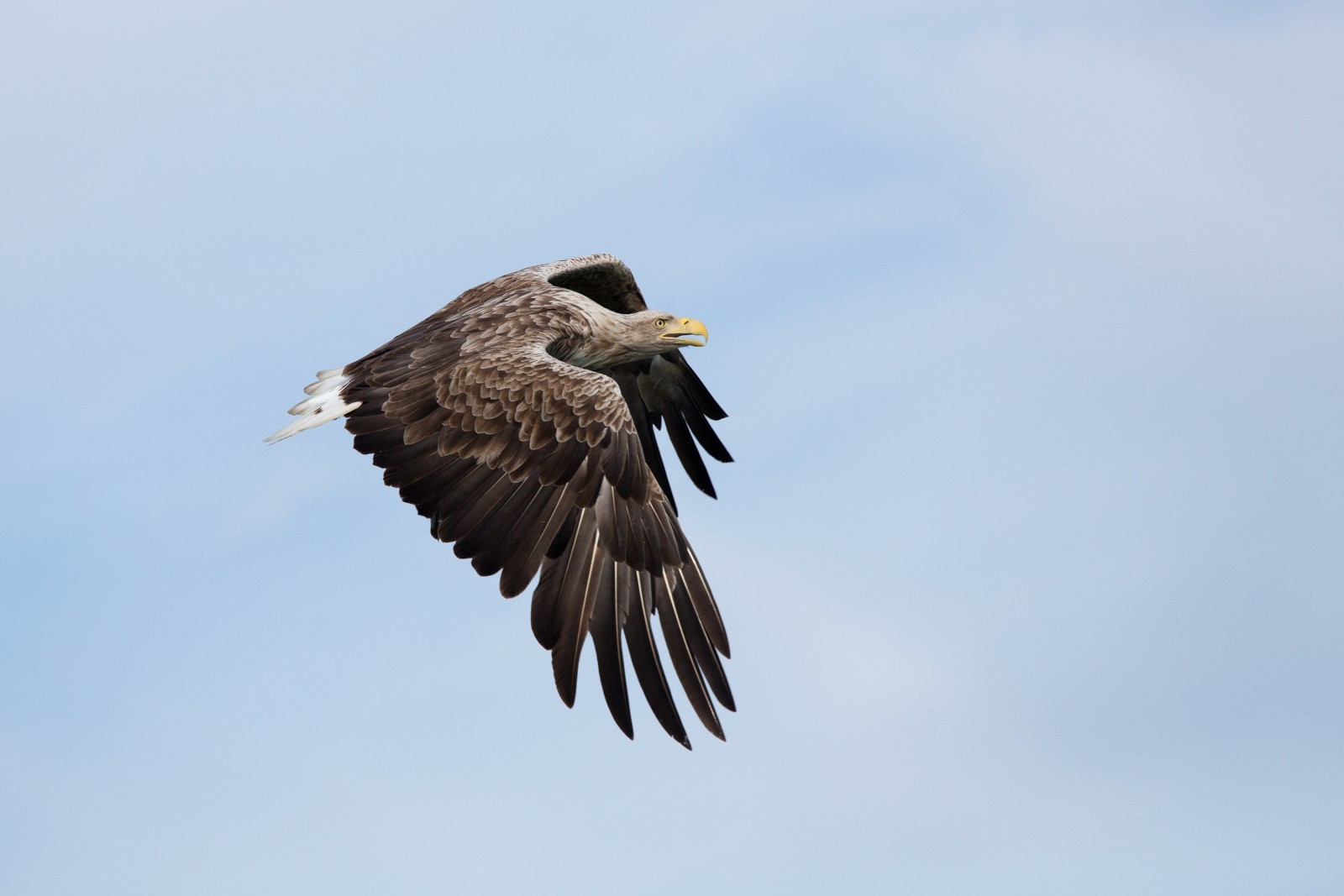
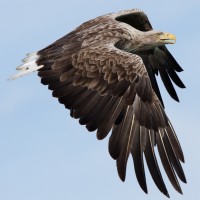
There are a few species of raptors, mostly Poiana and Sparviere. Near fishponds there can be seen some resting Aquila di mare and, especially during migration, Falco pescatore. Lasy Radłowskie is home to a few species of owls, especially Gufo comune, Allocco, Allocco degli Urali and Civetta nana.
Around fishponds and wetlands there are some areas overgrown with reeds. They are home of many species of passerines, especially species from genus Acrocephalus, Salciaiola and Migliarino di palude.
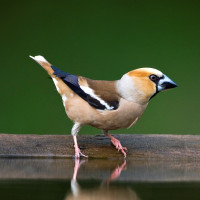
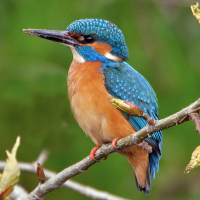
Other, common species: Germano reale, Tuffetto, Colombaccio, Corriere piccolo, Cormorano, Airone cenerino, Airone bianco maggiore, Martin pescatore, Picchio rosso maggiore, Picchio rosso minore, Picchio verde, Ghiandaia, Corvo imperiale, Cincia mora, Cincia bigia, Cincia alpestre, Cinciarella, Cinciallegra, Luì grosso, Luì piccolo, Codibugnolo, Capinera, Regolo, Picchio muratore, Rampichino alpestre, Rampichino comune, Scricciolo, Storno, Tordela, Tordo bottaccio, Merlo, Pettirosso, Fringuello, Frosone, Ciuffolotto, Verdone, Cardellino and Lucherino.
Dettagli
Accesso
The main trail is available from Wierzchosławice or Waryś village. There is a large parking place from Wierzchosławice side. Press a P on the map for directions. It's best to explore both the main trail and other areas by foot, but a bike can also be an option. Local people use the main trail as a shortcut for cars, but it's not advised to try this way of exploring in the forest (especially, there may be restrictions of the use of the road - only for residents/with permission). The main trail is easy, broad and quite flat, but other trails can be narrower and muddy. Access to some paths (especially ones around some fishponds) can be restricted.
Terreno e habitat
Foresta , Zona umida , Alberi e cespugli sparsi , Fiume , Stagno , Velme , Parco , CannetiCaratteristiche dell’area
Terreno piano , Paludoso , Scivoloso , Acqua alta possibilePercorso ad anello
SiÈ utile un cannocchiale?
Può essere utileBuona stagione per il BW
Tutto l'annoMiglior periodo per visitare
PrimaveraPercorso
Strada asfaltata , Sentiero ampio , Strada sterrata , Sentiero strettoGrado di difficoltà del percorso a piedi
FacileModalità di accesso
A piedi , BiciclettaCapanno/torretta di osservazione
NoInformazioni aggiuntive
Most birds here are very active - there isn't really a need to stimulate them if they are somewhere around. Please, avoid doing so. If you want to find most of the singing birds, try to be there as early, as possible (morning hours). Owls tend to show up mostly in the morning/evening hours.
Best to go along roads/paths, especially the main one, although it can get quite busy in warm weekends.
Hazards: ticks, deep mud, deep wetland. Keep in mind the presence of large animals (deer, moose, boars) and other people (local people driving through main trail, foresters, hunters, mushroom pickers, wanderers etc.)!!!
 ) per inserire i nomi delle specie nella tua lingua. I nomi delle specie verranno automaticamente tradotti per gli altri utenti!