Descrizione
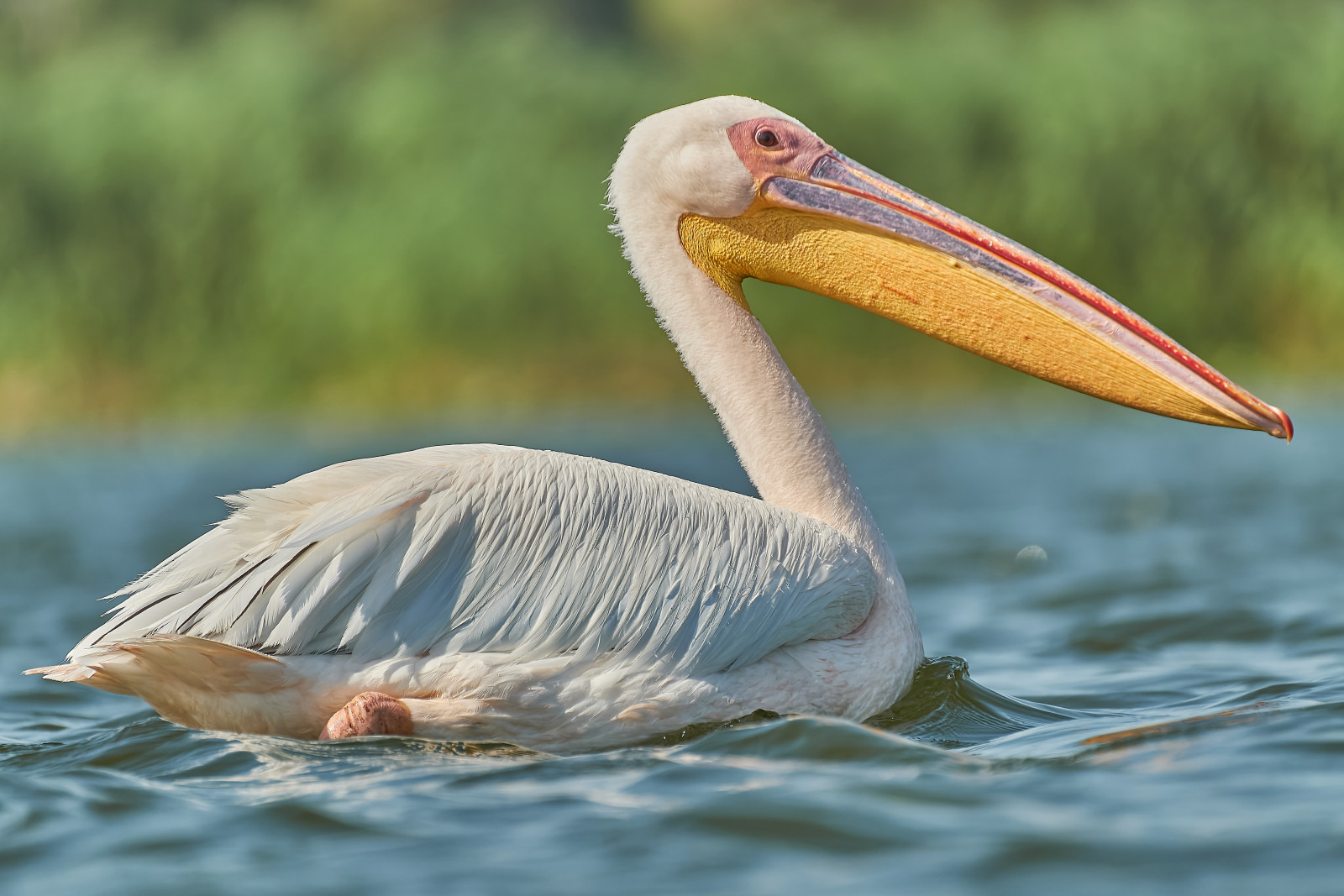
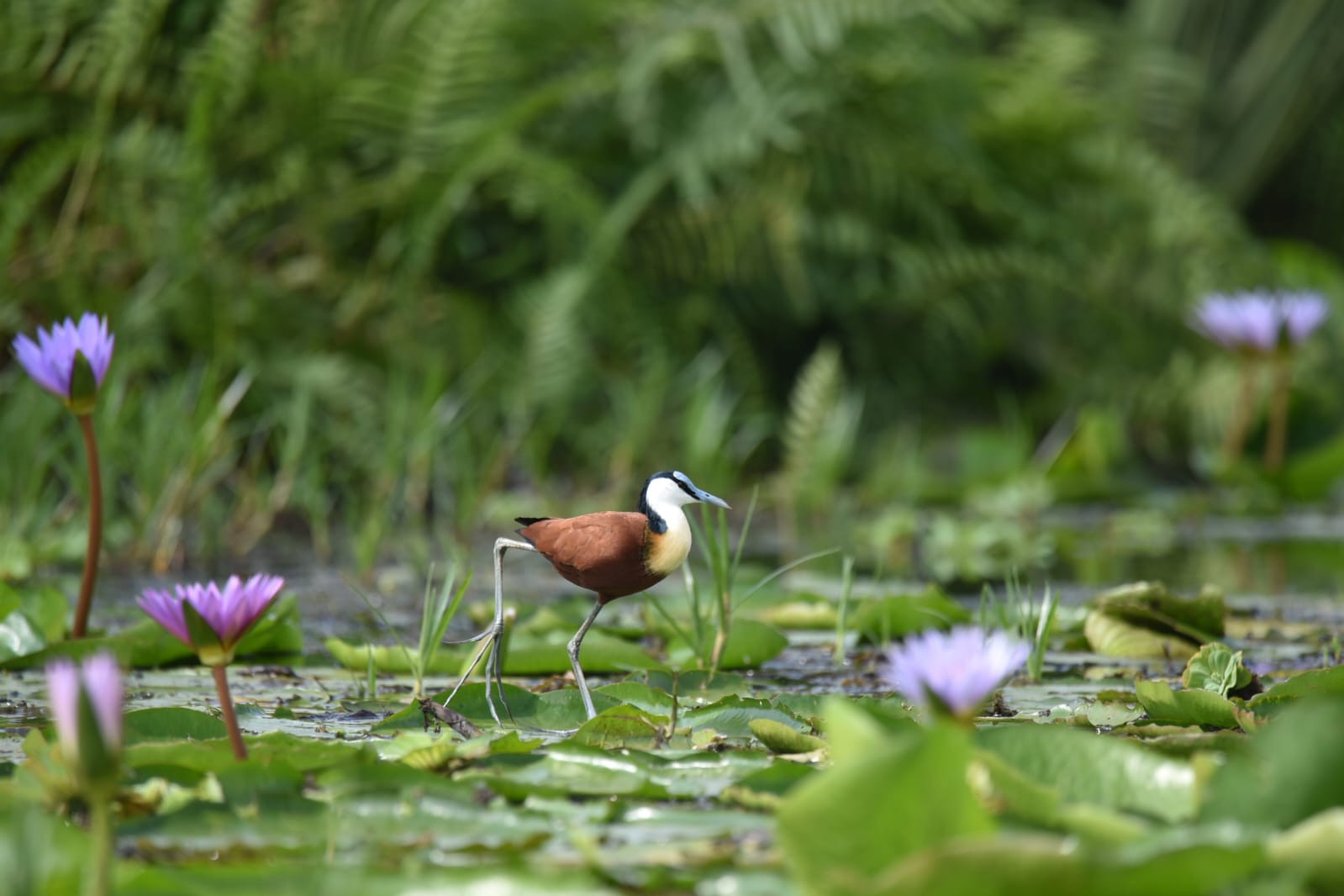
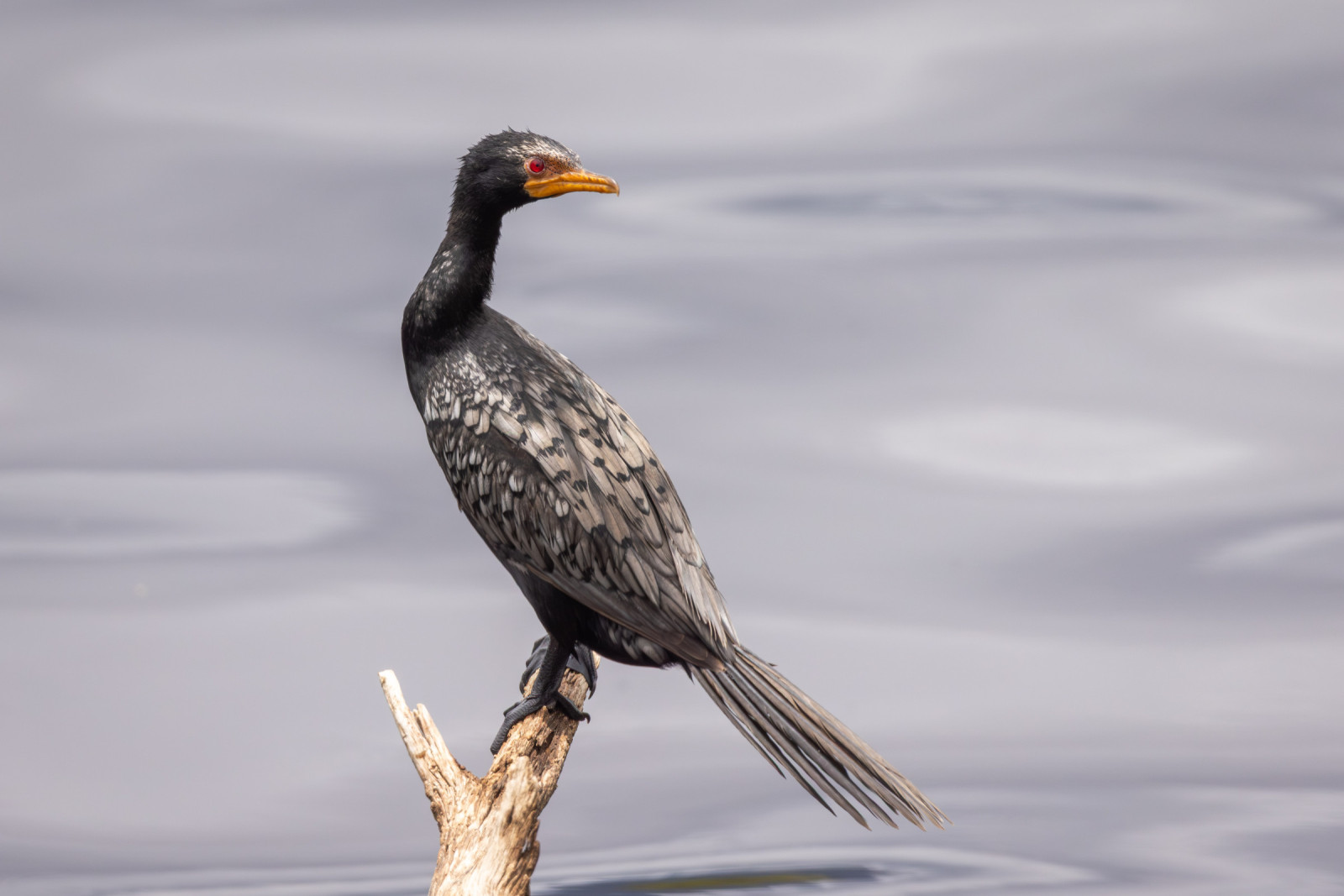
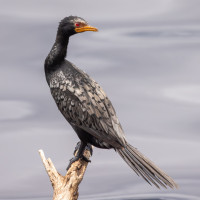
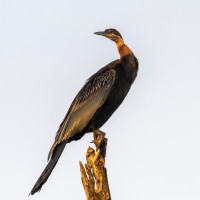
Technopole de Dakar consists of several large water bodies that changes in size in accordance with the shift between dry and rainy seasons. In the lakes, Great White Pelican and Pink-backed Pelican usually aggregate in large numbers. Long-tailed Cormorant, African Darter, and Great Cormorant are among the other residents. In the shallower areas, herons like Black Heron, Great Egret, and Glossy Ibis and different sandpipers and plovers are a common scene. The sandbars in the middle, if exposed, have hosted African Skimmer and Greater Flamingo.
Around the waters, the expansive reedbeds are home to Black Crake, African Swamphen and Greater Swamp Warbler. The agricultural lands across the area attract common species like Spur-winged Lapwing, Little Bee-eater, and Senegal Coucal. Apart from Black Kite which can be found all over Dakar, this wetland is home to other raptors like Osprey and Red-necked Falcon.
Dettagli
Accesso
Technopole de Dakar is located in the neighbourhood of Pikine and can be easily accessed by car or taxi. There is a main entrance to this area where parking space is available. Press P on the map for directions. Only the main passage in Technopole is wide enough for cars to pass, and the area is best explored on foot or by bike. A half-day trip is enough for a visit.
Note that entry to Technopole is free. However, the main entrance is guarded and the guards have been seen demanding entry fees from (especially foreign) visitors. Use your best judgement when it happens.
Alternatively, if you would like to avoid the main entrance, there are many unofficial footpaths used by locals to enter and exit the area. These paths can be identified with Google Map satellite image.
Terreno e habitat
Zona umida , Canneti , Terreni coltivati , VelmeCaratteristiche dell’area
Terreno piano , Paesaggio aperto , AsciuttoPercorso ad anello
SiÈ utile un cannocchiale?
Può essere utileBuona stagione per il BW
Tutto l'annoMiglior periodo per visitare
Primavera , EstatePercorso
Strada sterrataGrado di difficoltà del percorso a piedi
FacileModalità di accesso
A piedi , Bicicletta , MacchinaCapanno/torretta di osservazione
SiInformazioni aggiuntive
Late into the rainy season (June to October) as well as a decent time after, the water level in the lakes are too high for many foraging waterbirds which then leave Technopole for other feeding grounds.

 ) per inserire i nomi delle specie nella tua lingua. I nomi delle specie verranno automaticamente tradotti per gli altri utenti!