Descrizione
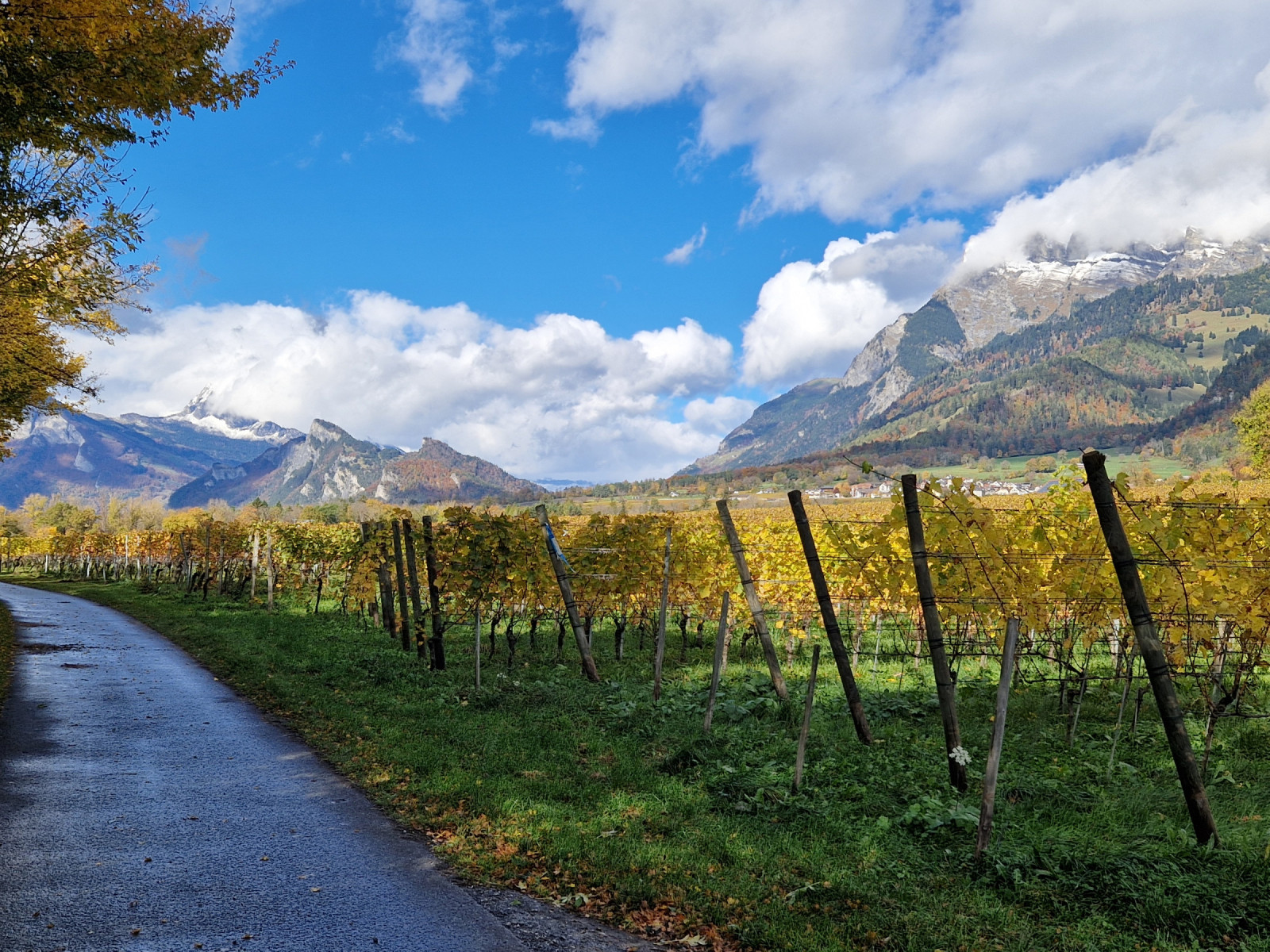
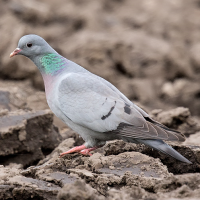
The Rohanschanze (1) is a barely visible defensive fortification dating back to the Thirty Years’ War. The former ramparts are now crowned with ancient oaks, and the Colombella can be seen here and in the surrounding fields.
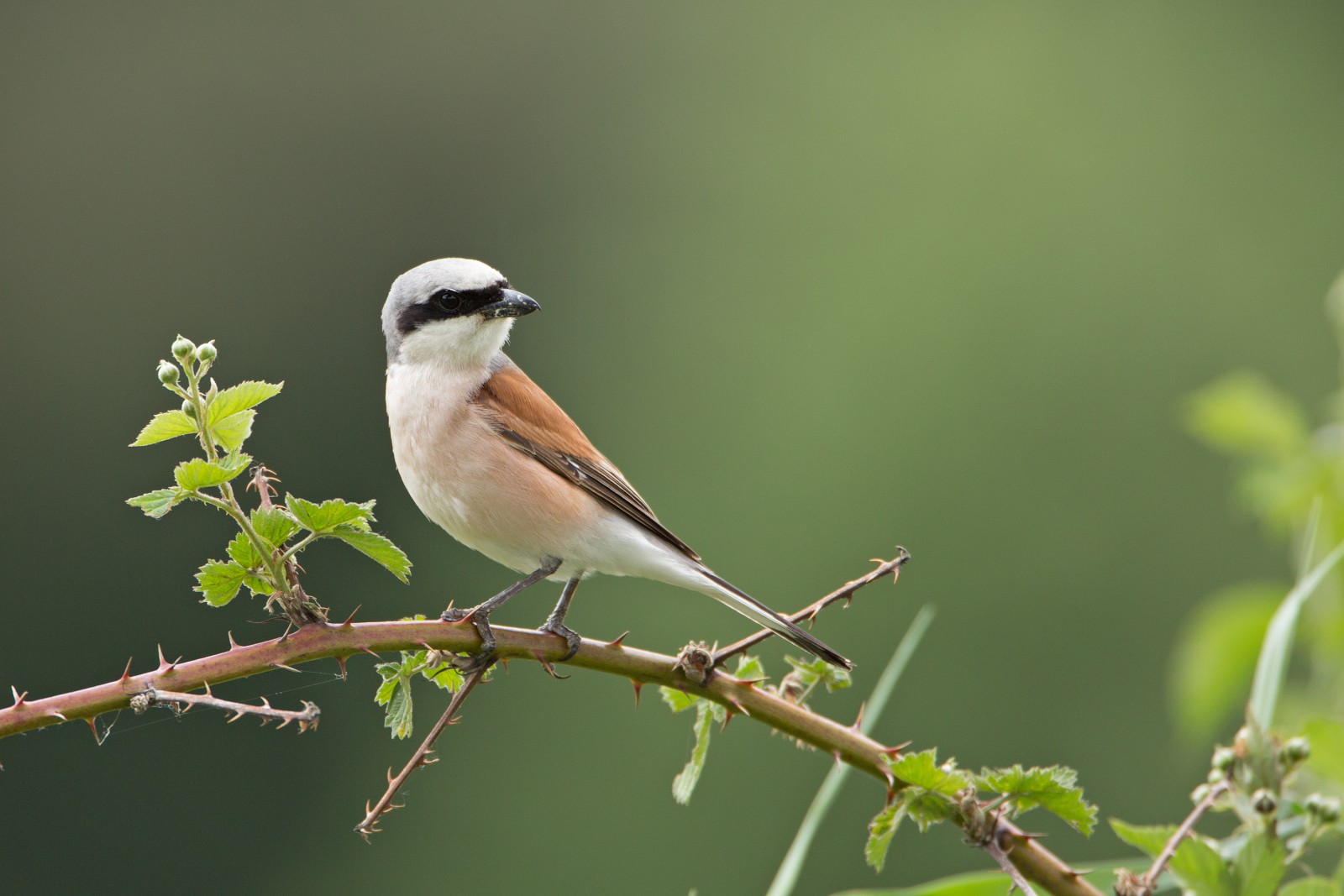
Right next to the site lies a traditionally managed meadow enclosed by hedges (2), offering breeding grounds for birds of the cultural landscape that have become increasingly rare, such as the Averla piccola and the Codirosso. During migration, Stiaccino and Saltimpalo are often spotted, and there are records of the Averla maggiore from late autumn and winter.
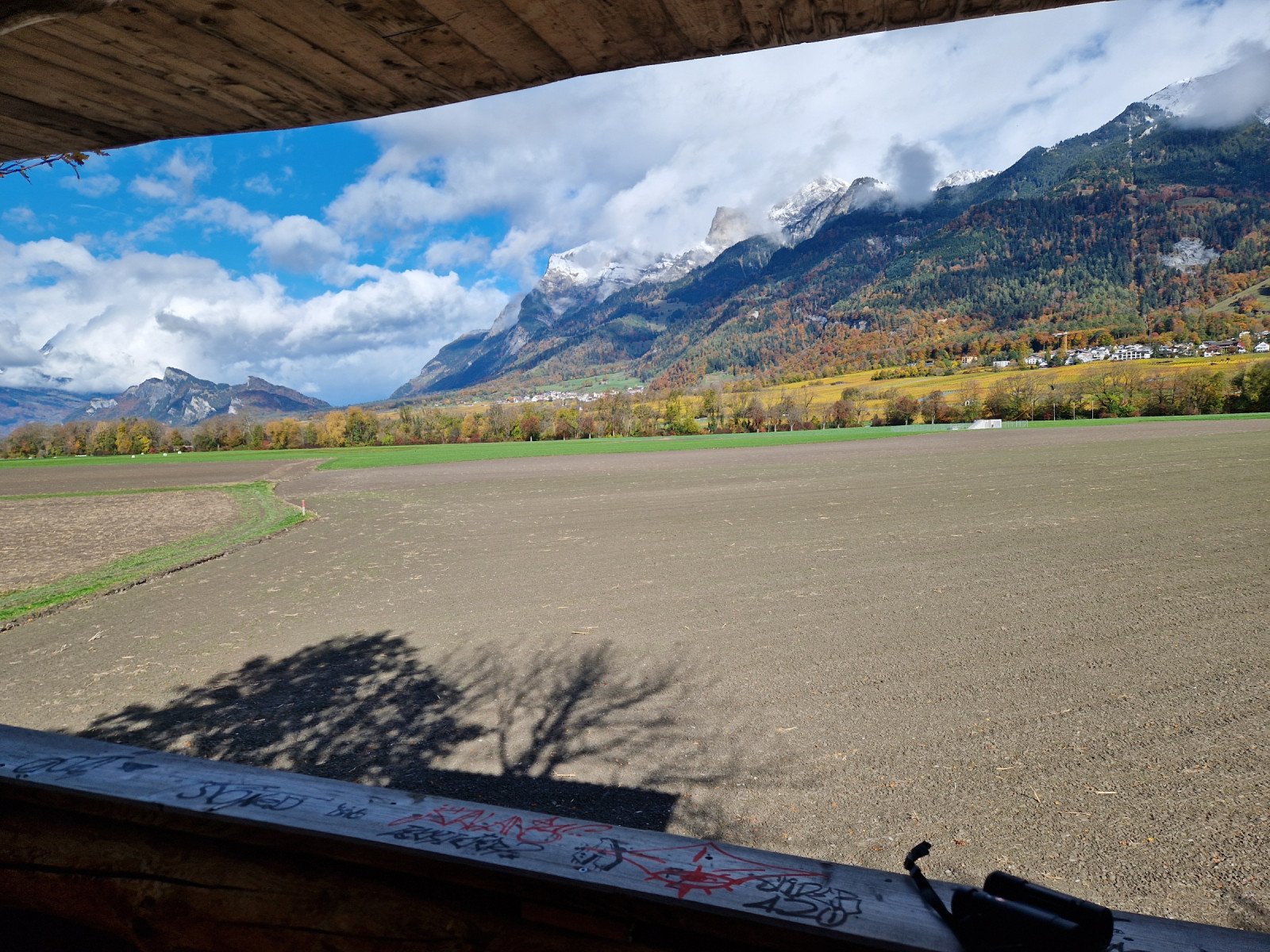
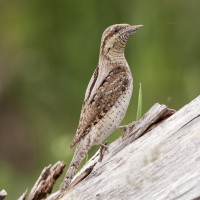
The intensively cultivated fields around the area (3), visible from an observation platform facing north, provide resting places for migrating pipits, wagtails, and larks — mainly in spring, but also in autumn. Nearly every spring, the Albanella minore is sighted passing through this corridor. It’s worth scanning the more distant trees for resting Falco cuculo or Gruccione — both rare species that are nonetheless seen here regularly. From these trees, you may also hear the distinctive song of the Torcicollo.
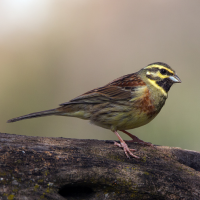
Those who follow the path further east reach the southernmost vineyards of the Bündner Herrschaft (4), home to characteristic birds of these landscapes such as the Zigolo nero and Zigolo giallo, both of which breed here.
Nearly 200 species have been recorded in total — owing to the fact that the area is regularly visited by Graubünden’s most dedicated birders. Among the very rare sightings are two records of Averla cenerina (1967 and 1974), three of Averla capirossa, one of Occhione, and, more recently, two of Calandrella, a species that will likely appear here more often in the future.
Dettagli
Accesso
The area is best reached either from Landquart train station (it's a bit tricky to find the way across the motorway and railroad tracks) or from Malans train station. Those are also the best parking spots if you arrive by car.
Terreno e habitat
Pianura , Terreni coltivati , Prateria/pascolo , Alberi e cespugli sparsiCaratteristiche dell’area
Terreno pianoPercorso ad anello
SiÈ utile un cannocchiale?
Può essere utileBuona stagione per il BW
Primavera , Autunno , EstateMiglior periodo per visitare
Migrazione primaverilePercorso
Sentiero ampioGrado di difficoltà del percorso a piedi
FacileModalità di accesso
A piedi , Bicicletta , Sedia a rotelleCapanno/torretta di osservazione
SiInformazioni aggiuntive
To the north, the Siechenstuden and the Maienfeld vineyards can be visited (see the respective entries on this page).
 ) per inserire i nomi delle specie nella tua lingua. I nomi delle specie verranno automaticamente tradotti per gli altri utenti!