Descrizione
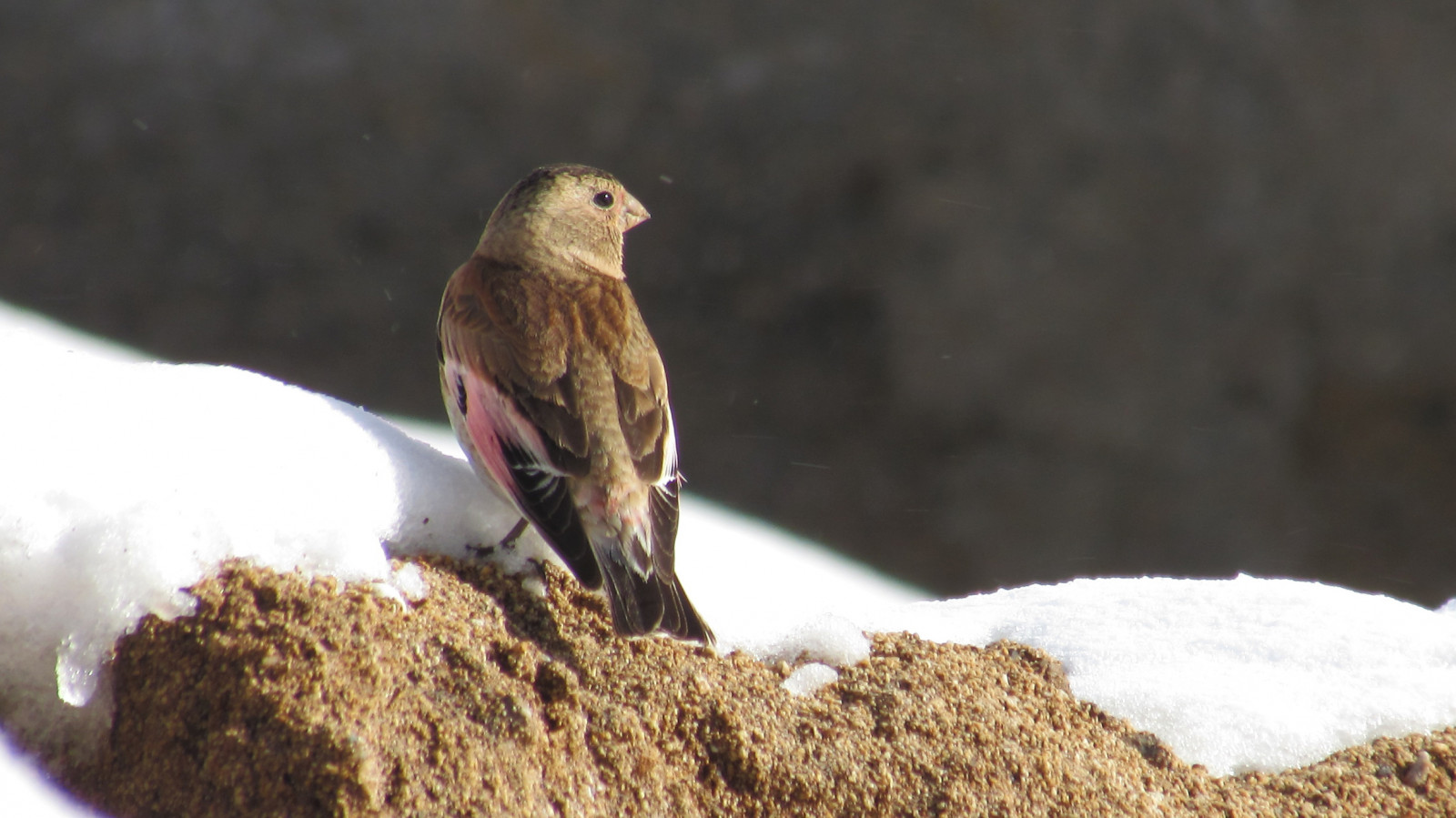
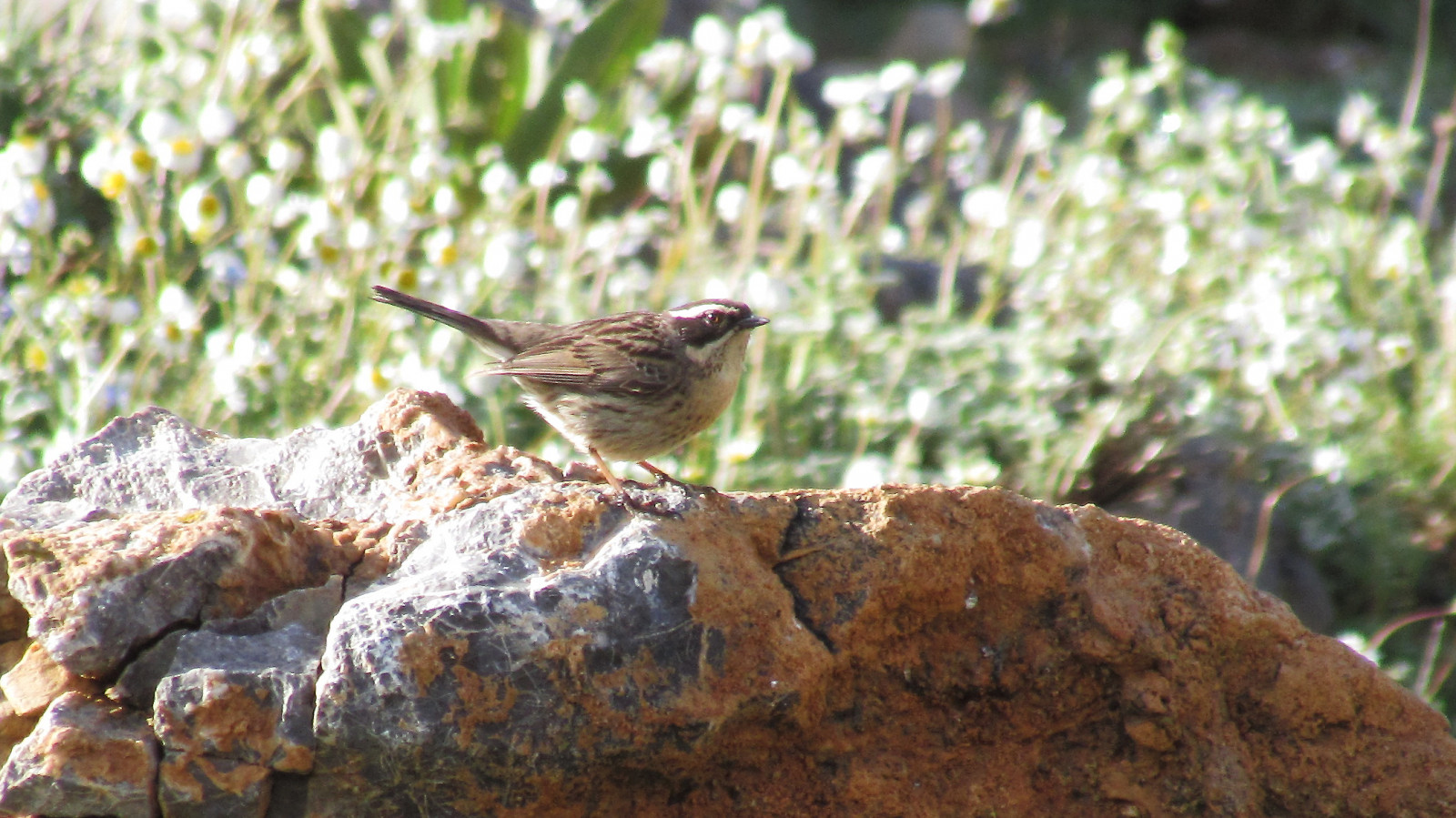
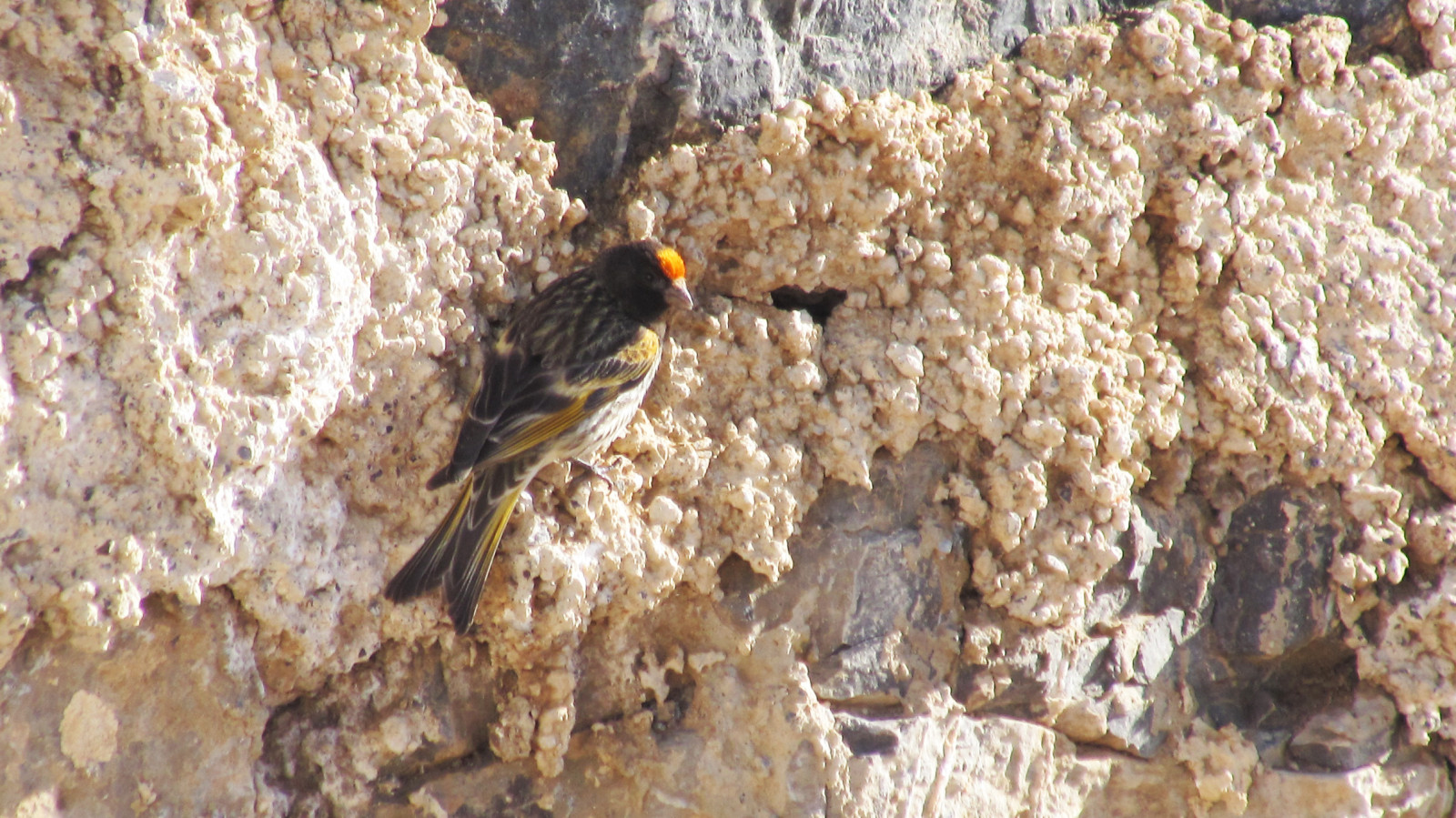
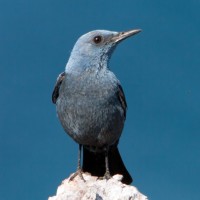
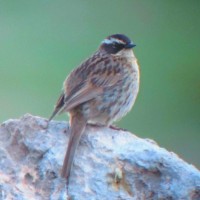
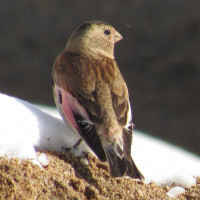
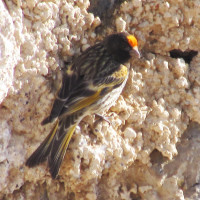
Although it hosts many great species, Anti-Taurus Mountains is a complex mountain range. So it is hard to find and observe the birds from reasonably distances. This route gives good opportunities for birders to drive through the inner parts of the mountain range and observe many species from the car. Many alpine species such as Tetraogallo del Caspio, Radde's Accentor, Sordone, Fringuello alpino, Fringuello alicremisi and Verzellino fronterossa are potential species that you can observe on this route. Additionally, it is possible to see Aquila reale, Passero solitario, Picchio muraiolo, Coturnice orientale, Picchio muratore di roccia and Allodola golagialla.
Dettagli
Accesso
This route is only accessible with a private car.
Terreno e habitat
Montagna , Canyon/scogliera , Alberi e cespugli sparsiCaratteristiche dell’area
Montagnoso , Roccioso , Asciutto , Non ombreggiatoPercorso ad anello
NoÈ utile un cannocchiale?
SiBuona stagione per il BW
Primavera , EstateMiglior periodo per visitare
Primavera , Migrazione primaverile , EstatePercorso
Strada sterrataGrado di difficoltà del percorso a piedi
Difficoltà mediaModalità di accesso
MacchinaCapanno/torretta di osservazione
NoInformazioni aggiuntive
Firstly, snow is very common until the beginning of June in the area. It is better to be careful during heavy snow. Secure your car for any potential malfunctions, because there is no human settlement in 20 km distance. Secondly, never leave the road and never try to climb even to lowest hills. The rocks on the slopes are not stable and could cause serious injuries or worse. The road was originally created for a mine which is still active at the end of the road. For any possible emergencies, they have first aid materials & initial medical assistance.
Tips to observe the species;
1. Tetraogallo del Caspio is relatively common in the region and easy to hear its call. However, it is very hard spot its location. It is better spare good amount of time to scan the slopes with telescope and be patient.
2. Picchio muraiolo is another possible species on the route, especially on the cliffs around the mine.
3. Most of passerines such as Fringuello alicremisi and Verzellino fronterossa hang out around the salt piles near the mine.
4. There are many wild goats you can encounter in the area.
 ) per inserire i nomi delle specie nella tua lingua. I nomi delle specie verranno automaticamente tradotti per gli altri utenti!