Descrizione
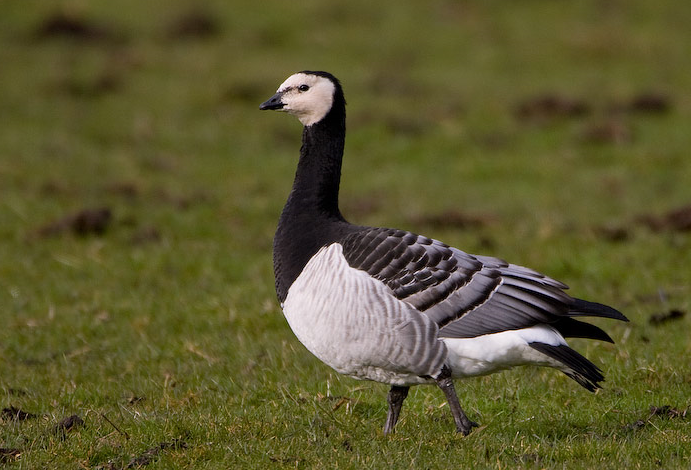
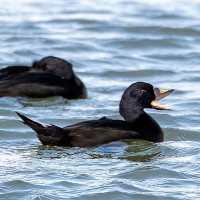
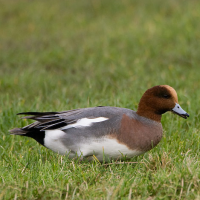
The variety of habitats in John Muir Country Park attracts waders, migratory wildfowl, sea ducks, divers offshore, and passerines. Geese (including large flocks of Oca zamperosee and Oca facciabianca) and swans (Cigno reale and Cigno selvatico) winter in surrounding fields. Fischione, Alzavola, Moretta codona and Orchetto marino, both in the estuary and offshore. Strolaga minore and Strolaga mezzana offshore.
Particularly good for wintering waders: Pettegola, Pittima reale, Pittima minore, Chiurlo maggiore, Beccaccia di mare, Piovanello pancianera, Piovanello tridattilo, and Corriere grosso. Other species occur on migration, including Chiurlo piccolo, Piovanello comune and Pantana. A Corriere di Leschenault was recorded in 2020.
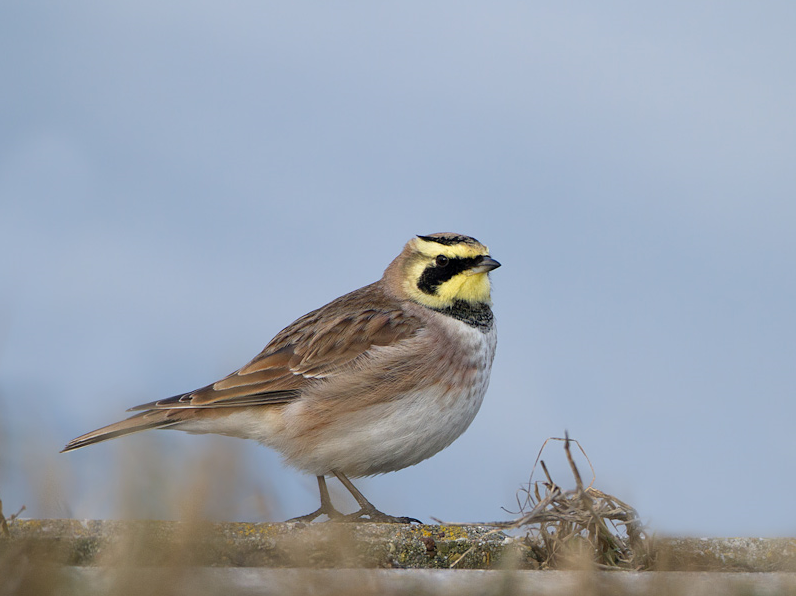
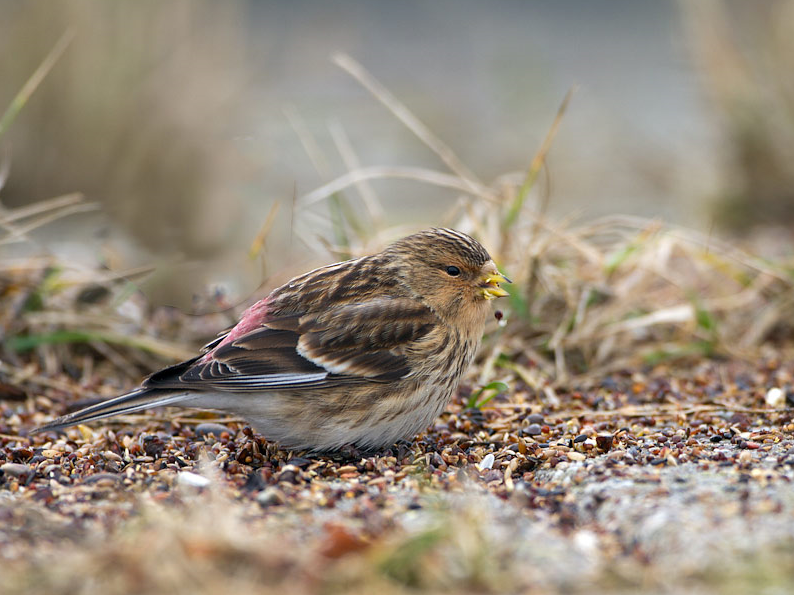
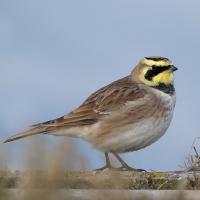
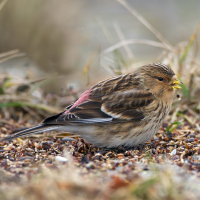
The foreshore and saltmarsh are particularly noted for wintering Allodola golagialla and Fanello nordico. Wagtails, tits and finches along shore and in pine woods, with Picchio muratore and Rampichino alpestre. Migration in autumn can bring a variety of coastal passage species from Scandinavia, such as Pigliamosche, Codirosso, Stiaccino and Culbianco.
Dettagli
Accesso
Parking for John Muir Country Park via access road shared with East Links Family Park, on north side of A1087, 400m west of West Barns. Best road access is to join the A1087 at its junction with the A1, west of the Country Park, drive towards Dunbar and turn left at the signs for the Family Park and Country Park. Press P on the map for directions to the parking. The parking is pay and display.
Can be reached by rail via Dunbar station (3 km), on the East Coast main line (services to Edinburgh and south to Newcastle and beyond). The X7 express bus (Dunbar - Edinburgh) and local 120 bus pass the entrance.
John Muir Footpath passes through the Country Park and there is a marked cycle route that passes the entrance.
Terreno e habitat
Foresta , Pianura , Brughiere/lande , Fiume , Mare , Dune , Spiaggia , Velme , Terreni coltivati , Prateria/pascolo , Alberi e cespugli sparsiCaratteristiche dell’area
Terreno piano , Sabbioso , Asciutto , Paludoso , Paesaggio aperto , Scivoloso , Acqua alta possibilePercorso ad anello
SiÈ utile un cannocchiale?
Può essere utileBuona stagione per il BW
Tutto l'annoMiglior periodo per visitare
Inverno , Migrazione primaverile , Migrazione autunnalePercorso
Strada asfaltata , Strada sterrata , Sentiero stretto , Sentiero ampioGrado di difficoltà del percorso a piedi
Difficoltà mediaModalità di accesso
A piedi , Bicicletta , MacchinaCapanno/torretta di osservazione
NoInformazioni aggiuntive
Toilets and showers available at the car park.
 ) per inserire i nomi delle specie nella tua lingua. I nomi delle specie verranno automaticamente tradotti per gli altri utenti!