Descrizione
Musselburgh is an area of reclaimed mudflats which were landscaped with trees and scrapes, and with a seawall directly overlooking deep but sheltered water in the Firth of Forth. Grassland, woodlands, open ash lagoons, a boating pond and artificial wader scrapes. Good for terns, gulls, waders and grebes and one of the best places to see sea ducks, including as many as five species of Scoter, off the seawall.
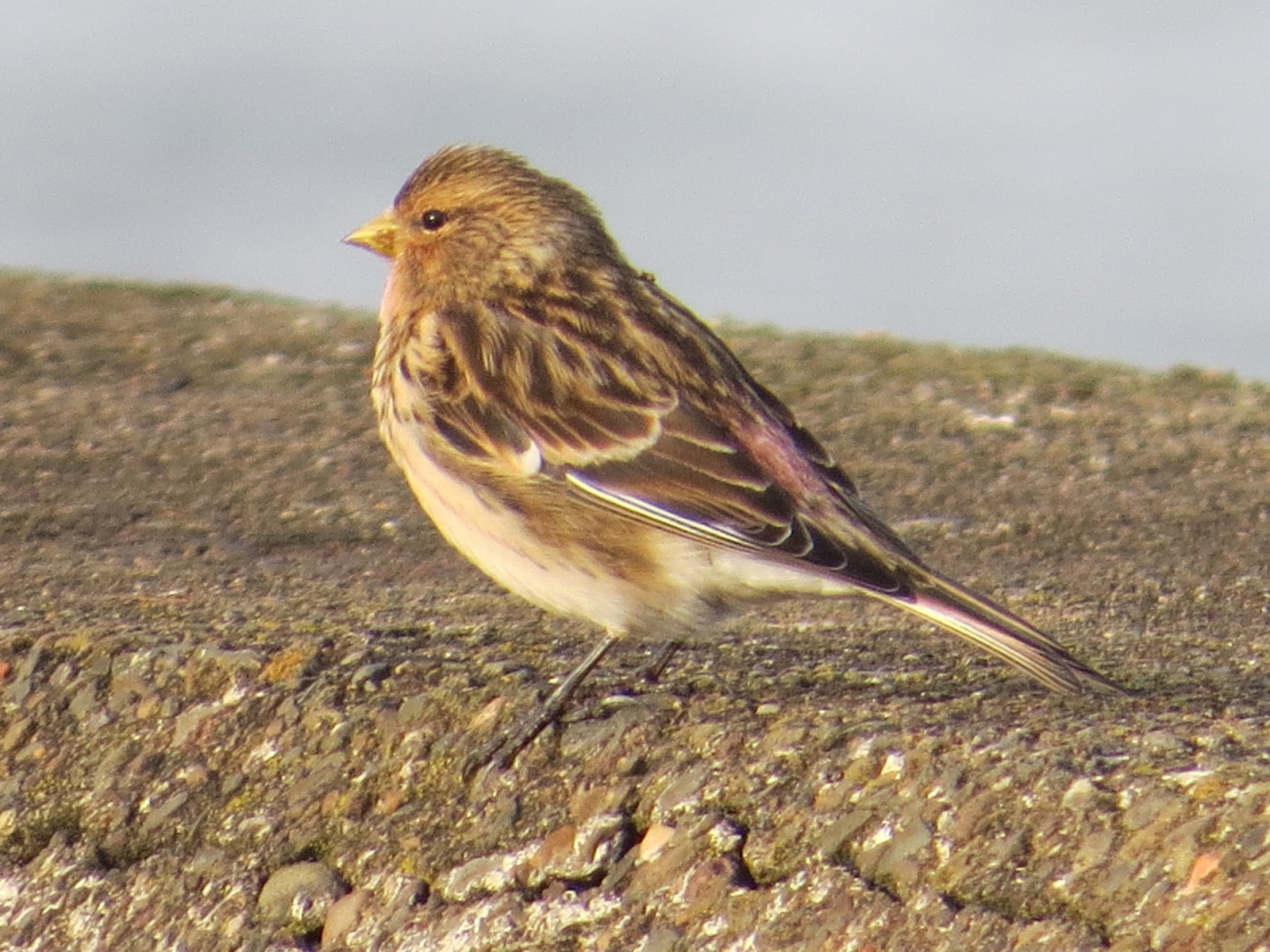
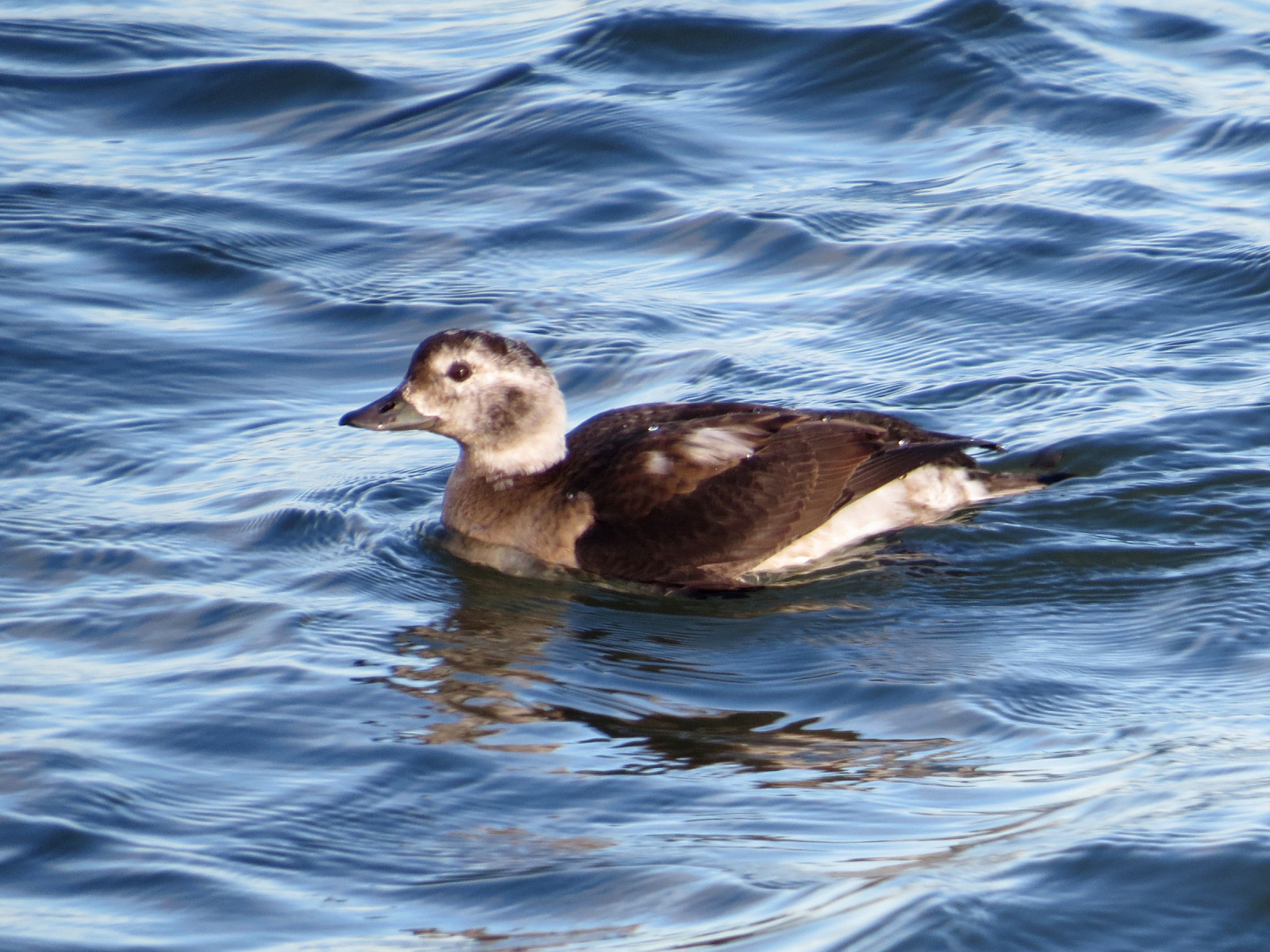
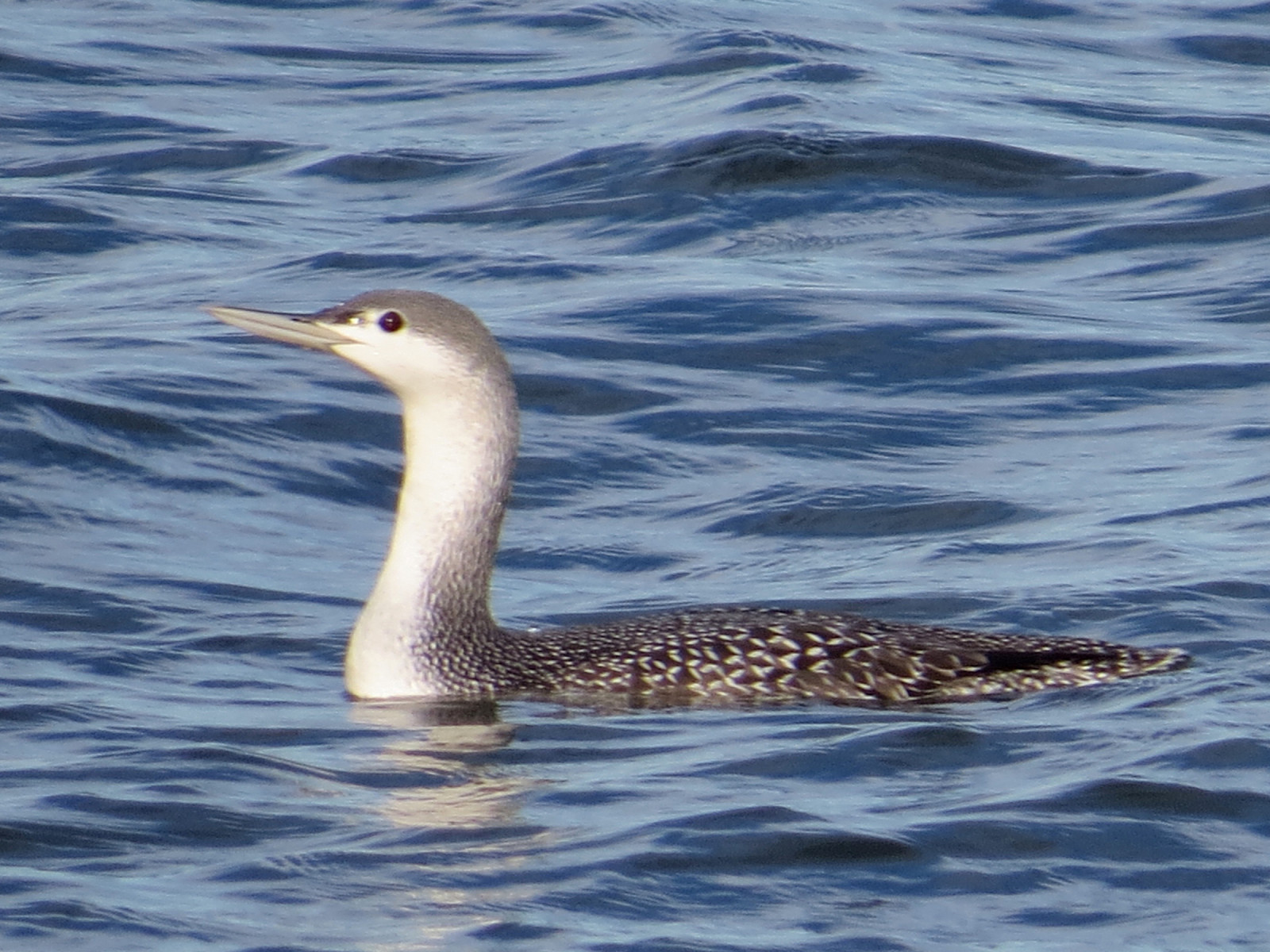
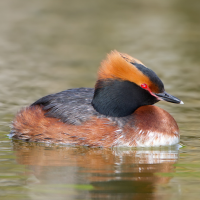
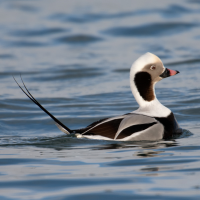
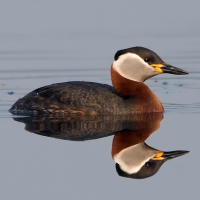
Some of the birds you can see here: Orco marino, Moretta codona, Svasso collorosso, Svasso cornuto, Orco marino dagli occhiali. The open, rough grass is also attractive to wintering Fanello nordico.
Recent rarities include Piro piro del Terek, Gambecchio frullino, Orco marino del Pacifico, Re degli edredoni, Limnodromo pettorossiccio, Piviere orientale and Stejneger's Scoter.
Dettagli
Accesso
Park at Goose Green Road by the River Esk or by the boating pond or on the car park near the eastern entrance. The walking trail that is shown on the map is 4,5 km long.
Terreno e habitat
Alberi e cespugli sparsi , Zona umida , Prateria/pascolo , Fiume , Mare , VelmeCaratteristiche dell’area
Terreno pianoPercorso ad anello
SiÈ utile un cannocchiale?
SiBuona stagione per il BW
Tutto l'annoMiglior periodo per visitare
Migrazione primaverile , Migrazione autunnale , InvernoPercorso
Strada asfaltata , Sentiero ampioGrado di difficoltà del percorso a piedi
FacileModalità di accesso
A piedi , Bicicletta , Sedia a rotelleCapanno/torretta di osservazione
SiInformazioni aggiuntive
Musselburgh Lagoons, at the mouth of the River Esk, were formed in 1964 by the South of Scotland Electricity Board. They constructed a large concrete sea wall encompassing four large lagoons which were used for the dumping of fly-ash from the nearby Cockenzie Power Station. These ash lagoons provided ideal conditions for the large numbers of waders, gulls, terns and duck that now use them as a high tide roost site, particularly the lagoon nearest to the river mouth. In June 2023 a new lagoon and 5 new hides were opened on the Lagoon nearest the river, the hides are accessible from a tarmac foot and cycle path.
,_Etangs_de_Stavelot,_Belgien_(38631119665) Frank Vassen.jpg)
 ) per inserire i nomi delle specie nella tua lingua. I nomi delle specie verranno automaticamente tradotti per gli altri utenti!