Descrizione
The Netherfield Lagoons is a nature reserve that is situated on the Trent Valley Flood Plain and has been partly used as a dump for coal slurry but with two remaining gravel ponds. The two slurry pits are separated by a raised causeway, which is elevated some 50 feet (15 m) above the pits, giving a commanding view of the area. The largest tank is virtually full but retains some water, with muddy edges attractive to waders and roosting gulls and terns. The smaller tank is mainly deep water, attracting good numbers of wildfowl, with smaller birds, especially warblers, feeding and breeding around the tank edges. The site consists roughly of three compartments, the Slurry Lagoon, the Deep Pit and the two Gravel Pits.
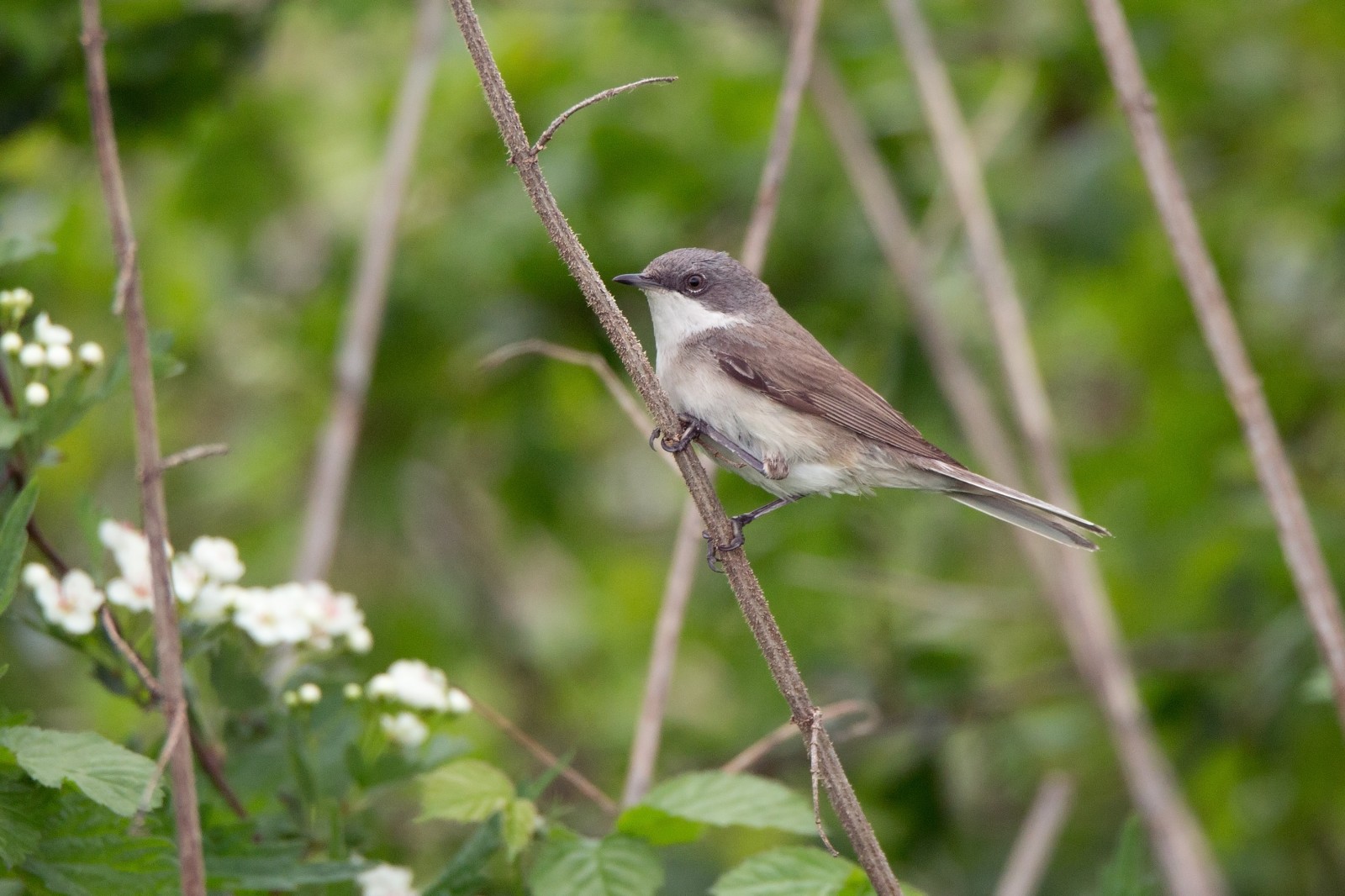
Because of the largely temporary nature of the main slurry lagoon sites, much of the avian interest is restricted to passage and wintering birds. A railway embankment, which forms the western boundary of the site, holds Bigiarella and other warblers during the summer and occasionally Gufo di palude in the winter. The scrubby banks of the gravel ponds are a frequent stopping-off point for small numbers of Stiaccino and a regular wintering site for Saltimpalo. Cormorano roost on the electricity pylons.
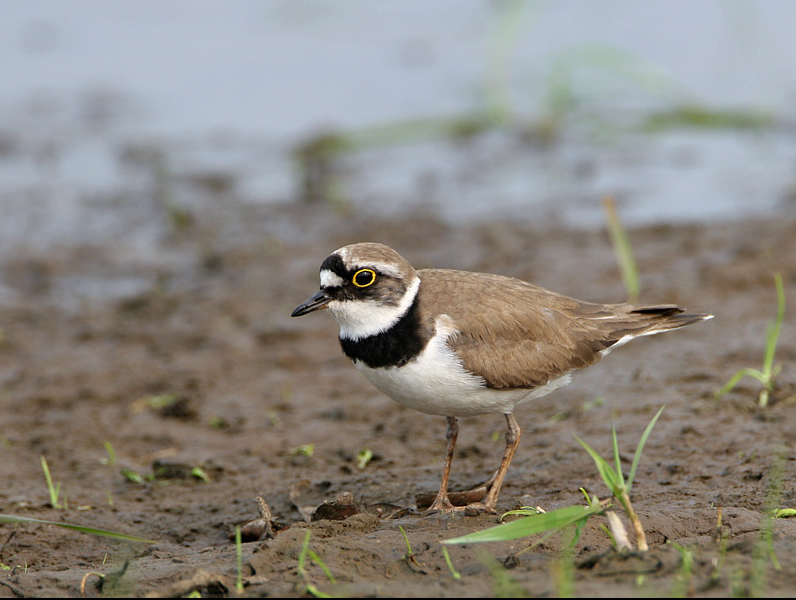
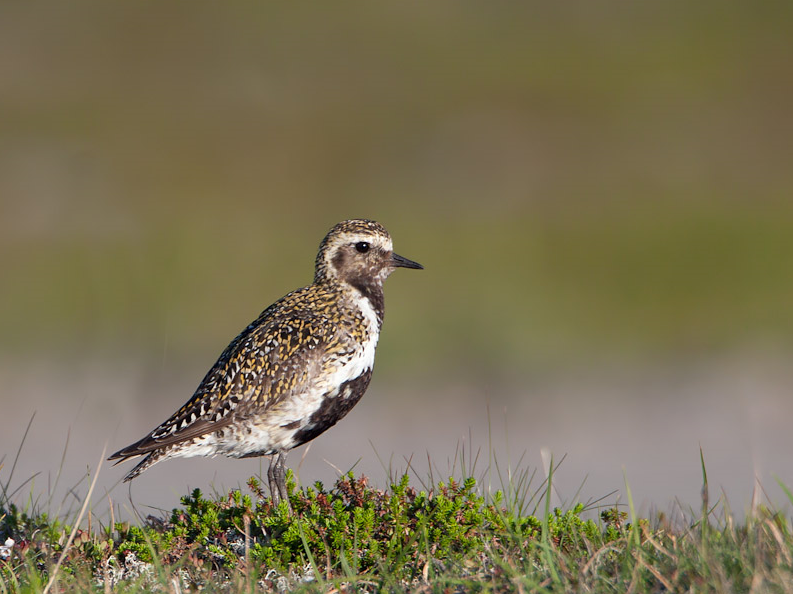
During the spring, pools created on the slurry attract most of the common species of wader, with Corriere piccolo being common from April to September. Regular species in autumn include Combattente, Piovanello pancianera, Pantana, Pettegola, Piro piro culbianco and Piro piro piccolo. In the late autumn up to 4000 Piviere dorato and 1000 Pavoncella use the pools as a roost site, along with several hundred Fischione and smaller numbers of Alzavola, Mestolone and Codone. The weedy banks and fields attract good numbers of Allodola and Pispola, with Cutrettola being common on passage.
A good selection of rare birds have been located at the Netherfield Lagoons through regular checking of the migrant waders and wildfowl and have included Fischione americano, Tarabuso, Gru, Sula, Piviere tortolino, Occhione, Piovanello violetto, Gambecchio frullino, Falaropo beccolargo, Gabbiano glauco, Mignattino alibianche, Rondone indiano, Cannareccione and Cannaiola verdognola.
Dettagli
Accesso
The site can be reached from the Colwick Loop Road, by taking the road to the Victoria Retail Park and parking is via Teal Close, which is the left turn at the island. Proceed almost to the end of Teal Close and then turn right into the unsignposted, but allweather surfaced path along the side of the Ouse Dyke, cross over the footbridge and enter the site. Some limited car parking is available on Teal Close (See the P on the map).
Terreno e habitat
Zona umidaCaratteristiche dell’area
Terreno pianoPercorso ad anello
SiÈ utile un cannocchiale?
Può essere utileBuona stagione per il BW
Primavera , Autunno , InvernoMiglior periodo per visitare
Primavera , Inverno , Migrazione autunnalePercorso
Strada asfaltata , Strada sterrata , Sentiero ampio , Sentiero strettoGrado di difficoltà del percorso a piedi
FacileModalità di accesso
A piediCapanno/torretta di osservazione
NoInformazioni aggiuntive
April to June is the best time for passage waders at the Netherfield Lagoons, with terns and gulls also moving through the area. In autumn, birds begin to arrive at the lagoons from early August onwards, with passage peaking in September and October. Winter produces good numbers of birds, especially gulls, when the pools freeze over in harsh conditions. Dawn and dusk are the best time to visit, but passage birds could drop in at any time of day.
October-March: Svasso maggiore and Tuffetto, Canapiglia, Alzavola, Moriglione, Moretta, Quattrocchi, Smergo maggiore, Falco pellegrino, Piviere dorato, Frullino, Gufo comune and Gufo di palude.
April-June: Rarer grebes, Lodolaio, passage waders, gulls, terns, hirundines, Cutrettola, Culbianco, Stiaccino, Forapaglie macchiettato and other passage migrants.
July-October: Wildfowl, Falco pellegrino, Corriere piccolo and Corriere grosso, Piovanello pancianera, Pettegola, Pantana, Piro piro culbianco, Piro piro piccolo, gulls, terns and passage migrants.
 ) per inserire i nomi delle specie nella tua lingua. I nomi delle specie verranno automaticamente tradotti per gli altri utenti!