Descrizione
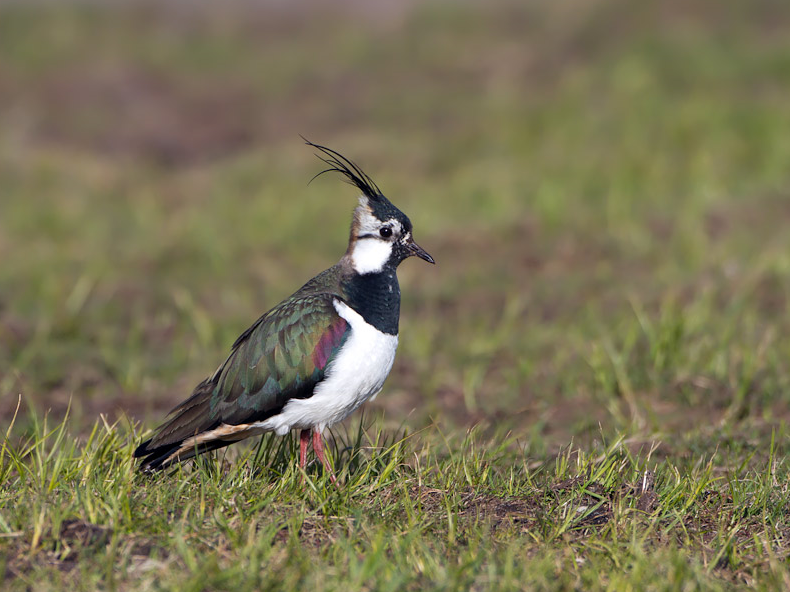
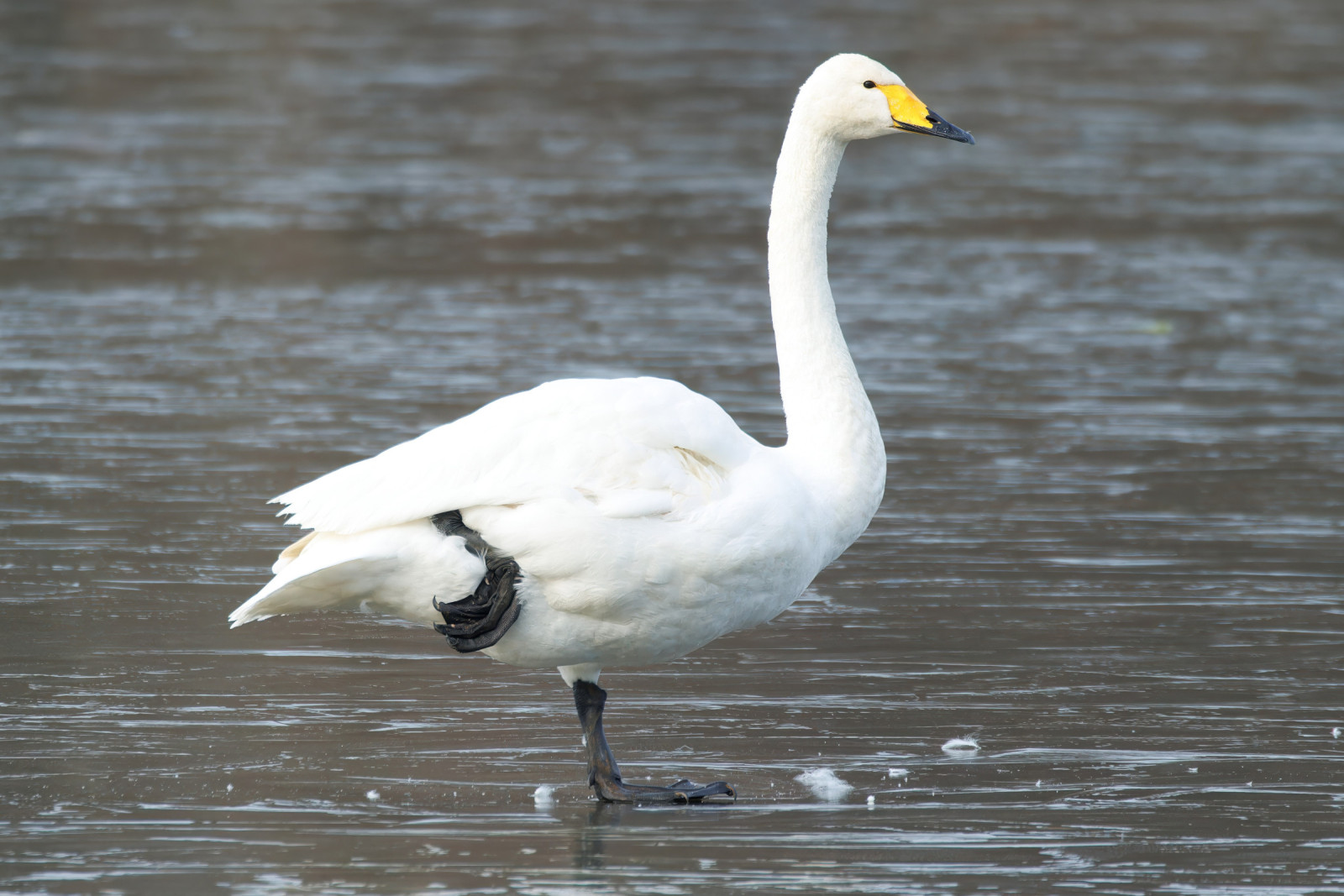
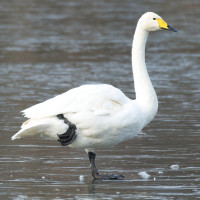
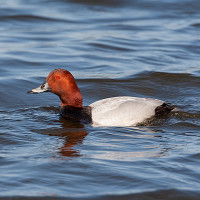
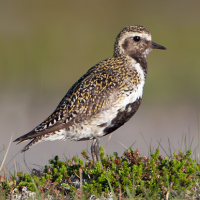
Portmore Lough is a lowland, wet-grassland reserve. The range of wetland habitats provide a home for a wide variety of wildlife. In spring, Pavoncella can be seen displaying over the wet grassland, whilst Allodola sing from high overhead. Butterflies and dragonflies dart along the path to the hide. The Sterna comune colony can be heard from the lough, as the terns busy themselves raising their young on the nesting rafts. Autumn brings lots of wildfowl, Folaga, Moriglione and Moretta ducks gather in large rafts on the lough. Raptors, including Falco di palude and Albanella reale can often be seen hunting over the reedbed at this time of year. Cigno selvatico and Oca selvatica arrive from Iceland in October to overwinter at the reserve until April. In late winter, huge swirling flocks of Pavoncella and Piviere dorato fly over the flooded meadows.
Dettagli
Accesso
From the M1 motorway come off at Junction 9, Moira roundabout, and head up the A26 towards the International Airport and Antrim. Go under the railway bridge and pass the Glenavy Road Service Station on the right. Take the second road on the left. It is signposted to the village of Aghalee. This is the Soldierstown Road. Stay on this road to the village of Aghalee. The reserve is signposted from Aghalee. Follow the road until a T-junction at Gawley’s Gate pub, turn right onto Derryola Bridge Road and drive for 1 mile. The reserve is signposted off the George’s Island Road. Car park open 9am – 5pm. When the car park gates are closed, you can park outside the gates.
Terreno e habitat
Zona umida , Lago , Prateria/pascoloCaratteristiche dell’area
Paesaggio apertoPercorso ad anello
NoÈ utile un cannocchiale?
Può essere utileBuona stagione per il BW
Tutto l'annoMiglior periodo per visitare
InvernoPercorso
Sentiero ampioGrado di difficoltà del percorso a piedi
FacileModalità di accesso
A piediCapanno/torretta di osservazione
SiInformazioni aggiuntive
158 hectares of open water meets 34 hectares of reedbed and 15 hectares of fen before flooding out onto 73 hectares of wet grassland. This mosaic of wetland habitats provides perfect opportunities for the survival of breeding Pavoncella, Beccaccino and Pettegola.
 ) per inserire i nomi delle specie nella tua lingua. I nomi delle specie verranno automaticamente tradotti per gli altri utenti!