.jpg)
Descrizione
Since its creation in 2018, this site has attracted a wide variety of wetland and reedbed dwelling birds, and being so close to the NWT Hickling Reserve and the Norfolk coast, it has so much potential to turn up rarities. The site offers a top selection of birds to see throughout the year including Gru, Airone bianco maggiore, Spatola, Basettino and Usignolo di fiume.
In winter, the site hosts flocks of Oca lombardella which can be seen gathering on Heigham Holmes. The scrapes are home to Spioncello and in some years, high water levels mean diving ducks like Moretta and Moriglione may be found among the usual dabblers Fischione, Alzavola, Mestolone and smaller numbers of Codone. The scrapes may host some wintering waders including Pittima reale and Piviere dorato.
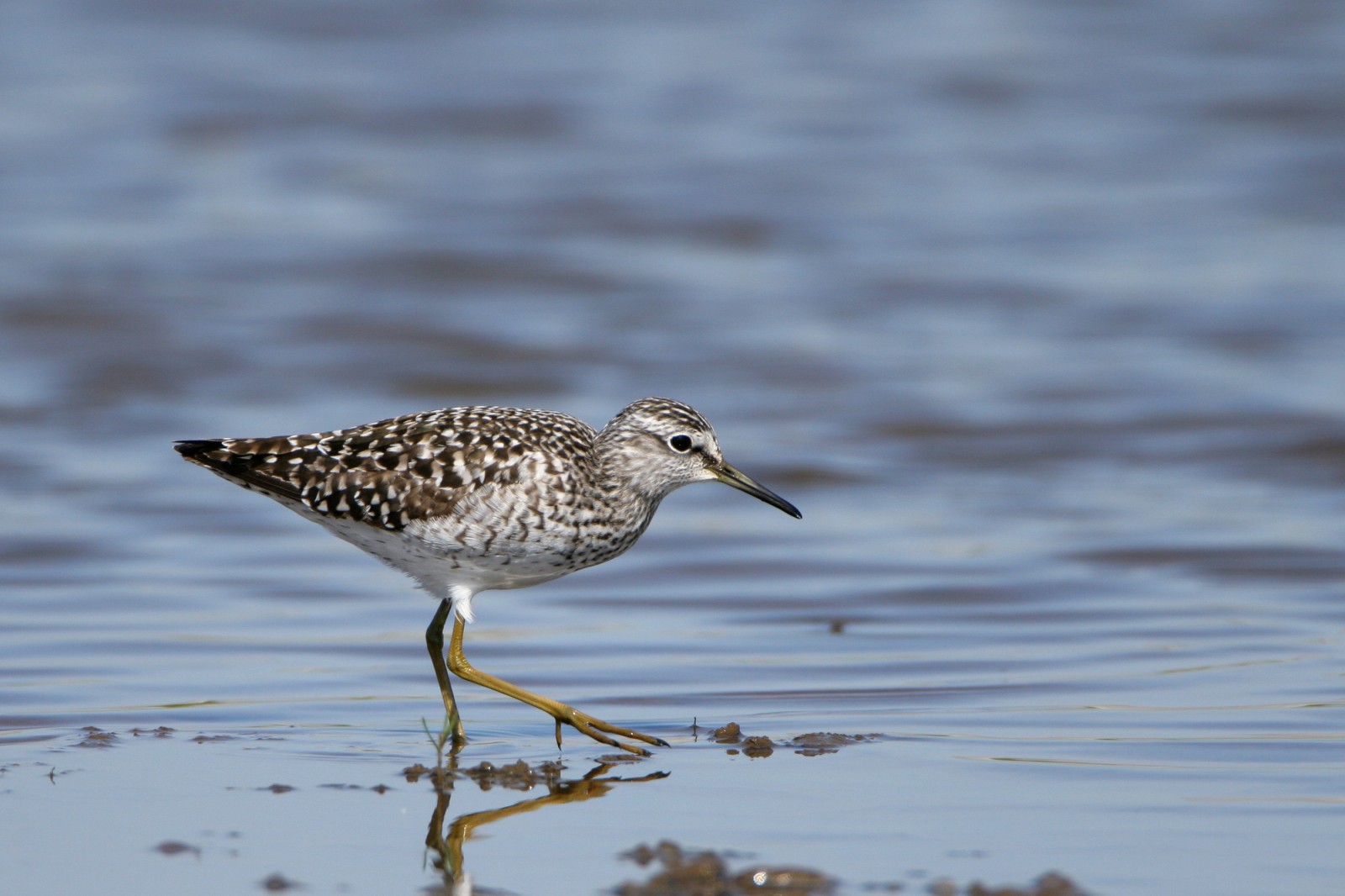
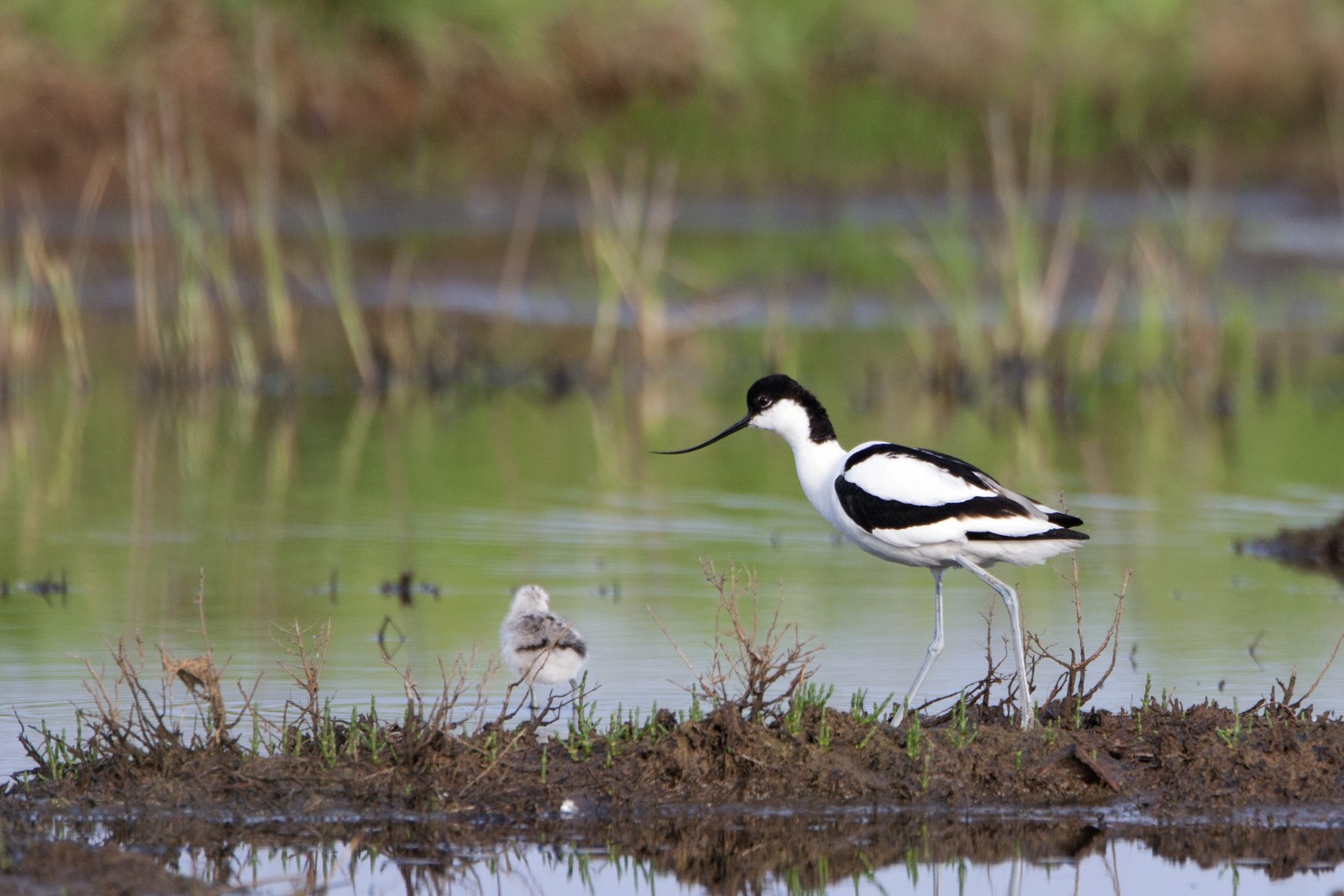
In spring and summer, Marzaiola may be seen here and Avocetta arrive back in large numbers to set up homes on the scrapes. The site comes into its own during spring and autumn wader passage, when a huge selections of wading birds may be found. Usual suspects include Piovanello pancianera, Corriere grosso, Gambecchio comune, Piovanello comune, Voltapietre, Piovanello tridattilo, Piovanello maggiore, Combattente, Piro piro piccolo, Piro piro culbianco, Piro piro boschereccio, Pettegola, Pantana and Totano moro. There is always a chance of finding something rarer too, such as Piovanello pettorale, Gambecchio nano and Cavaliere d'Italia!
Continuing on the rare birds front, the site has been host to a Sterna maggiore several springs in a row, while Voltolino have also been found here when the water levels are low enough. The site also attracts rarer herons such as Airone guardabuoi and even Nitticora! There's plenty to be seen at Potter Heigham Marshes, making it a site well worth a visit while it is in its prime.
Dettagli
Accesso
Park at the Potter Heigham Village Hall or near the Church, and walk down Marsh Lane to access the site. It is quite a long walk (about 4 km), so be prepared for this though.
Terreno e habitat
Zona umida , Prateria/pascolo , CannetiCaratteristiche dell’area
Terreno piano , Paesaggio apertoPercorso ad anello
NoÈ utile un cannocchiale?
Può essere utileBuona stagione per il BW
Tutto l'annoMiglior periodo per visitare
Migrazione primaverile , Migrazione autunnalePercorso
Sentiero stretto , Strada sterrataGrado di difficoltà del percorso a piedi
Difficoltà mediaModalità di accesso
A piediCapanno/torretta di osservazione
NoInformazioni aggiuntive
The site will eventually become reedbed, so its attractiveness to wading birds will dwindle over the next few years. It is worth a visit now while it is in its prime. The paths may be overgrown in some areas during the summer, so wear long trousers as ticks are in the area.
.jpg)
 ) per inserire i nomi delle specie nella tua lingua. I nomi delle specie verranno automaticamente tradotti per gli altri utenti!