Descrizione
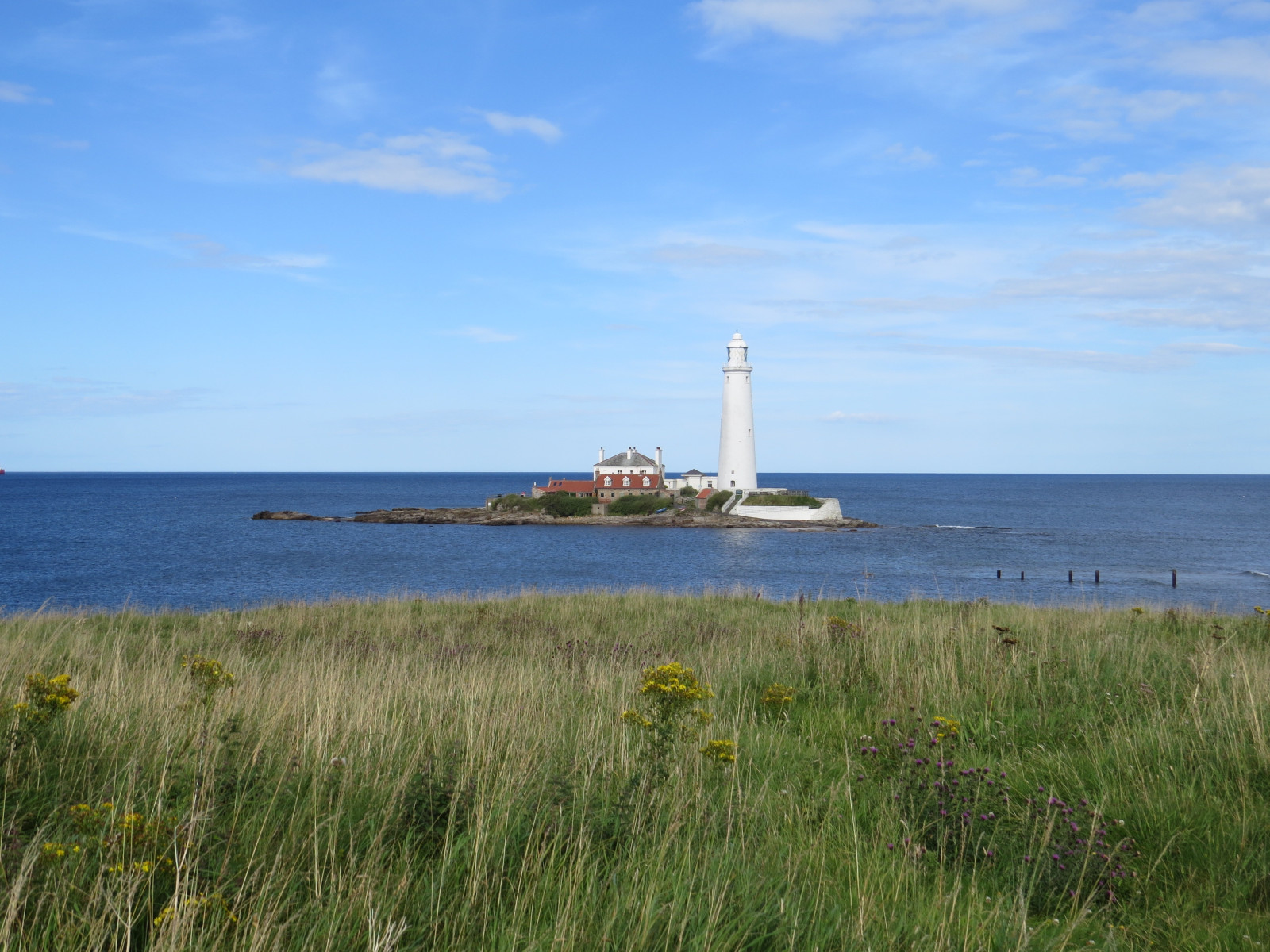
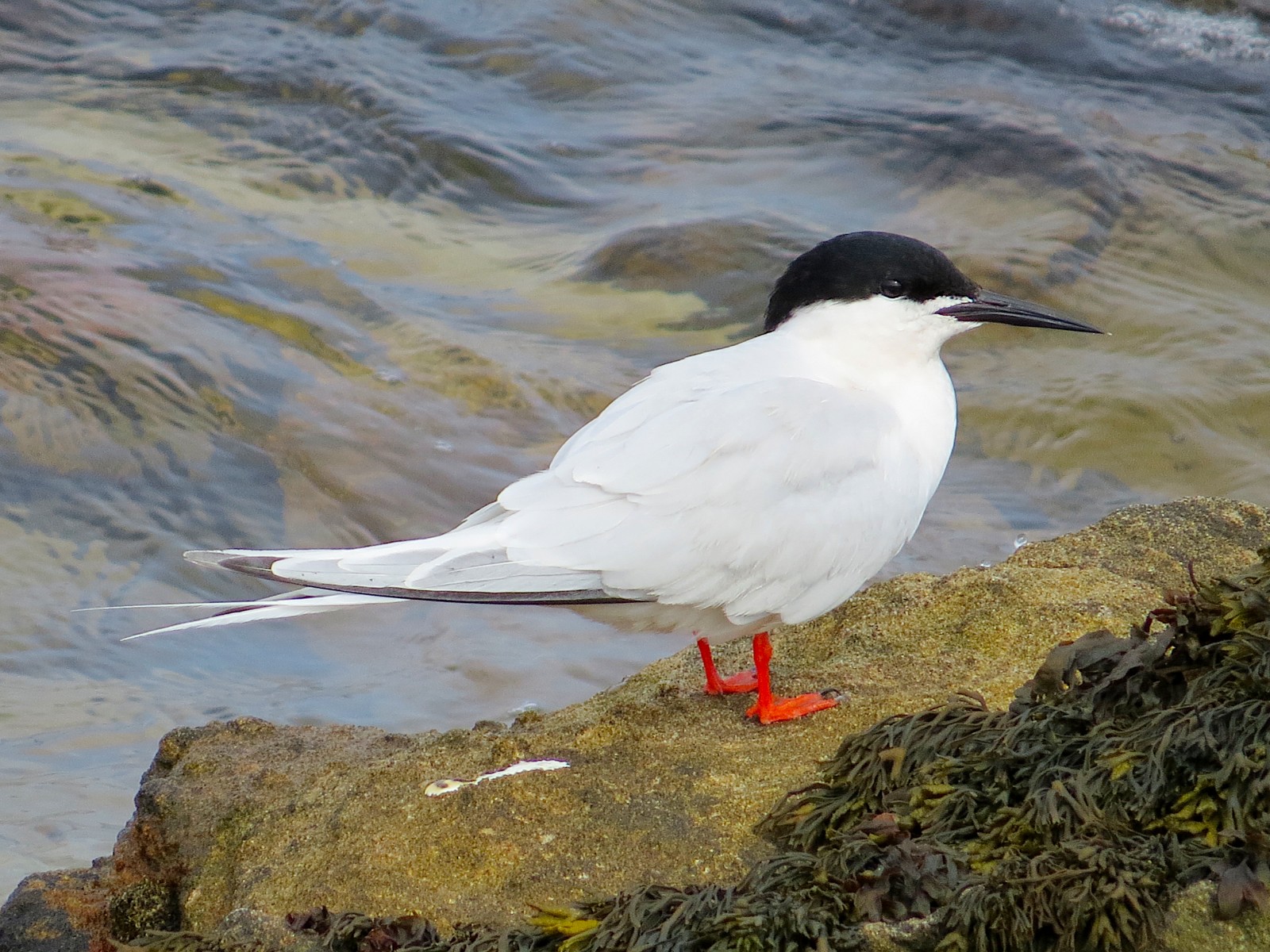
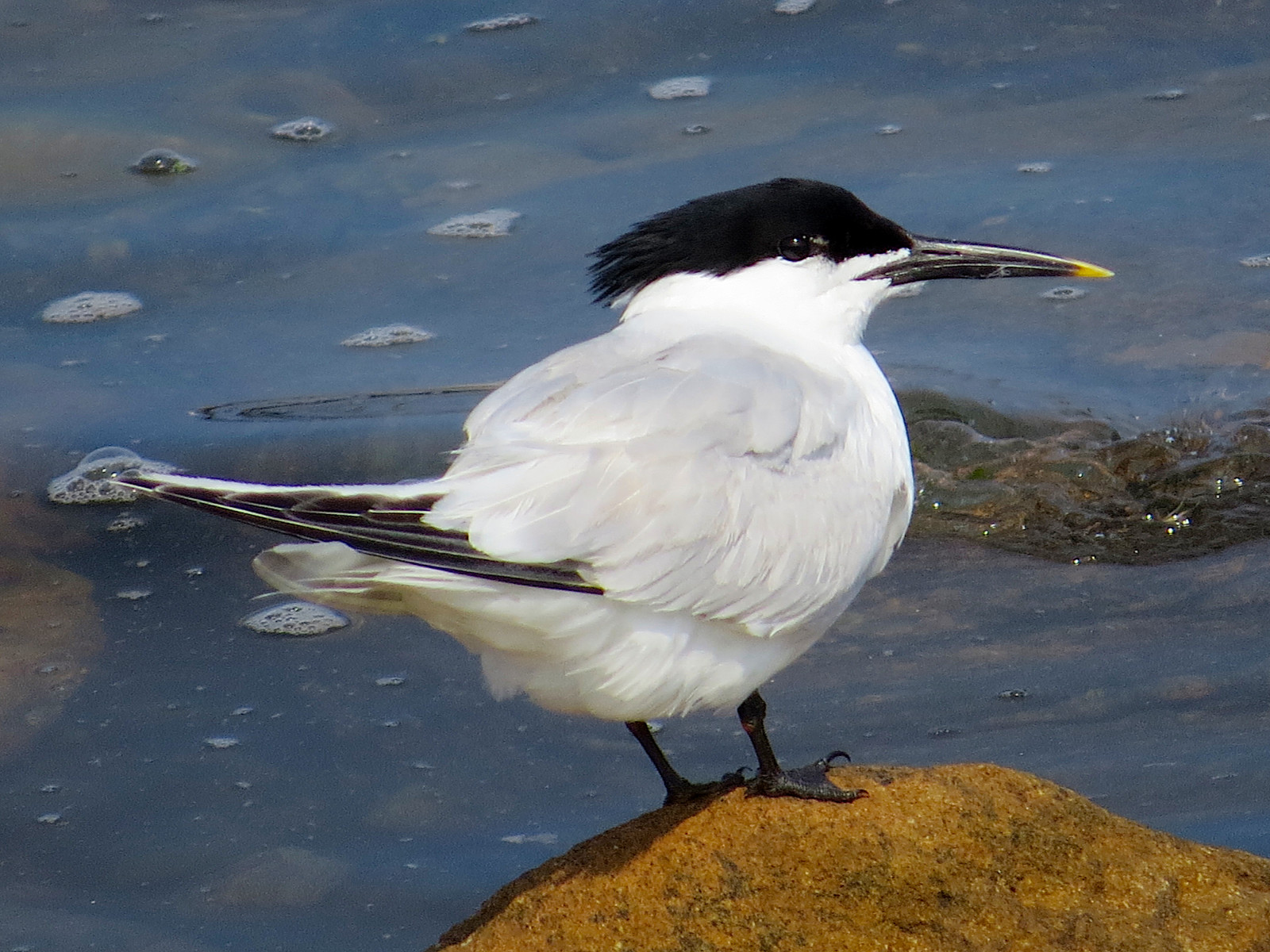
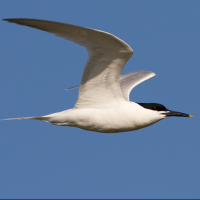
This site is excellent for seabirds, waders and passage migrants, and also a good lookout point for sea mammals. One of the most accessible places in Europe to see Sterna di Dougall close up as they gather here with other terns in July to September after breeding on nearby Coquet Island. A sea-watching hide on the island gives the chance to see a range of seabirds including regular Berta grigia, Berta minore atlantica, Stercorario maggiore, Pulcinella di mare, and many others including more rarely, Petrello di Fea superspecies, Berta maggiore, Berta dell'Atlantico, Uccello delle tempeste codaforcuta, and Stercorario mezzano and Labbo codalunga. The tidal areas attract good numbers of waders, with Piviere dorato the most numerous. In autumn, the coastal shrubs are as reliable as anywhere for Luì forestiero, Luì di Pallas, Bigia padovana, and other Siberian vagrants; rarer species have included Cannaiola di Blyth and Codazzurro. The nearby cemetery is also good for autumn passerines, including one of Britain's very few Luì bianco orientales.
Look out for colour-ringed birds! One Beccapesci had been over 10,000 km to Gansbaai in South Africa!
The tidal island is a regular haul-out for Grey Seals, and offshore, Common Porpoises, White-beaked and Bottlenose Dolphins are regular, while Minke and Humpback Whales have been recorded.
Dettagli
Accesso
Busses 308 and 310 from Newcastle to Blyth both pass within a few minutes walk of the site; also good cycle access. The main access to the island is suitable for all weathers, but some of the paths to other parts of the site can get muddy after heavy rain.
The island, closed for much of summer 2024, has recently reopened after the completion of essential maintenance work.
Terreno e habitat
Zona umida , Spiaggia , Velme , Terreni coltivati , Alberi e cespugli sparsi , Prateria/pascolo , MareCaratteristiche dell’area
Terreno piano , Non ombreggiato , Paesaggio apertoPercorso ad anello
SiÈ utile un cannocchiale?
Può essere utileBuona stagione per il BW
Tutto l'annoMiglior periodo per visitare
Inverno , Estate , Autunno , Migrazione autunnale , Primavera , Migrazione primaverilePercorso
Strada asfaltata , Sentiero ampio , Strada sterrata , Sentiero strettoGrado di difficoltà del percorso a piedi
FacileModalità di accesso
A piedi , BiciclettaCapanno/torretta di osservazione
SiInformazioni aggiuntive
The island is accessible from about 2 hours to 2 hours 30 minutes after high tide, until 2 hours before the next high tide. Take care not to get stuck over the tide, unless you intend to spend 4-5 hours seawatching! The visitor centre on the island has restricted opening hours, and is closed over the high tide; there are no facilities over high tide. See the link below for the actual tides table.
For terns and waders, a rising tide is best; watch from the promenade between 3 and 2 hours before high tide.
 ) per inserire i nomi delle specie nella tua lingua. I nomi delle specie verranno automaticamente tradotti per gli altri utenti!