
Descrizione
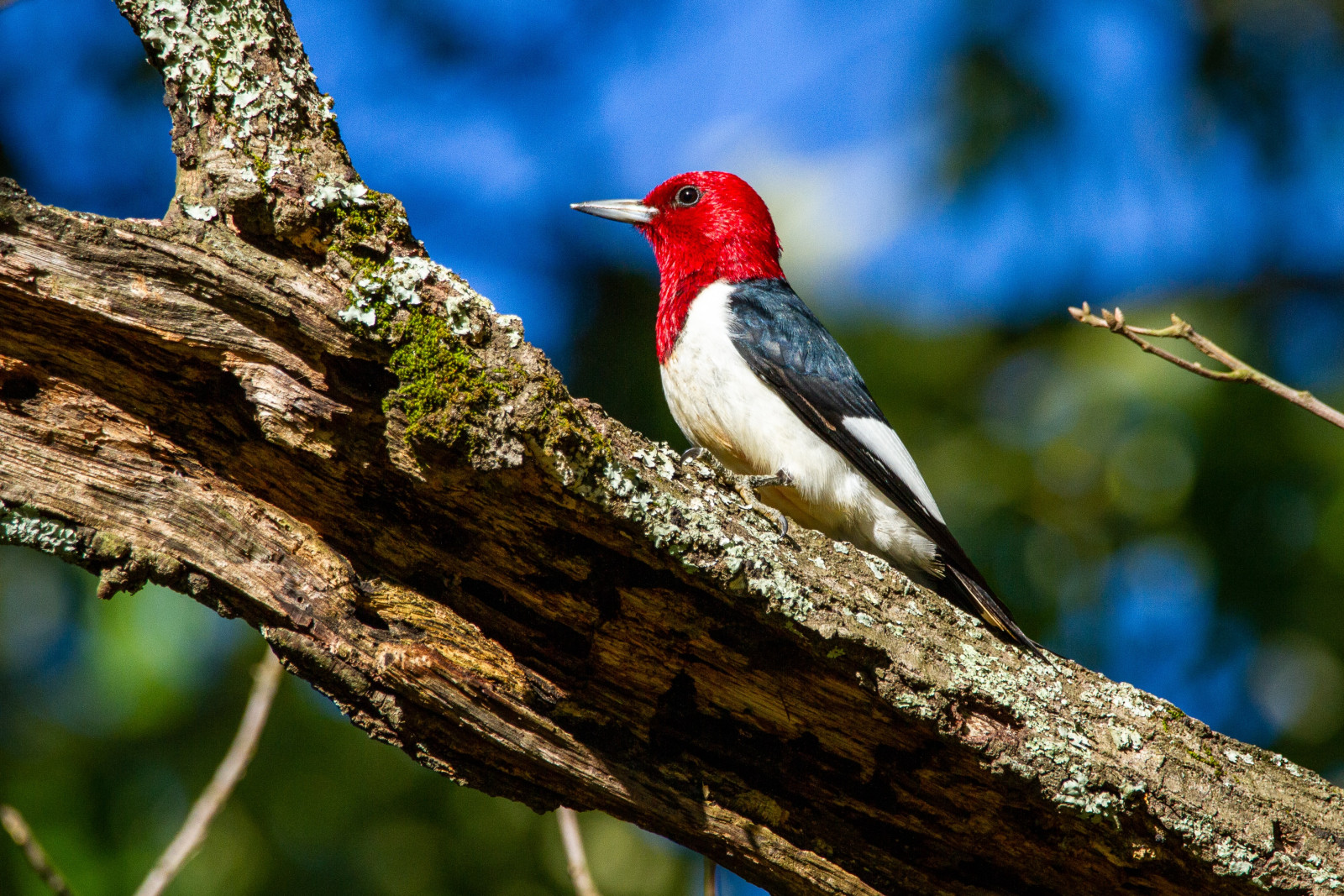
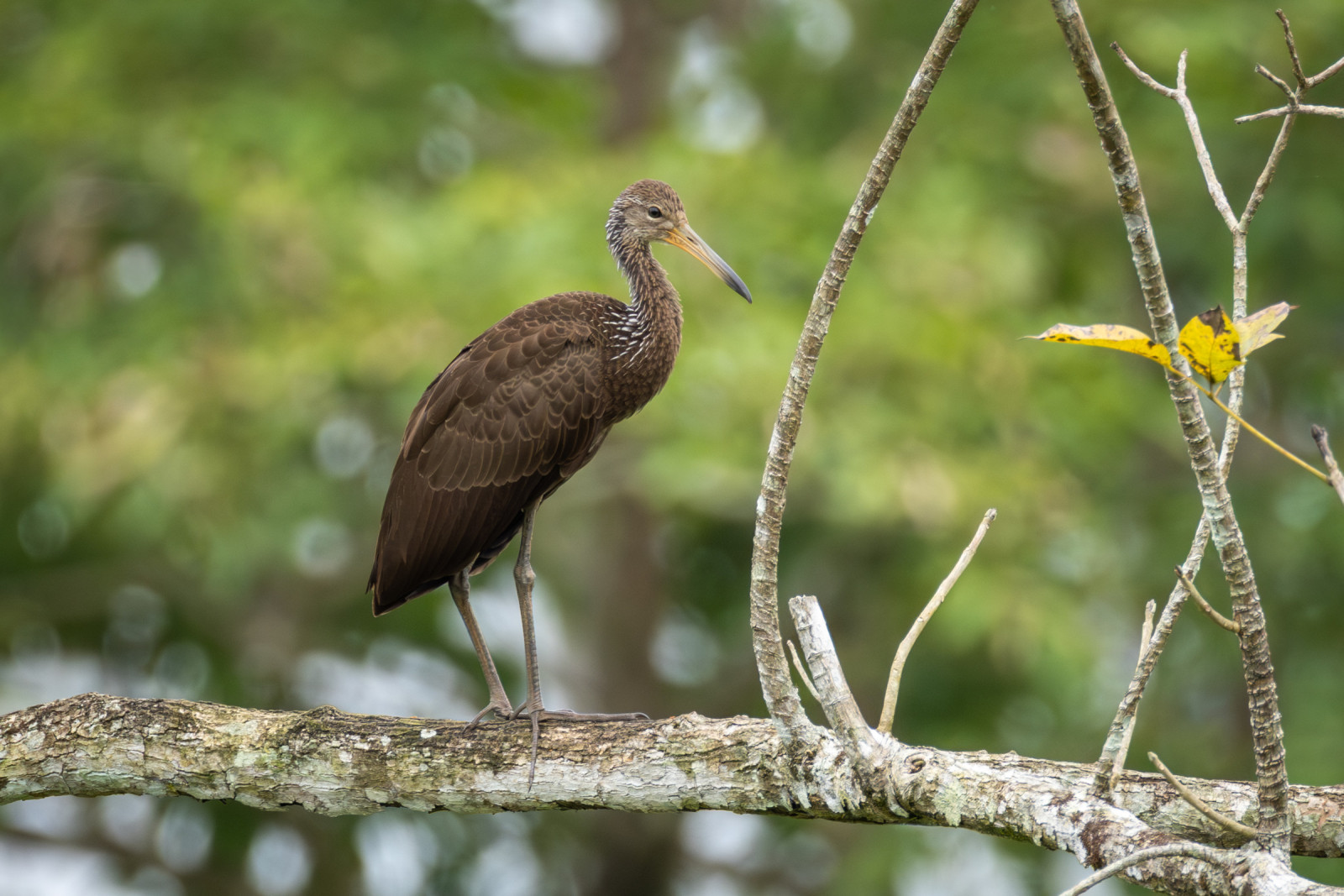
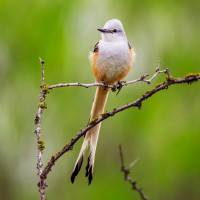
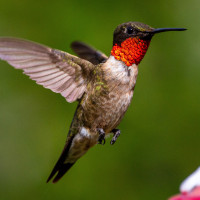
Oxley Nature Center features lowlands, wetlands, a wooded lake which holds two sizeable islands and oak woodland with open prairie fields. Bird Creek borders the park and freshwater marshes are at the interior. It's an EBird hotspot with 270 species such as Limpkin, six woodpecker species (including Red-headed Woodpecker and Pileated Woodpecker), four Tyrant flycatchers (including Scissor-tailed Flycatcher), Eastern Bluebird, Blue-grey Gnatcatcher, Wood Duck, American White Pelican, Cedar Waxwing, American Woodcock, Indigo Bunting, Field Sparrow, Ruby-throated Hummingbird, Prothonotary Warbler, orioles, herons, egrets and a few warblers. Boardwalks, trails, and viewing blinds are throughout the park.
Dettagli
Accesso
Oxley Nature Center is in Mohawk Park at the north end of Tulsa. You can park in the Center parking lot. Click on the P in the map for directions. The trails are accessible for walking and hiking. Many trails and boardwalks are wheelchair accessible. Bikes are prohibited. Opening hours gate and parking lot daily 8:00 a.m. - 5:00 p.m. (except most City holidays). Hiking trails are accessible during Mohawk Park hours, 7:00 a.m. - 9:00 p.m. Admission to Oxley Nature Center is free. There is a parking fee of $ 2 per car to enter from April 1 to October 31. These fees apply only on weekends and holidays.
The circular walking route indicated on the map is about 2 miles.
Terreno e habitat
Alberi e cespugli sparsi , Prateria/pascolo , Zona umida , Pianura , ParcoCaratteristiche dell’area
Paesaggio apertoPercorso ad anello
SiÈ utile un cannocchiale?
Può essere utileBuona stagione per il BW
Tutto l'annoMiglior periodo per visitare
Migrazione primaverile , Inverno , Primavera , Migrazione autunnale , AutunnoPercorso
Strada asfaltata , Sentiero ampio , Strada sterrata , Sentiero strettoGrado di difficoltà del percorso a piedi
Difficoltà mediaModalità di accesso
A piedi , Sedia a rotelleCapanno/torretta di osservazione
SiInformazioni aggiuntive
The seasonal variation of species migration overlaps with residents. Warbler migration and overwintering Limpkins make multiple birding trips worthwhile throughout the year.

 ) per inserire i nomi delle specie nella tua lingua. I nomi delle specie verranno automaticamente tradotti per gli altri utenti!