Beschrijving
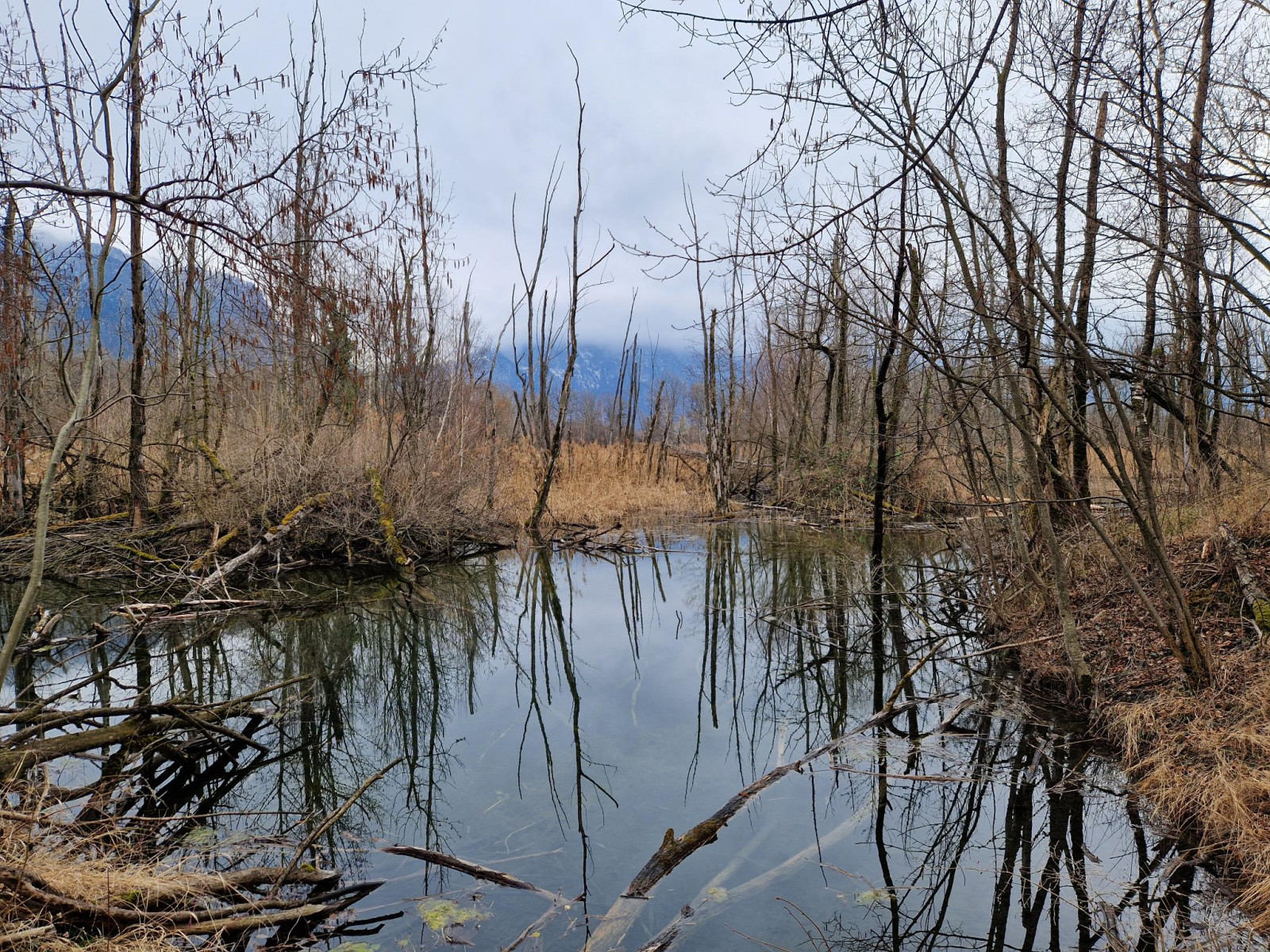
The valley of the Rhine, which originates in Grisons / Graubünden, has been entirely cultivated and is intensively used in this canton; wetlands and alluvial forests are almost completely absent. The 7-hectare area of "Siechenstuden" (also known as "Siechastuden", "Siechastuda") is a rare exception. Two mountain streams cascade down the slopes here; a high, artifical embankment protects the area from their destructive force, but it is still supplied with water. Inside the embankment, there is a peaceful riverbed, gravel banks, several artificial ponds, reed beds, shrubs, abundant deadwood, and an area resembling an alluvial forest which turns into a deciduous and then coniferous forest further from the marsh. This location is particularly interesting for toads, frogs, and newts, but also attracts water-associated birds—most notably those stopping here for rest after their strenuous Alpine crossing in spring.
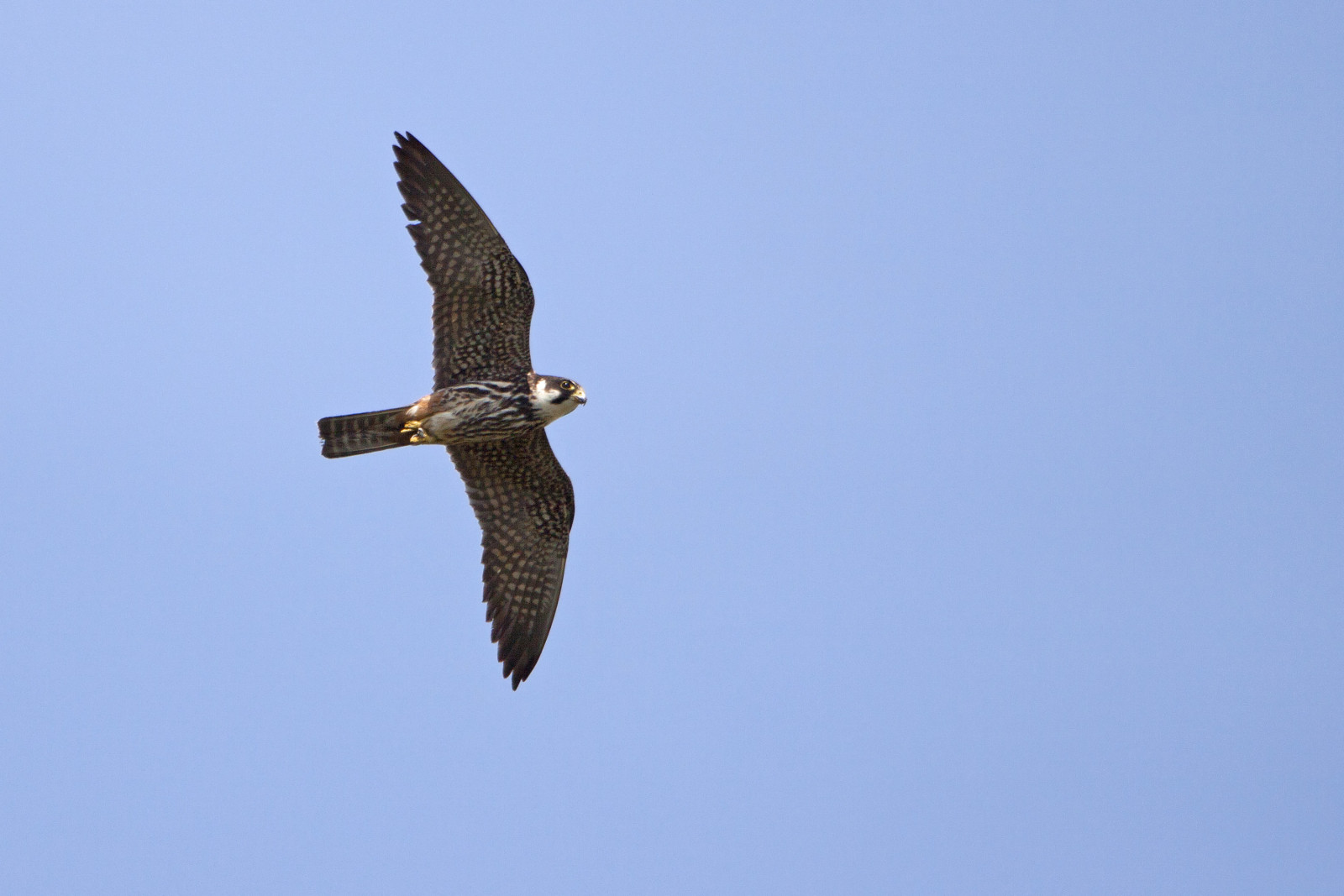
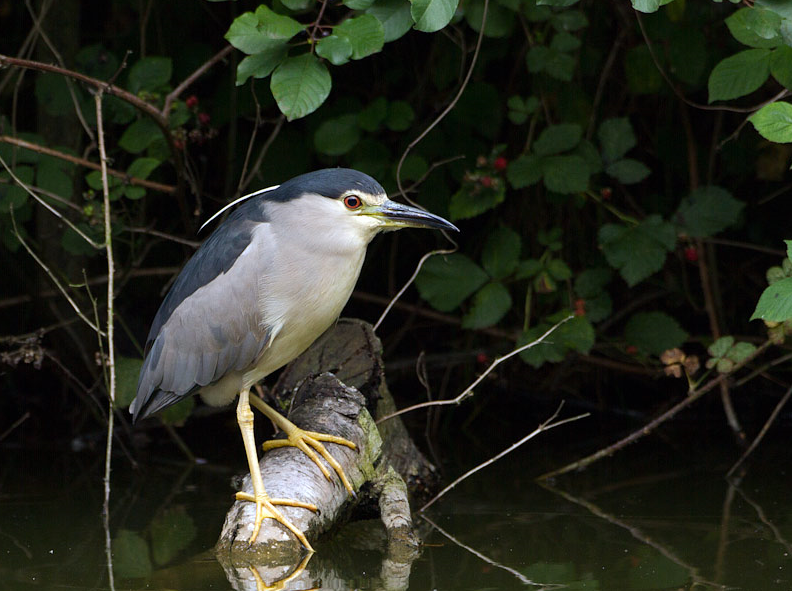
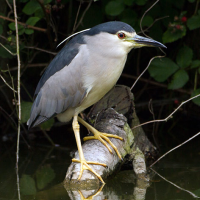
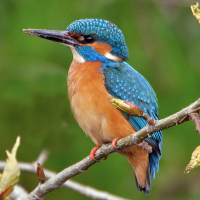
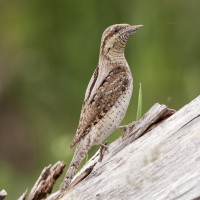
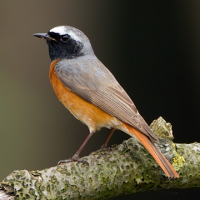
Over 180 species have been recorded in Siechenstuden. Boomvalk, IJsvogel, Holenduif, Koekoek, Kwak, Sperwer, Bruine Kiekendief, Draaihals, and Kleine Bonte Specht are among the sought-after species that are regularly observed, along with the Witgat during migration periods and the Grote Zilverreiger and Pijlstaart in winter. Additionally, the site has hosted rarer guests such as Spotvogel, Klein Waterhoen, Lepelaar, Roerdomp, Woudaap, Temmincks Strandloper, Grauwe Kiekendief, and Kleine Strandloper, proving that many surprising observations are possible during migration. One of only three recorded observations of the Kleinste Jager in the canton was also made at Siechenstuden.
Details
Toegang
The area can be reached on foot within half an hour from Maienfeld. The nearest bus stop is Jenins, Sonne, from which there is a 15-minute walk to Siechenstuden. Small parking spaces are available at the entrances (please avoid using the area west of the site). The area can be viewed from a path running along the top of the embankment and another crossing through the site. The best viewpoint is from this middle path, which leads over a small hill with a bench. The access is steep, and only part of the path is wheelchair accessible.
Terrein en leefgebied
Bos , Wetland , Rietvelden , Verspreide bomen en struiken , Grasland/weide , VijverOmstandigheden
Vlak , HeuvelachtigRondlopende wandeling mogelijk?
JaTelescoop meenemen?
NeeWanneer hier vogels kijken?
Het hele jaarToptijd voor dit gebied
VoorjaarstrekRoute
Smal pad , Breed padZwaarte wandeling
GemakkelijkToegankelijk via
Te voet , RolstoelVogelkijkhut aanwezig?
NeeExtra info
Given its small size, visiting the site does not require much time. It can easily be combined with a detour to the vineyards near Malans or Maienfeld (see the corresponding entry on this page).
"Siechastuda“ means "place (or maybe "bushes") of the sick“; in the past, sick people were banished from the village to this area. It is telling that nowadays the animal species that used to own the Rhine valley are confined here…
 ) om vogelnamen snel in te voeren via een aanklikbare lijst.