Beschrijving
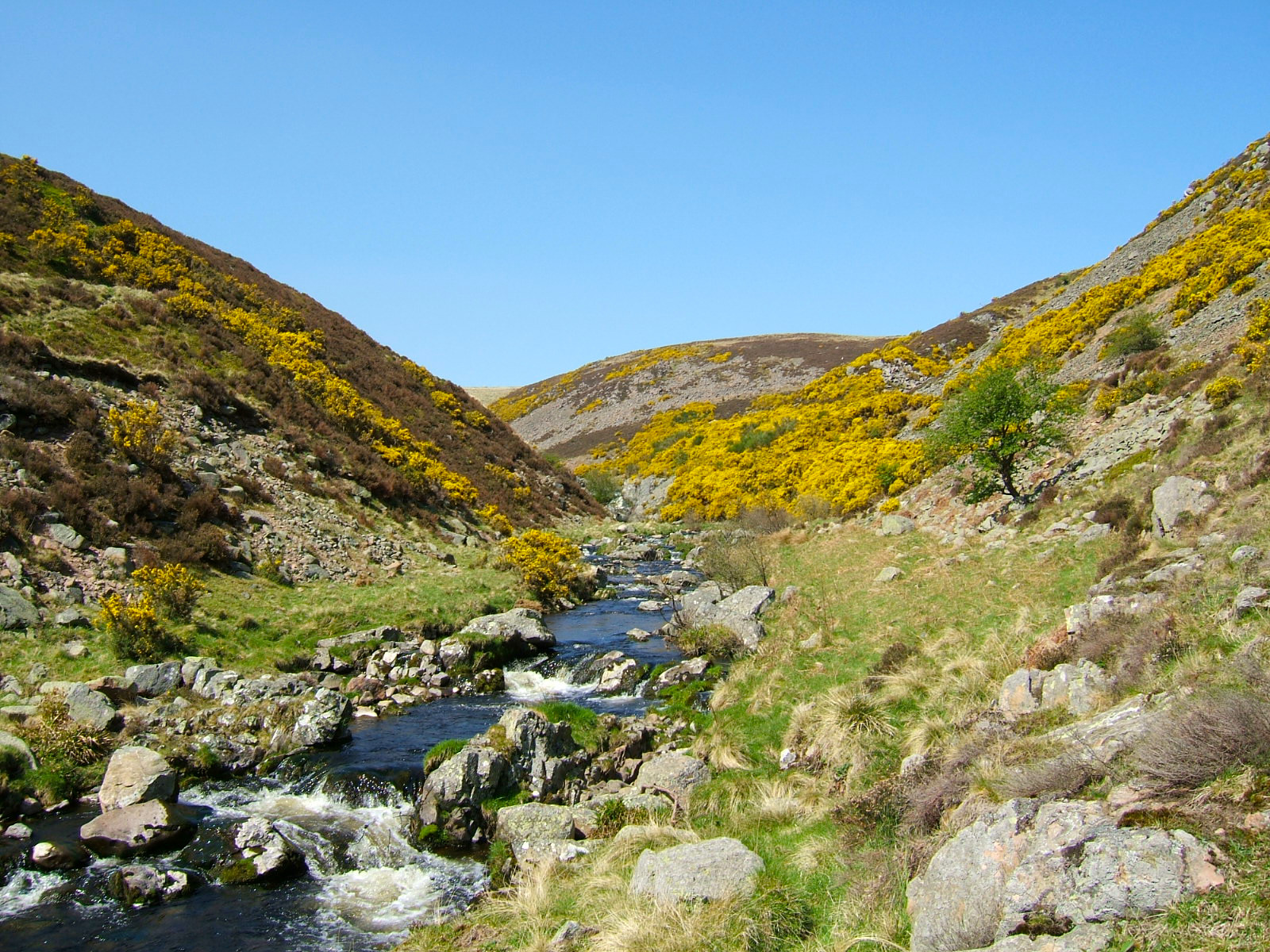
The Harthope is one of Northumberland's best upland valleys, with a mix of semi-natural Alder-Oak-Birch-Hazel woodland, Hawthorn scrub, sheep-grazed grass, and higher up, heather moors and some rocky crags and scree. The highest ground, on The Cheviot (815 m), is topped with blanket Sphagnum bog. If you are very lucky, the strenuous climb to the top may be rewarded with Morinelplevier on migration in May or September.
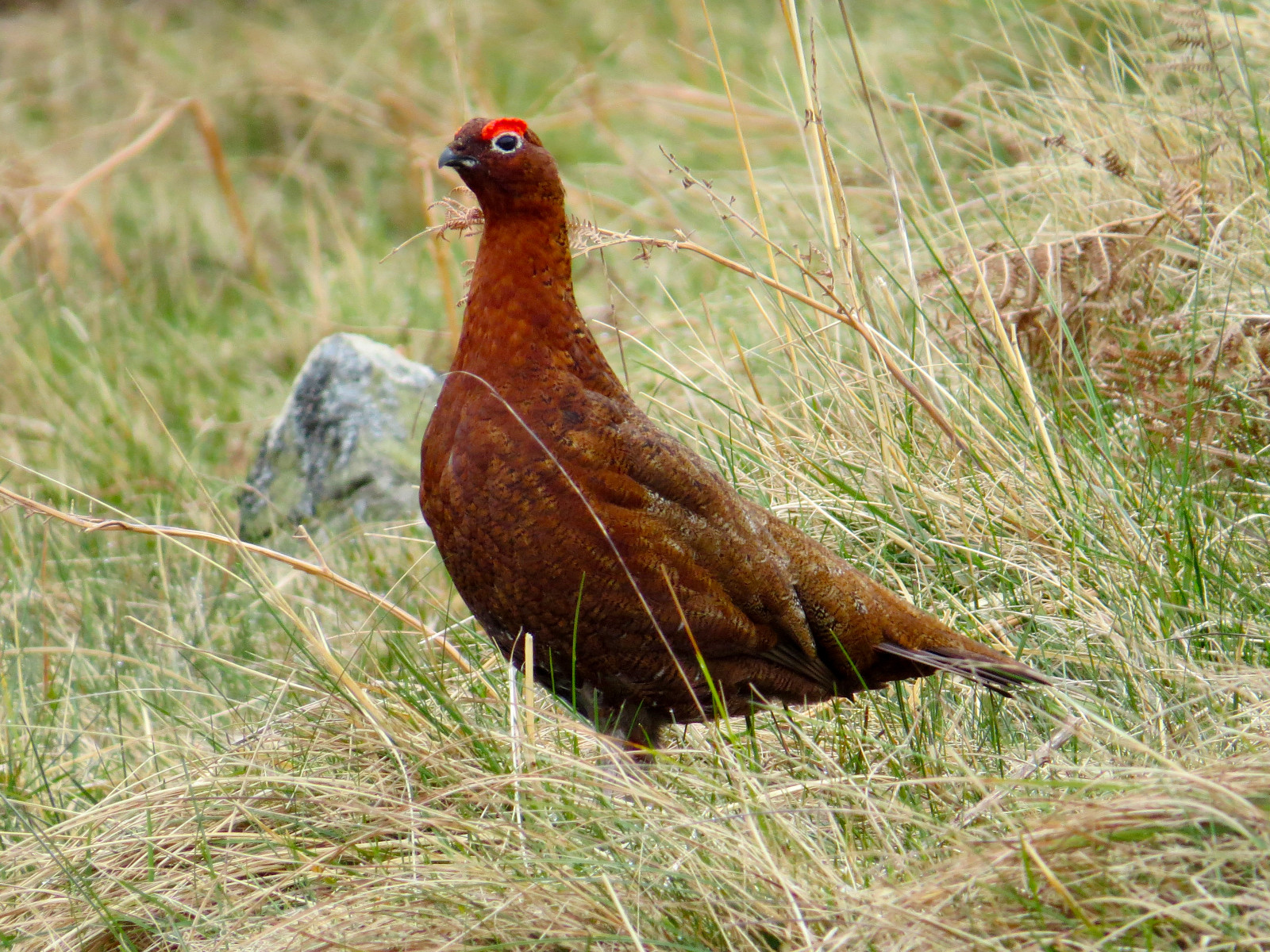
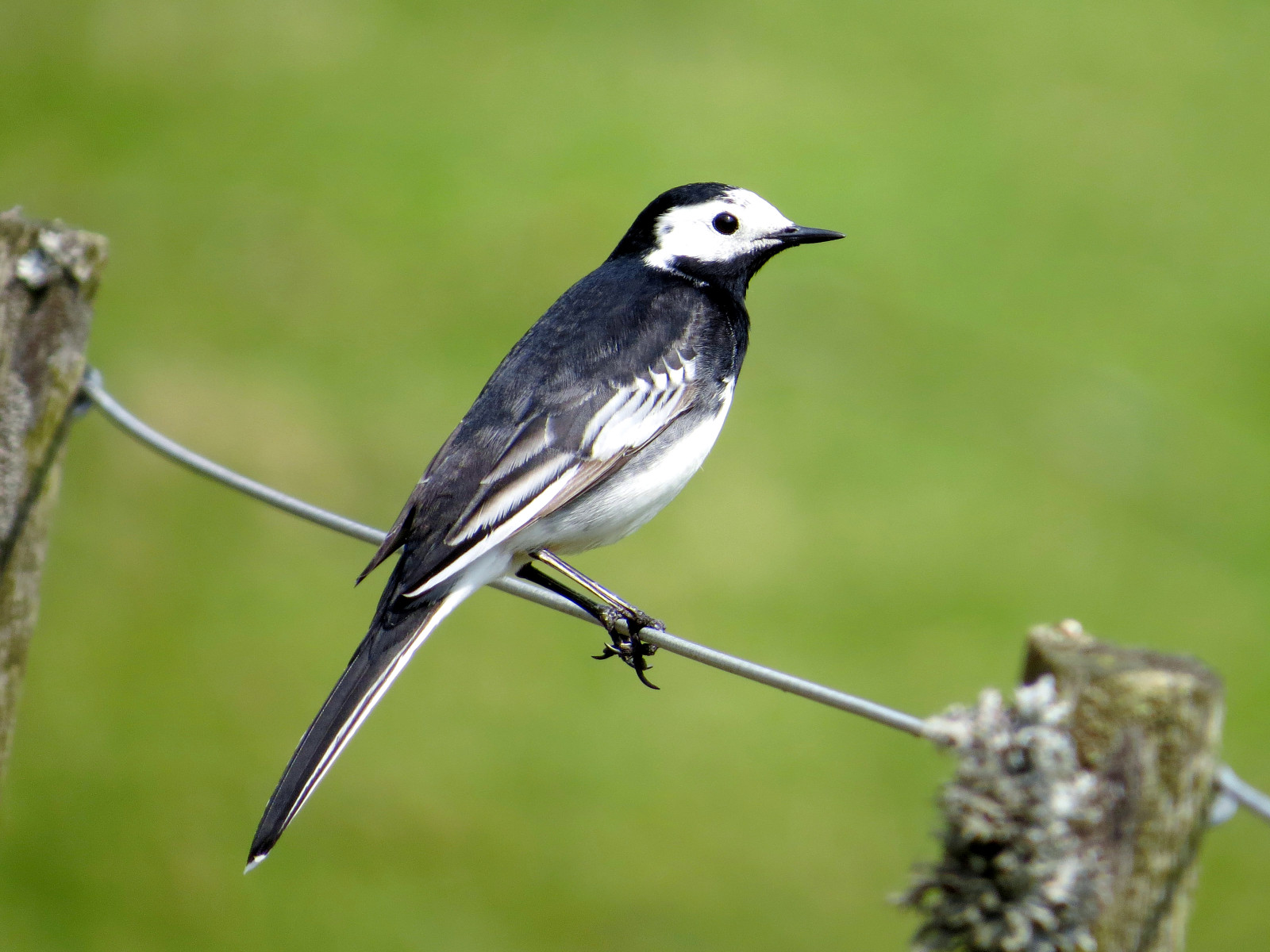
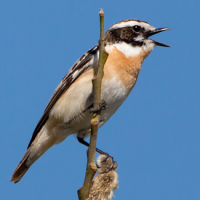
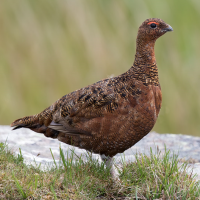
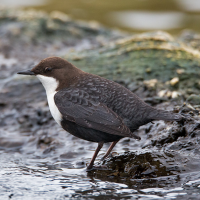
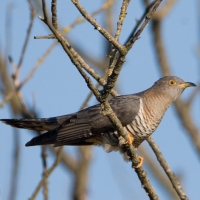
In the higher, steeper parts of the valley, Beflijster breed, together with Tapuit. Large numbers of Graspieper (the commonest bird here!) and Veldleeuwerik breed on the more open grassy slopes. The heather moors have large populations of Schots sneeuwhoen, sadly now managed for shooting; shooters also release large numbers of Rode Patrijs and Fazant every year, likely with major detrimental effects on native ground-nesting birds. The lower slopes and woods hold Groene Specht and Koekoek, and Roodborsttapuit is a recent colonist with milder winters allowing their survival. Warblers include Fitis, Tjiftjaf, Tuinfluiter, Zwartkop and Grasmus. Few waders are present, but Houtsnip are resident in small numbers and Scholekster and Oeverloper breed along the Harthope Burn; there are also good numbers of Waterspreeuw and Grote Gele Kwikstaart on the burn.
Sadly, the site has not escaped the general declines in so many species; several have disappeared or become very scarce in recent years. Boompieper, Bonte Vliegenvanger, Glanskop and Fluiter have all been lost or become hard to find, and even Gekraagde Roodstaart and Paapje are much harder to find than just a few years ago. Raptors too have also become less easy to find, with just a few Buizerd and the odd Raaf, while Blauwe Kiekendief and Slechtvalk have largely disappeared, probably due to illegal persecution related to the grouse shooting.
Like most upland sites, the area is bleak in winter, though deep snow seems to be largely a thing of the past. Despite this, good numbers of Koperwiek and Kramsvogel can be found, and the Birch and Alder woods attract Kleine Barmsijs and Sijs additional to the resident breeding numbers.
Details
Toegang
Unfortunately, only accessible by car; no public transport nearby. Steep slopes on the road in make the site difficult for cyclists. Click on a P in the map for directions.
Terrein en leefgebied
Bos , Berg , Kloof/klif , Verspreide bomen en struiken , Grasland/weide , Hoogvlakte , Dal , Veen/heide , RivierOmstandigheden
Bergachtig , Vlak , Nat , Heuvelachtig , Rotsachtig , Open landschapRondlopende wandeling mogelijk?
NeeTelescoop meenemen?
Kan handig zijnWanneer hier vogels kijken?
Lente , ZomerToptijd voor dit gebied
LenteRoute
Verharde weg , Breed pad , Onverharde weg , Smal padZwaarte wandeling
PittigToegankelijk via
Te voet , AutoVogelkijkhut aanwezig?
NeeExtra info
This is one of the best places in Northumberland to see Adders (Vipera berus), Britain's only venomous snake, though they are not easy to find. Cool but sunny days in spring offer the best chances, when they come out into the open to bask in the sun. For their (and your own!) safety, do not touch them. Other 'non-birds' to look for include Common Toad, Roe Deer and Brown Hare.
 ) om vogelnamen snel in te voeren via een aanklikbare lijst.