Beschrijving
Surprisingly, given its proximity to Norwich city centre, Thorpe St. Andrew's Broad (locally referred to as Thorpe Marshes) is an excellent place to see a variety of bird species, some of which you might not expect in such an urban setting. The reserve consists of a short circular walk, including a viewpoint over the lake, and bridge crossing a railway to access the reserve.
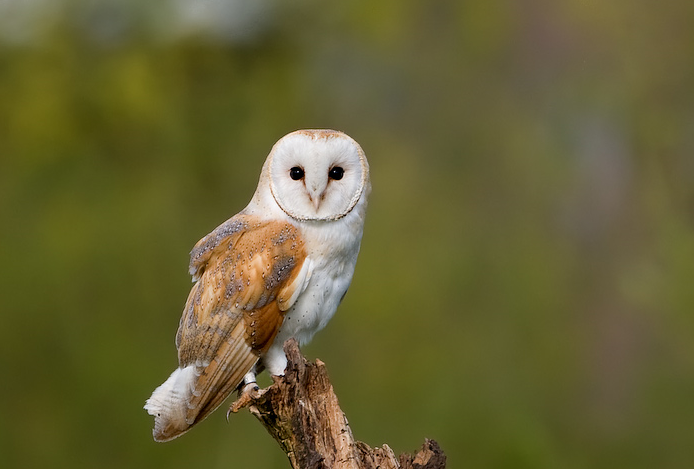
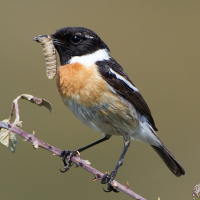
Throughout the year, Thorpe Marshes is home to a variety of common wetland birds including Knobbelzwaan, Wilde Eend, Krakeend and Fuut. The reedbed holds Cetti's Zanger and Rietgors, while Roodborsttapuit may be adorning the tops of bushes in the marshland area. The river offers chances to see IJsvogel on any visit to the site. At dawn and dusk, Kerkuil may be sighted hunting around the reserve.
In winter, the lake (broad) make hold Kuifeend, Brilduiker, Wintertaling, Slobeend and Dodaars. In periods of colder weather, Grote Zaagbek, Nonnetje and Geoorde Fuut may put in appearances for lucky spotters, as well as Roerdomp . The marshland will hold good numbers of Watersnip and even a few Bokje, although these will be difficult to find. A few Graspieper will also be found here.
It is sometimes worth wandering up the river to Thorpe Green, where familes feed the ducks and gulls. Have a look through groups of Kokmeeuw and Stormmeeuw for colour-ringed birds from eastern europe. Wildfowl including Nijlgans will also be seen here.
In spring, there is always a chance of finding a rarer visitor on the broad including Zwarte Zee-eend, Noordse Stern, Dwergmeeuw and Zwarte Stern, while Visdief are expected to be seen from April onwards. Large number of feeding hirundines congregate over the broad, including Oeverzwaluw, Boerenzwaluw and Huiszwaluw, usally joined by Gierzwaluw in May.
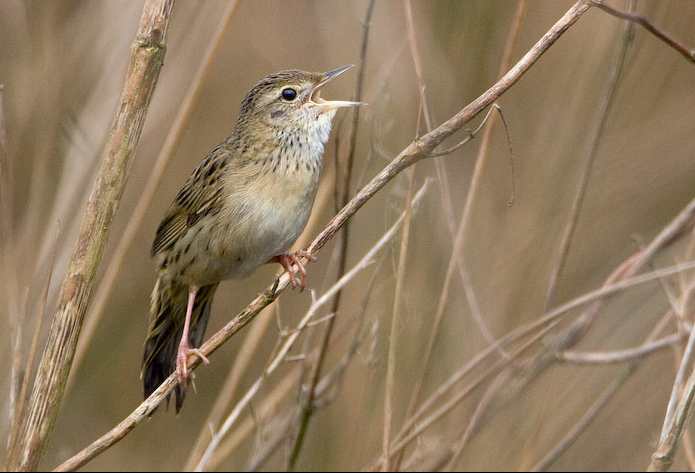
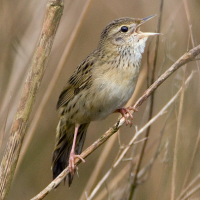
The marshland fills with the sound of singing warblers in April and May, including Zwartkop, Tjiftjaf, Rietzanger, Kleine Karekiet, Grasmus and smaller numbers of Fitis, Braamsluiper and even Sprinkhaanzangercan be heard! Both Bosrietzanger and Snor have been recorded at the site, but are very rare.
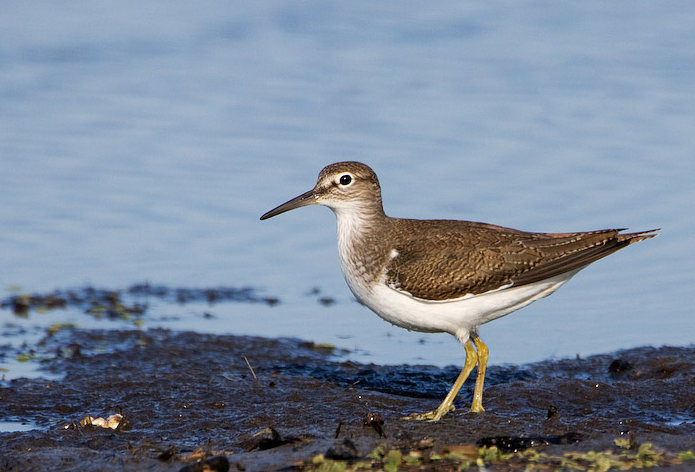
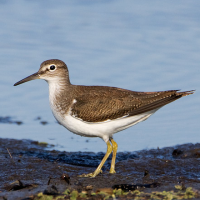
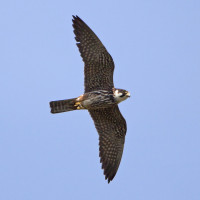
In the summer and autumn, Boomvalk may be seen feeding over the reserve, and expect large numbers of Grauwe Gans in the area. Waders may be found at the broad, including Scholekster and Oeverloper if the water levels are low. You may encounter the local Halsbandparkiet population at Thorpe Green, which are slowly increasing in the area.
Details
Toegang
To access the reserve, walk along Whitlingham Lane, located at the traffic light junction with Yarmouth Road. At the end of this short road there is a footbridge over the railway line which gives access to the reserve. Please note there is no parking on Whitlingham Lane. The site is easily reached via bus from Norwich city centre. The paths can often be muddy and flooded so wellingtons are recommended in the winter months.
 ) om vogelnamen snel in te voeren via een aanklikbare lijst.