Beschrijving
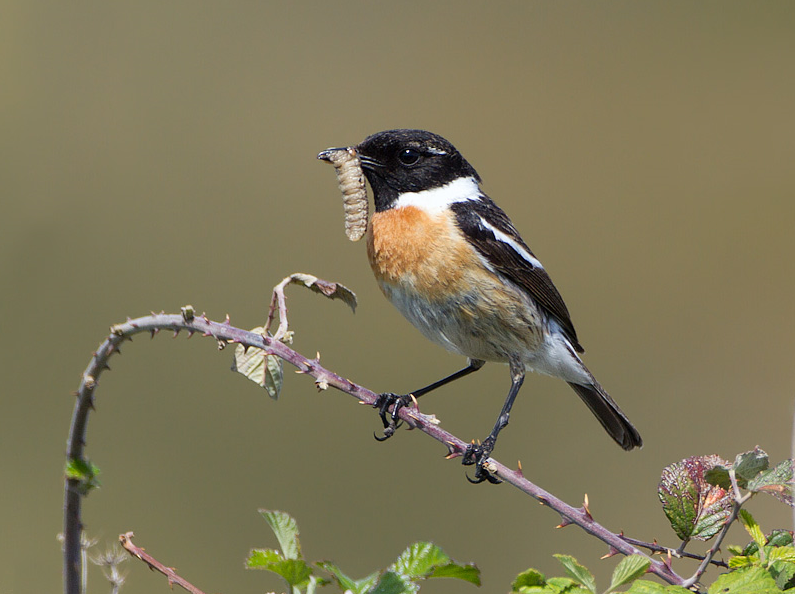
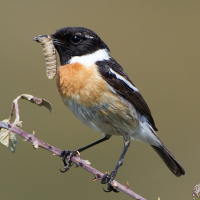
Winterton Dunes is an extensive coastal acidic heathland featuring a variety of scrubs and trees spread throughout. For birders, the site is a fantastic place to find rare and scarce migrant birds, as well as enjoy some of the spectacular wildlife of the east Norfolk coast. It can be hard work at times, but persistance pays off at this site. Throughout the year, you could find Roodborsttapuit and Geelgors in the dunes, alongside the usual common garden birds. Raptors frequent the fields inland of the dunes system including Bruine Kiekendief and Torenvalk.
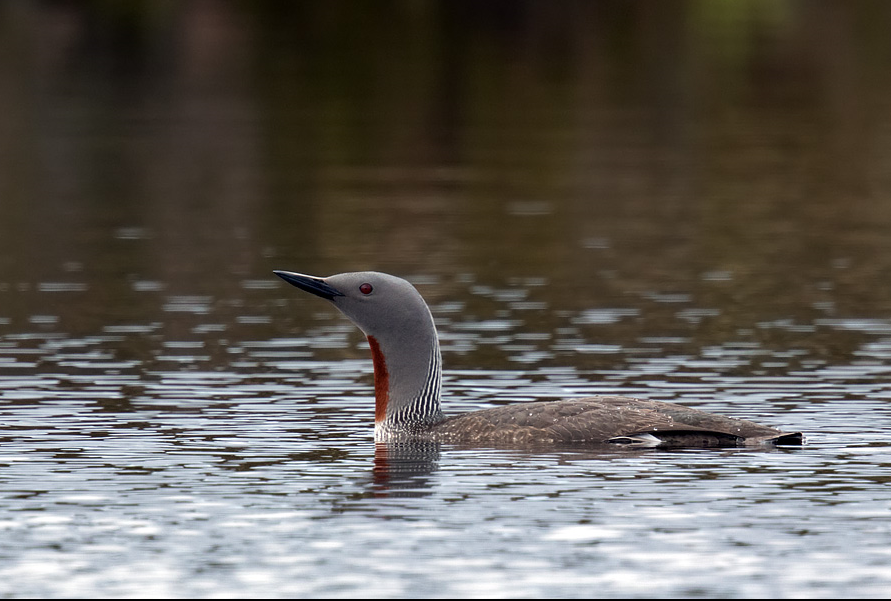
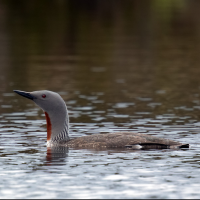
In the winter, a sea-watch may reveal large numbers of Roodkeelduiker as well as Zwarte Zee-eend and flocks of passing Rotgans. You may be lucky and encounter a Velduil or Blauwe Kiekendief hunting the dunes. The large Grey Seal colony here attracts gulls, and alongside the expected Zilvermeeuw and Grote Mantelmeeuw groups, you may be lucky and find a Pontische Meeuw or even Kleine Burgemeester or Grote Burgemeester! Expect to see waders like Steenloper and Drieteenstrandloper on the beach. The rocky groynes may hold Paarse Strandloper also. Look out for Sneeuwgors on the beach too!
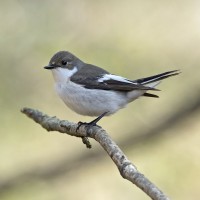
Spring passage can be hit a miss in east Norfolk, but you would normally expect to see a Zwarte Roodstaart and a few Tapuit to get the season going (from March onwards). Following this will be Zwartkop, Tjiftjaf, Fitis, Fitis and more. In April onwards, there may be Beflijster, Bonte Vliegenvanger and Gekraagde Roodstaart to be found. Following a good spell of easterly winds, you may be on for something rarer. Typcial spring scarcities (typcially May and June) might include Grauwe Klauwier, Bosrietzanger, Blauwborst, Spotvogel, Roze Spreeuw and even Bijeneter!
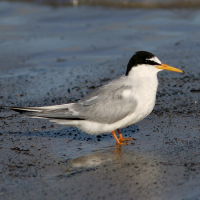
Summer still offers migration opportunites, as the waders continue to move throughout July and August. There is a colony of Dwergstern on the beach some years, but view them from a respectable distance. It is not impossible to find a Zwarte Stern or even a Dougalls Stern in the colony if you scan the colony carefully.
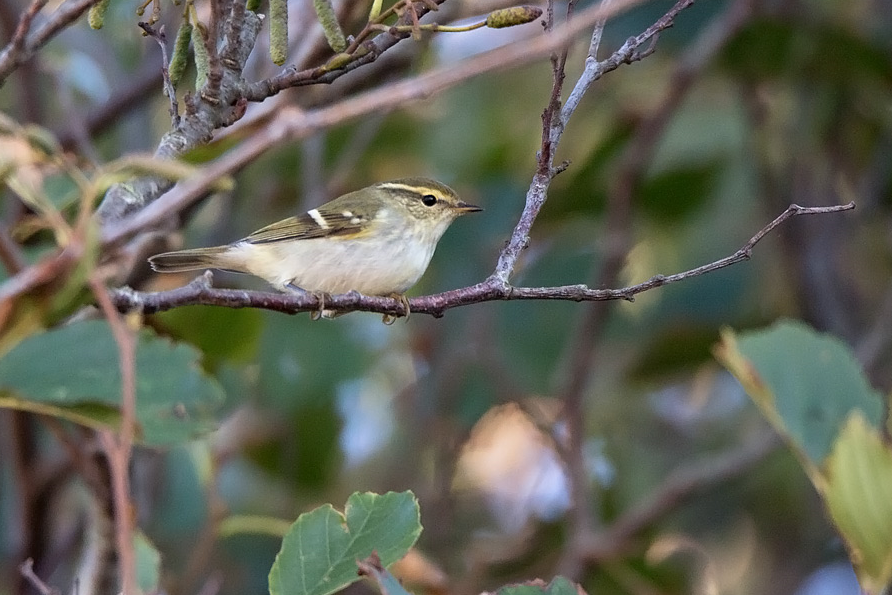
Autumn passage can be excellent here, and in the early part of the season (August to September), you might be lucky and find the likes of Draaihals, Spotvogel or Grauwe Fitis. A good passage of Bonte Vliegenvanger is expected, along with smaller numbers of Gekraagde Roodstaart. As the autumn progresses (September to November), the opportunities to find Bladkoning, Pallas' Boszanger, Sperwergrasmus, Kleine Vliegenvanger and other seasonal delights increases, especially after easterly winds. Common migrants will also be flooding back in like Koperwiek, Goudhaan, Vink and Houtsnip.
Sea-watching here is best in northerly or easterly winds, and these can bring Jan-van-gent, Drieteenmeeuw and Zwarte Zee-eend closer in shore. An experienced sea-watcher may be able to find divers, grebes, auks and up to four species of Skua! Stormy conditions in late autumn can bring Rosse Franjepoot, Vaal Stormvogeltje and large numbers of Dwergmeeuw. You never know what you might see, so always worth bringing a scope.
Details
Toegang
Park in the beach car park at Winterton Village, and you can easily explore the dunes from here.
Terrein en leefgebied
Zee , Duinen , Verspreide bomen en struiken , Veen/heideOmstandigheden
Vlak , Droog , Open landschap , StoffigRondlopende wandeling mogelijk?
JaTelescoop meenemen?
Kan handig zijnWanneer hier vogels kijken?
Het hele jaarToptijd voor dit gebied
Voorjaarstrek , NajaarstrekRoute
Breed padZwaarte wandeling
GemiddeldToegankelijk via
Te voetVogelkijkhut aanwezig?
NeeExtra info
This site is a popular dog walking area, and also experiences high numbers of beach-goers in the summer. You can get away from the crowds by heading further away from the village itself.
 ) om vogelnamen snel in te voeren via een aanklikbare lijst.