Description
Rockland Broad is a busy site, with plenty of visitors enjoying its paths, lovely views and boating opportunities, but for a birder, the site can be hard work. It does however, have its rewards for those who are lucky and put in the time and effort to make a visit.
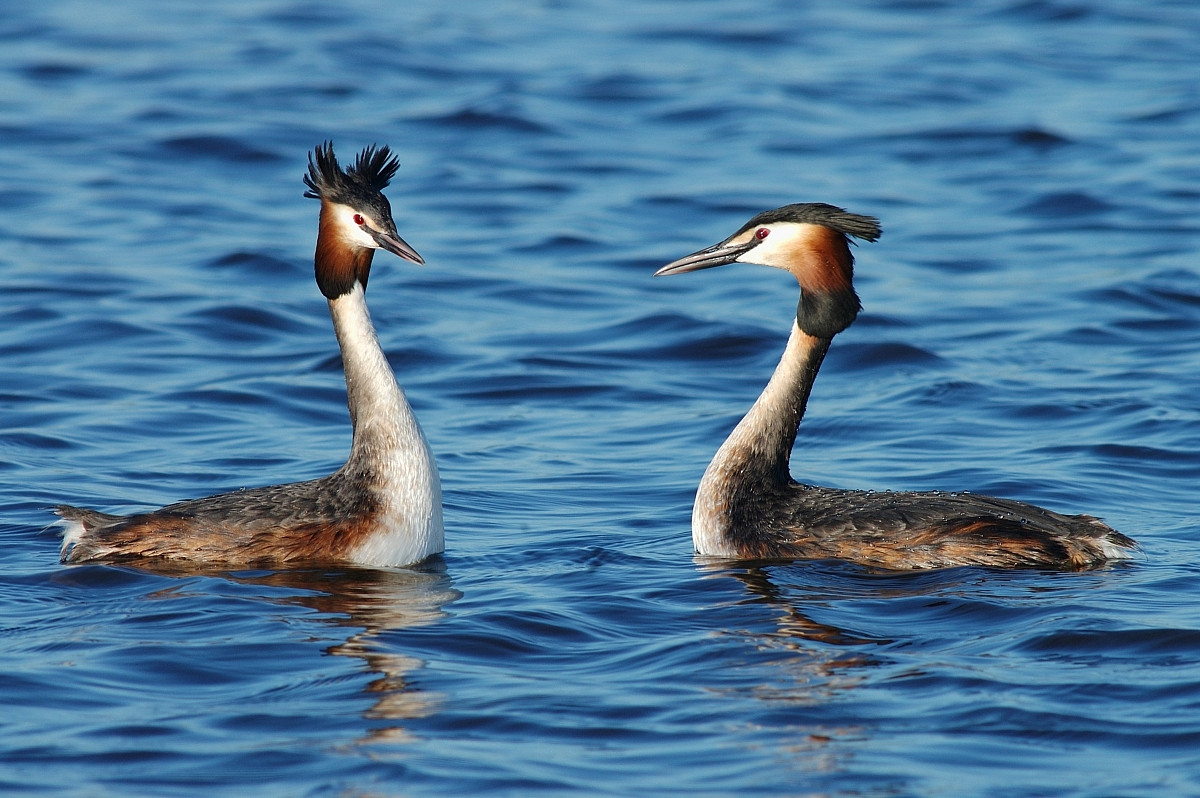
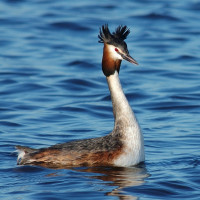
Throughout the year, Toppdykker and Knoppsvane can be seen on the lake, but other wildfowl is few and far between, possibly as a result of boat traffic. That said, Isfugl can be seen on most visits. The scrub surrounding the broad is great for Løvmeis, Gransanger and Trekryper. A tame Gråhegre may be seen, being fed by local fishermen by the dock. There are Cettisanger here too, but they are more often heard than seen. Keep an eye out for Dompap in the car park too.
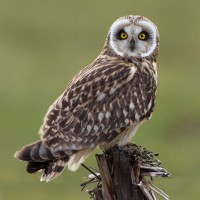
Winter can be unexpectedly quiet at Rockland, however, there is a chance of spotting a hunting Jordugle on the marshes to the east of the lake. Both Tårnugle and Sivhauk can be found there fairly easily too. In colder weather, check the lake for Laksand and potentially rarer visitors. Large flocks of Kortnebbgås may come over the reserve from Buckenham and Cantley on the north side of the river.
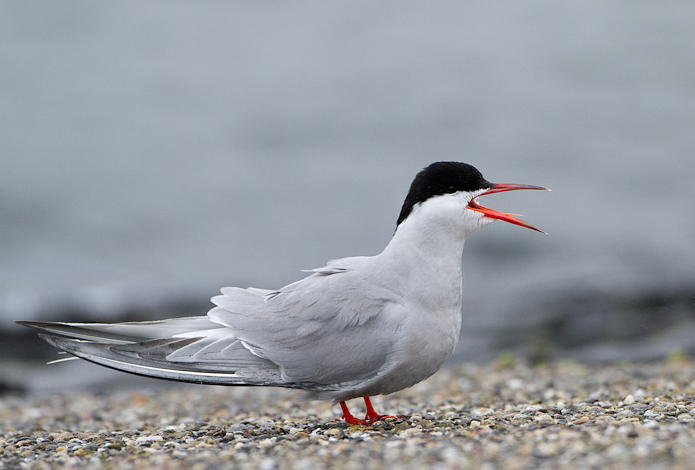
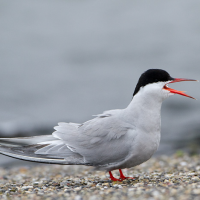
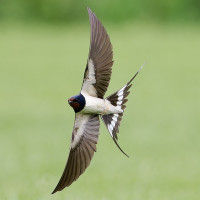
Spring is a bit more lively, especially as the terns and hirundines return. The broad attracted Makrellterne, Rødnebbterne, Svartterne and Dvergmåke most years, while large mixed flocks of Sandsvale, Låvesvale and Taksvale can be seen from the path going along the lake edge. You may hear and see Gjøk, Løvsanger and Munk while exploring the reserve's paths.
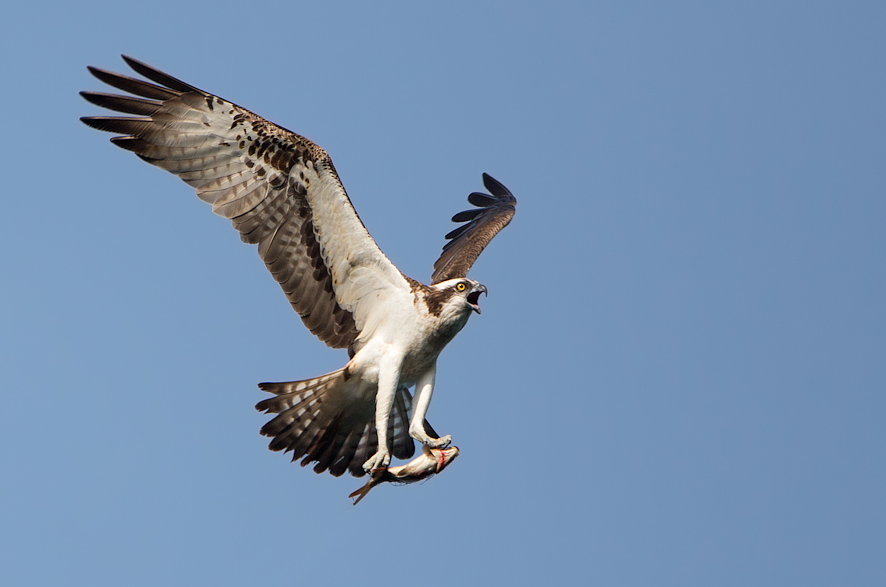
Summer is the best time to see Lerkefalk, but otherwise, the reserve may be fairly quiet for birds. You may find Strandsnipe along the river. Autumn may see the return of Fiskeørn to the reserve, which often stop at the site on their long journey back to their wintering grounds in west Africa. Check the treetops on the west side of the broad, as these are favoured perches. There have been a few rarities seen here in autumns past, including Hvitkinnsvartterne, Hvitvingesvartterne and Polarsvømmesnipe! It is always worth a check if you're in the area, especially after periods of rough weather.
Details
Access
There is a car park along New Inn Hill Road, just to the west of the staithe. Once parked, head east along the footpath, past the staithe to access the reserve. Follow the path along the eastern edge of the broad until you reach the marshes. There is no circular trail here, so once you're finished, head back the way you came.
 ) to insert bird names in your own language. The birdnames will automatically be translated for other users!