
Description
Stanground Wash is a 26-hectare floodplain reserve on the southern edge of Peterborough, offering a surprisingly rich variety of habitats in a relatively compact area. The site is bordered by the Back River and a railway line, with open meadows, shallow ditches, and scrub-lined embankments creating a mosaic of wet grassland and semi-natural habitat.
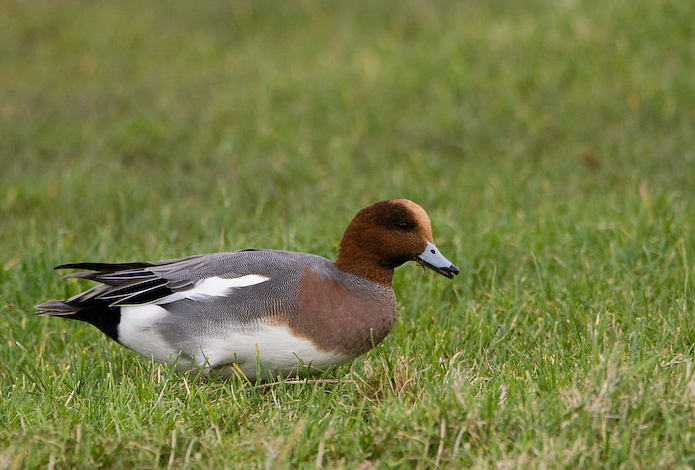
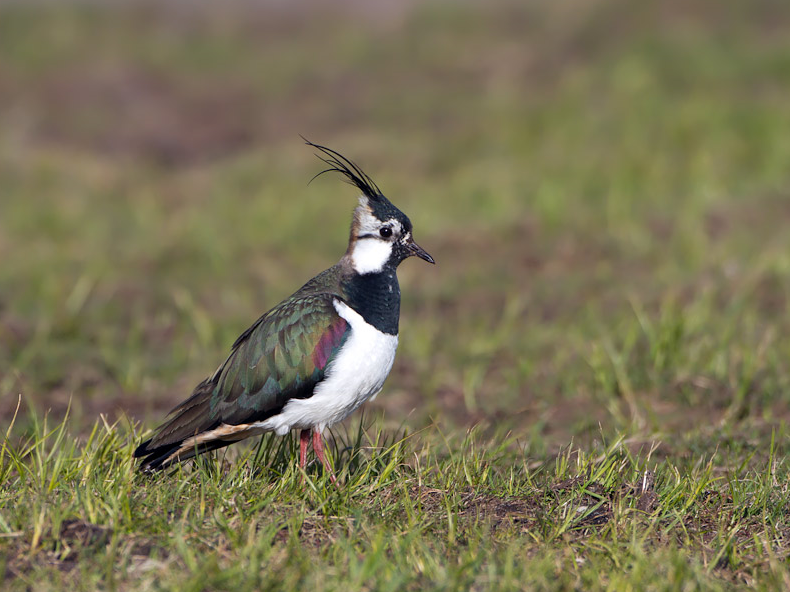
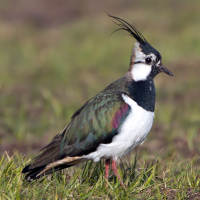
Seasonal changes dramatically alter the birdlife here: in winter, shallow floods transform the meadows into ideal feeding grounds for waterfowl and waders. Expect to see ducks such as Brunnakke, Krikkand, and Stokkand, waders like Enkeltbekkasin, Rødstilk, and sandpipers, and occasionally raptors including Vandrefalk , Sivhauk or Tårnfalk.
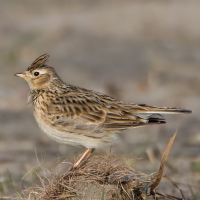
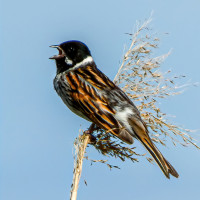
In spring and summer, grazing keeps vegetation low, creating ideal conditions for nesting waders and attracting a wide range of insects. The scrub and hedgerows support passerines such as Sivspurv, Sanglerke, and Tornsanger, while the open paths along the river and ditches offer unobstructed views for photographers and birdwatchers alike.
The site’s appeal lies in this diversity: you can experience both wetland and grassland birding in one location, with the added excitement of seasonal rarities and a tranquil atmosphere that makes it perfect for both short visits and full-day excursions. Its accessibility, scenic paths, and variety of birds make Stanground Wash a special and enriching destination for any birder.
Details
Access
Stanground Wash is located on the southern edge of Peterborough, between the Back River and a railway line, just south of Stanground village. The site is easy to reach by car, with parking available nearby along local roads or at small laybys close to the reserve entrance. Public transport options are limited, but you can take a bus to Stanground village and walk about 10–15 minutes to the main paths.
The reserve is best explored on foot, as the main paths run along the river and through the meadows, providing clear views of both wetland and grassland habitats. Cycling is possible on some adjacent paths, but access is restricted in wetter areas during winter floods. Cars are only practical for reaching parking areas; the site itself is pedestrian-friendly.
A typical visit can last from one to three hours, depending on how much birdwatching and photography you want to do. For full-day visits, you can explore all the meadows, ditches, and embankments.
 ) to insert bird names in your own language. The birdnames will automatically be translated for other users!