Opis
This one is a real surprise. Just outside of the big rural city of Mildura, a popular spot for fishers and campers along the river, lots of vehicle tracks and overuse, but then…. you drive a bit further and: birds!
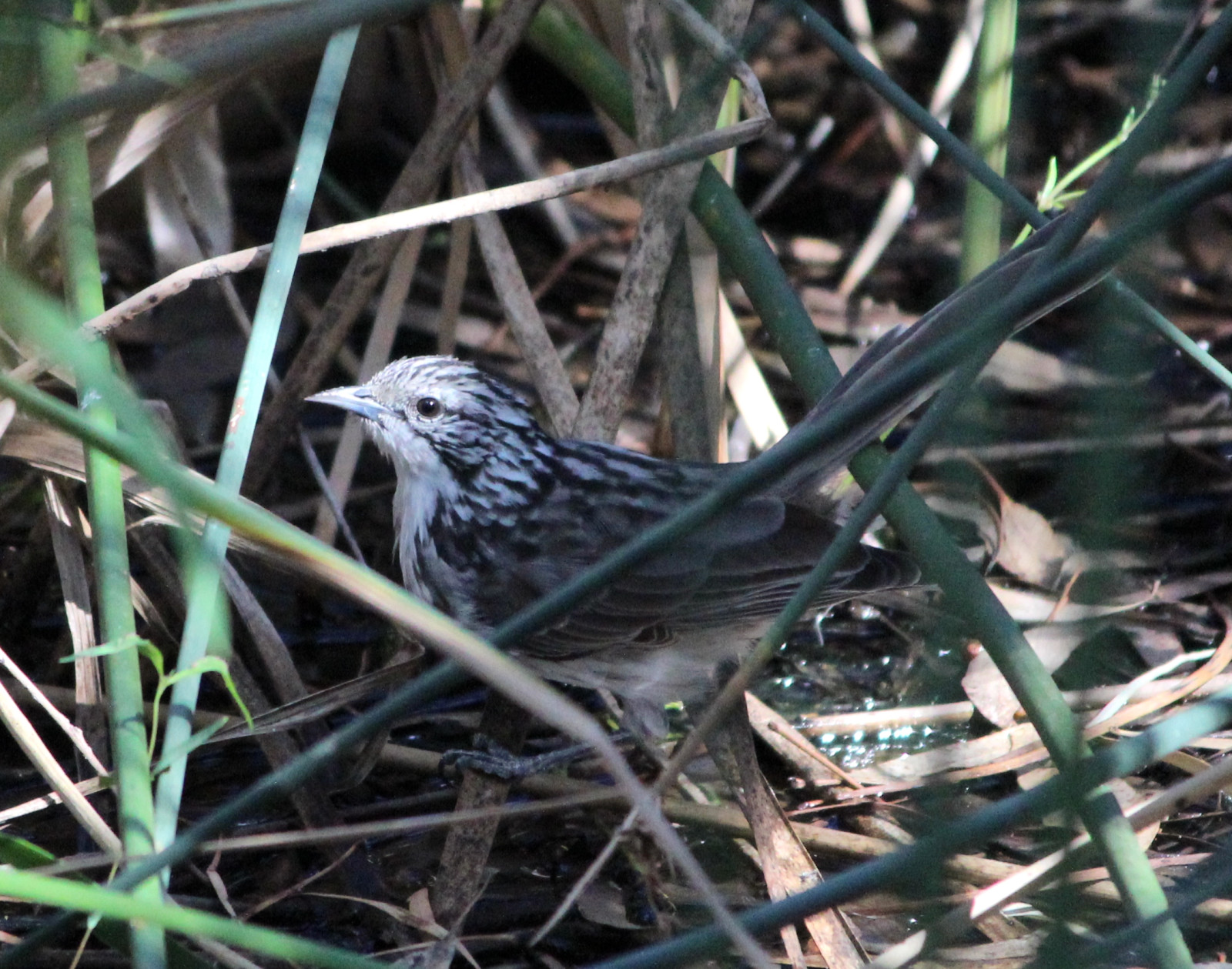
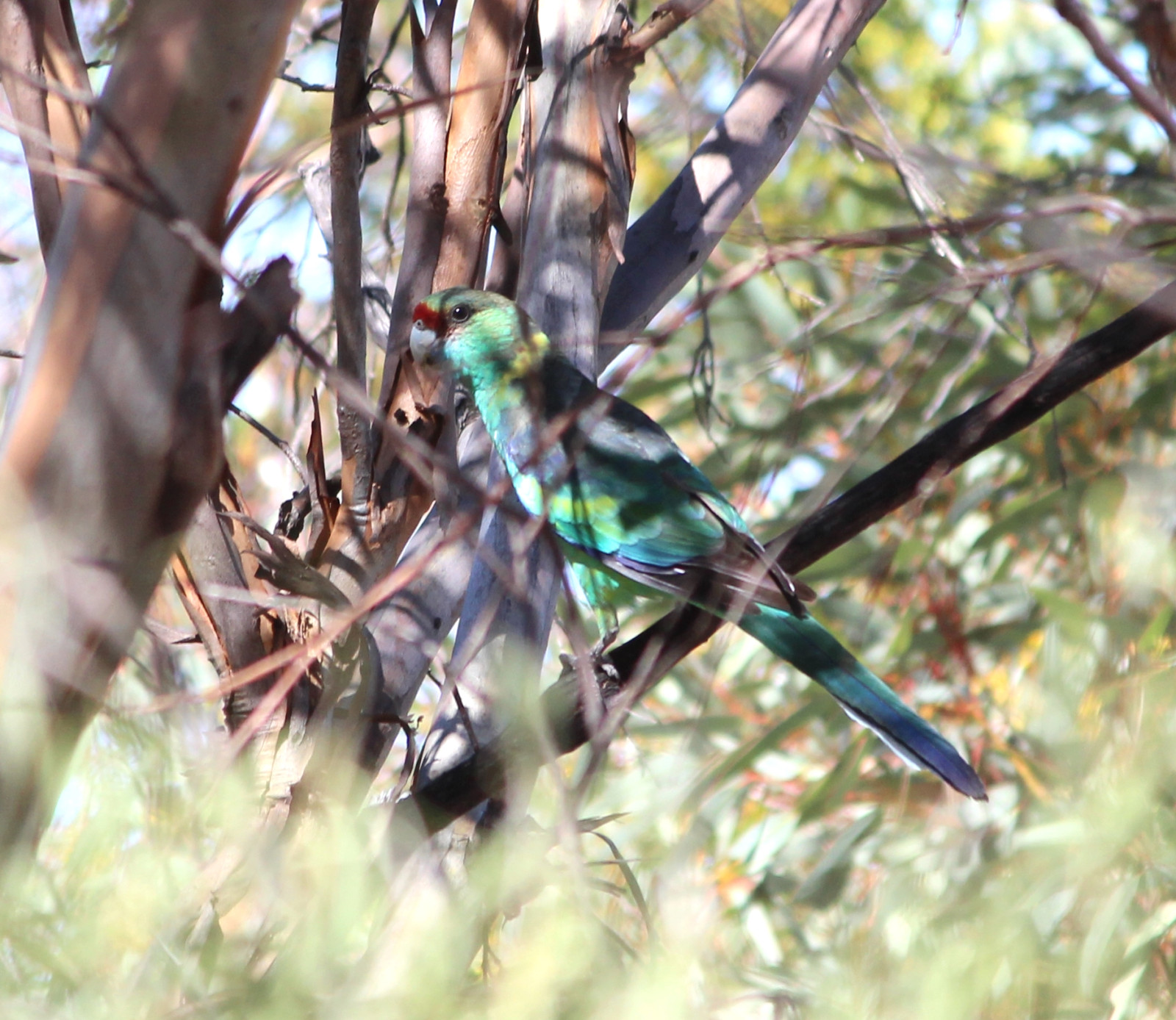
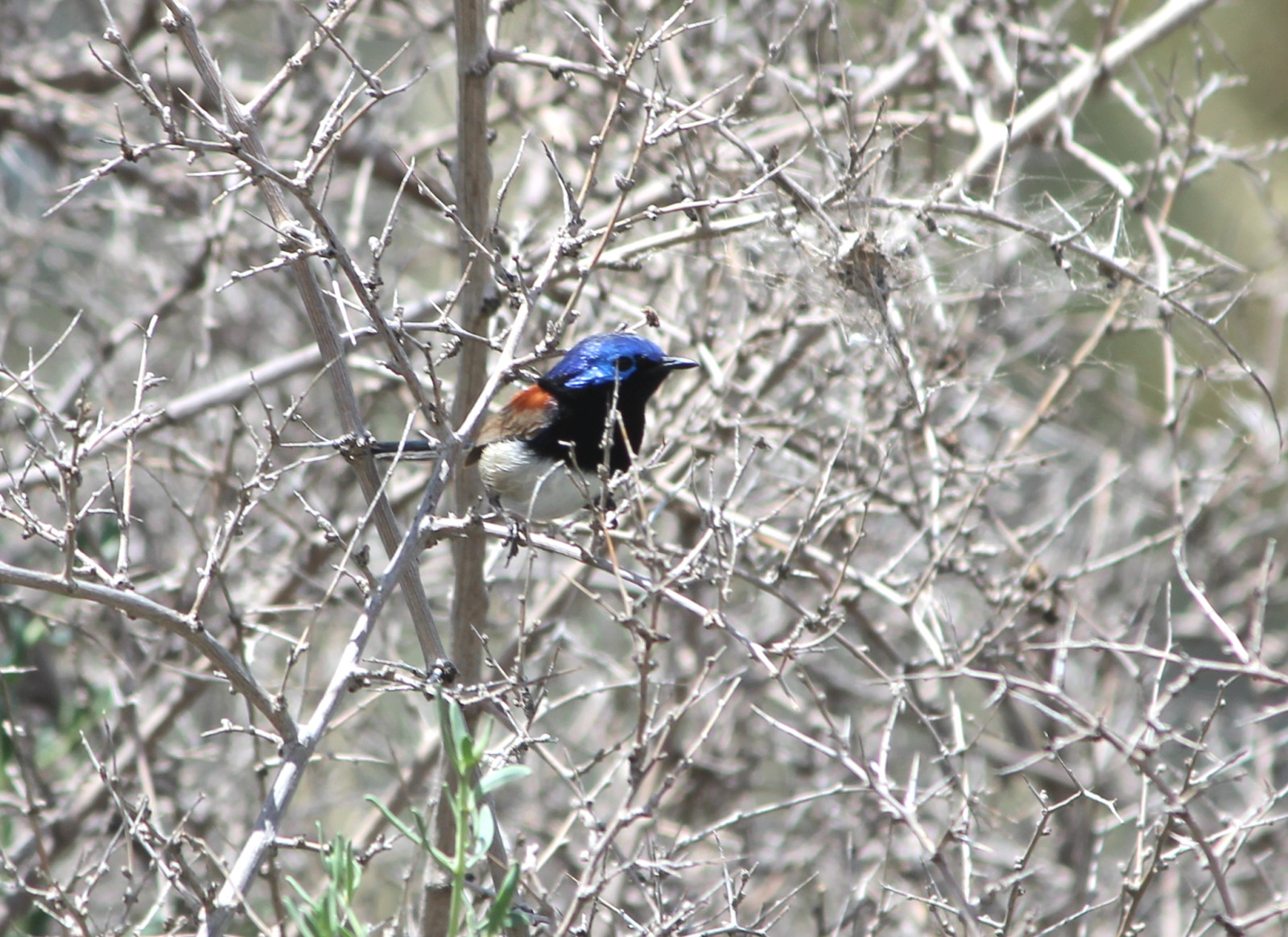
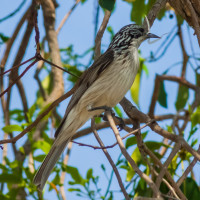
It's a great site for inland birds, including Hooded Robin, Little Friarbird, Striped Honeyeater, Purple-backed Fairywren and Mallee Australian Ringneck . Of course, there's good waterbirds here too. It's potentially terrific all year round, but avoid high summer if you can - Jan & Feb can be very hot, and busy with campers.
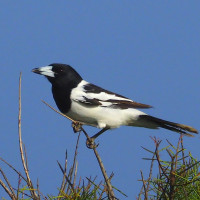
All year round expect to see Little Friarbird, Spiny-cheeked Honeyeater, Pied Butcherbird, Australian Raven, Grey T Grey Shrikethrush, Black-faced Cuckooshrike, Common Bronzewing, Red-rumped Parrot, Australasian Grebe, Crimson Rosella, Great Cormorant, Little Black Cormorant, Little Pied Cormorant, Australian Pelican, Brown Treecreeper, Dusky Moorhen, Australian Reed Warbler, Australian White Ibis, Australasian Darter, Black Swan and White-winged Chough. Likely are: Striped Honeyeater, Australian Ringneck, Blue-faced Honeyeater, Great Egret, Purple-backed Fairywren and Superb Fairywren, Australian Shelduck, Peaceful Dove, Pied Cormorant, Caspian Tern, Chestnut-rumped Thornbill, Red-capped Robin and Hooded Robin. Possible: Little Grassbird, Eastern Shrike-tit, White-bellied Sea-Eagle, Swamp Harrier, Black-tailed Nativehen, Tawny Frogmouth, Australian Owlet-nightjar, Nankeen Night-Heron, Greater Bluebonnet and Chestnut-crowned Babbler.
In spring and summer these birds are added to the likely list: Sacred Kingfisher, White-breasted Woodswallow, Fairy Martin and Rainbow Bee-eater, and these are possible: Masked Woodswallow, White-browed Woodswallow and Whiskered Tern.
In winter a few different species arrive, including Grey Fantail, Spotted Pardalote, Hoary-headed Grebe and Olive-backed Oriole .
Best spots include the reeds near the bridge, especially on warm sunny days when small birds love to drink and bathe. Anywhere on the island is good - the Bird Hide Loop track and Duckfoot Lagoon Loop - and don't forget to get away from the waters edge and do inland tracks.
The lookout can be marvellous for Purple-backed Fairywren , and birds of the skies including Rainbow Bee-eater , woodswallows and raptors.
You might also see Western & Eastern Grey Kangaroos.
Szczegóły
Dostęp
Kings Billabong is 8km east of Mildura in north western Victoria.
Access for most walks is from Irymple Ave to Billabong Walks carpark. Press P on the map for directions.
Ducks Foot Lagoon Walk is 9 km around an ‘island’. You don't have to do it all - we usually do a shorter Bird Hide Loop to the bird hide and back along an inland track. 4.3 km. All the walks are flat.
Another access point is from Eleventh st - Cureton Ave to Kings Billabong Lookout. There's a 200m loop walk down to the water here, but it's worthwhile just to stop for the lookout.
Teren i siedlisko
Las , Tereny podmokłe , Rzadkie drzewa i krzewy , Jezioro , Trzcinowiska , RzekaWarunki
Płaski , Otwarty krajobraz , Bagienny , Możliwy wysoki poziom wody , SuchyTrasa dookoła
TakCzy luneta będzie przydatna ?
NieUdany sezon obserwacyjny
Wiosna , Zima , JesieńNajlepszy czas na wizytę
WiosnaTrasa
Wąski szlakPoziom trudności szlaku pieszego
ŁatwyDostępne
PieszoCzatownia/platforma obserwacyjna
TakDodatkowe informacje
High summer is not a great time to visit. It's too hot, too busy with campers.
As in most of Australia's inland, past and current weather conditions make a huge difference to the bird abundance and diversity. Best bet is to check eBird in the months and weeks before your visit. Or check the weather - has there been good rain in the area, or has it been horribly dry? Is it mild, or very hot? Rainfall can lead to irruptions of inland birds, and amazing sightings across a wide area months later. Conversely, drought conditions & heatwaves can concentrate birds around surface water, farm troughs and puddles.
, CC BY-SA 3.0 httpscreativecommons.orglicensesby-sa3.0, via Wikimedia Commons.jpg)

 ) aby wstawić nazwy ptaków w swoim języku ojczystym. Nazwy ptaków zostaną automatycznie przetłumaczone dla innych użytkowników!