Opis
The You Yangs is an island of native vegetation in a region of farmland, open spaces and sea. It retains a resident population of Australian endemic birds, and also attracts forest migrants and blossom nomads. Both dry country and wet country migrants or irruptive species appear at times too. The park has around 215 bird species recorded.
The forest comprises stunted Blue Gum on the granite peaks, Manna Gum on rocky foothills, River Red Gums in gullies, Yellow Gum and Yellow Box on lower slopes. Red Box grows in the east and Grey Box in the north and west. Some of those - the Box species and Yellow Gum - flower heavily at times.
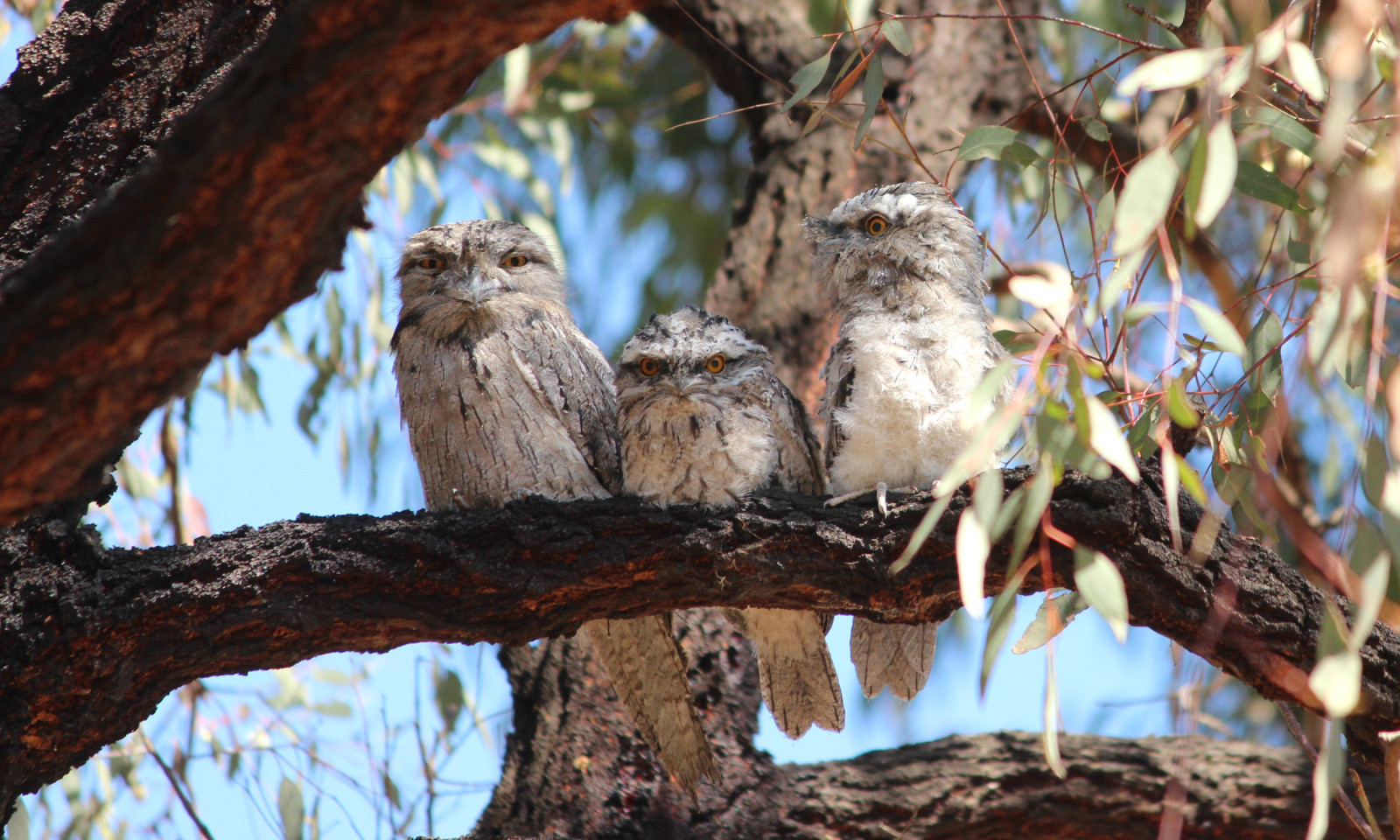
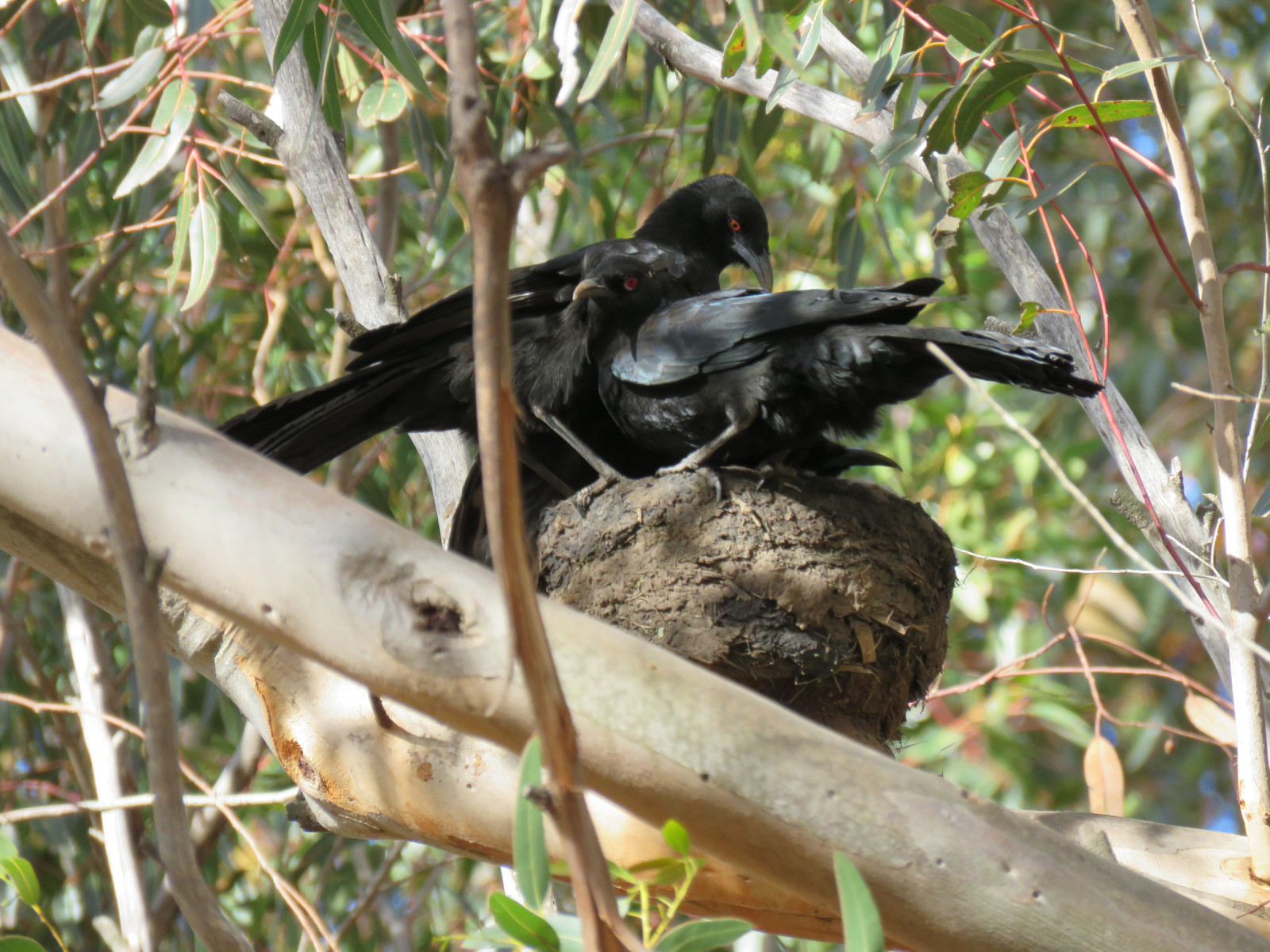
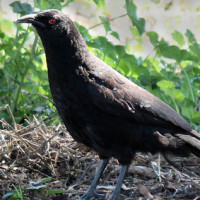
Special resident birds include Speckled Warbler, Tawny Frogmouth , Australian Owlet-nightjar , Varied Sittella , Eastern Shrike-tit , Mistletoebird , and very reliable Superb Fairywren , Weebill , Grey Fantail , White-winged Chough Spotted Pardalote and Grey Shrikethrush. It's usually easy to see at least five species of honeyeater: Yellow-faced Honeyeater , New Holland Honeyeater , White-naped Honeyeater , White-plumed Honeyeater , Brown-headed Honeyeater and Eastern Spinebill , plus Red Wattlebird . Some years a few Spiny-cheeked Honeyeater or Black-chinned Honeyeater are seen in the park, and more rarely Scarlet Honeyeater .
Near the main carpark and visitor centre is one of the best places to see Purple-crowned Lorikeet. Galah , Sulphur-crested Cockatoo , Crimson Rosella and Eastern Rosella are common here too.
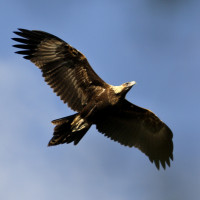
It's one of the best places to see Wedge-tailed Eagle , and Brown Goshawk are seen easily too. Collared Sparrowhawk , Brown Falcon , Whistling Kite are frequently seen, and Peregrine Falcon , Australian Hobby , Black Kite , Nankeen Kestrel , Black-shouldered Kite and Little Eagle are not unusual. Black Falcon and Spotted Harrier are nearby, and can be seen over the farmland in the surrounding area.
Scarlet Robin and White-throated Treecreeper are resident throughout the park, but declining. In the past it was possible to see Diamond Firetail too, but they are now very rarely seen in the park. Sightings of Restless Flycatcher have declined recently too.
Rainbow Bee-eater are regular summer migrants, and can be seen reliably near Hovells Creek on the west side of the park, or less reliably flying over anywhere in the vicinity.
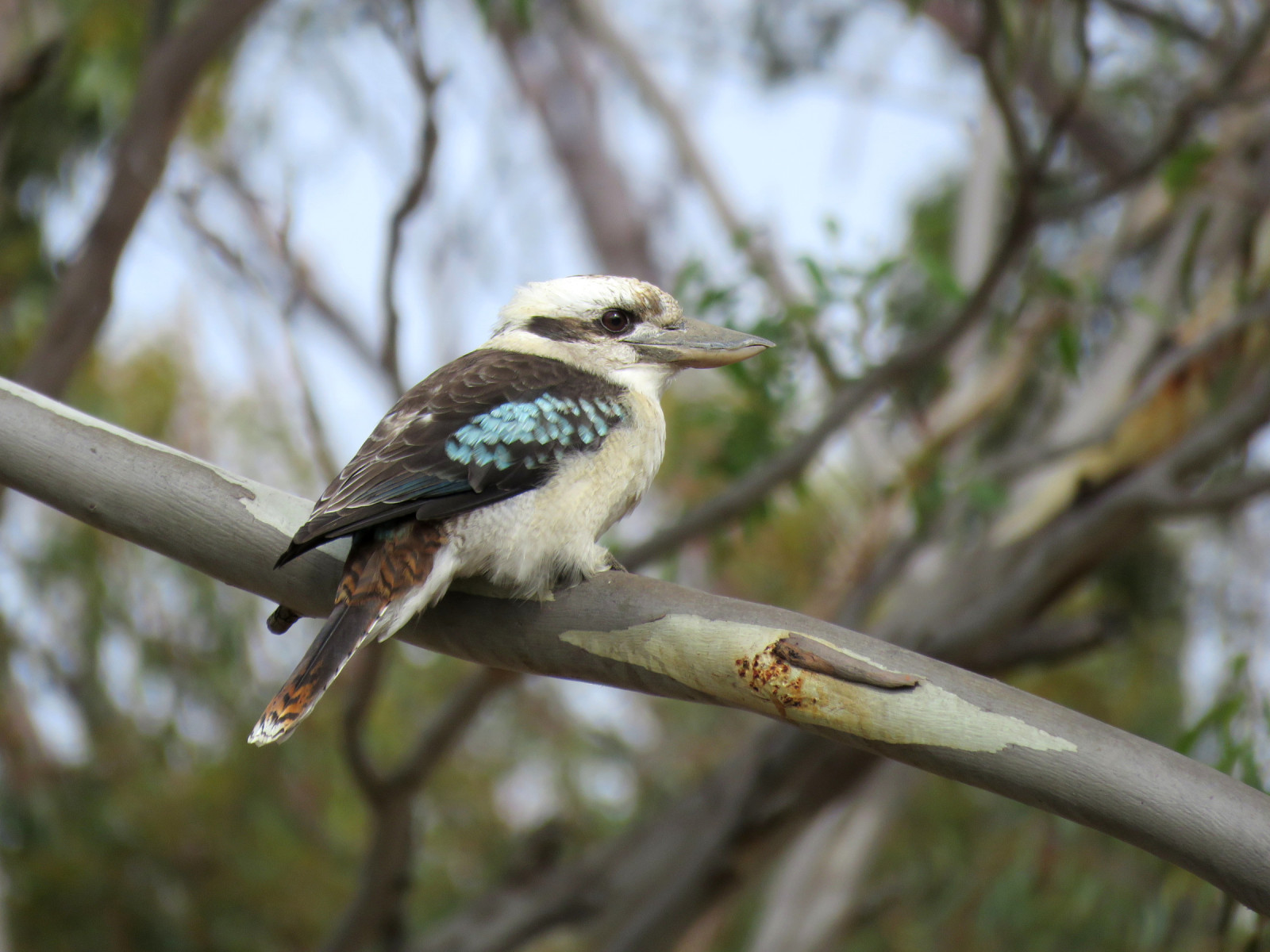
Spring is noisy with Rufous Whistler and Golden Whistler , Fan-tailed Cuckoo and Pallid Cuckoo , Shining Bronze Cuckoo and Horsfield's Bronze-Cuckoo , Sacred Kingfisher , Brush Bronzewing and Black-faced Cuckooshrike. Some years have good numbers of White-winged Triller and Olive-backed Oriole , and occasionally some wet country migrants stay for a few days: Satin Flycatcher , Rufous Fantail , Sahul Brush Cuckoo , Black-faced Monarch , Rose Robin or Pink Robin.
Some years some dry country birds can be seen here too: Western Gerygone or White-throated Gerygone , Southern Whiteface , Hooded Robin and Rufous Songlark.
It's a great place to get to know LBBs (Little Brown Birds), as all the thornbills are here in good numbers: Yellow-rumped Thornbill , Buff-rumped Thornbill , Brown Thornbill , Striated Thornbill and Yellow Thornbill , plus Weebill, Superb Fairywren andWhite-browed Scrubwren .
Note, a subspecies of Pied Currawong occurs in the park - ssp ashbyi - with greyish plumage, a dark rump and small speculum. It can easily be confused with Grey Currawong , which probably does not occur in the You Yangs. If you see a currawong which you think might be a Grey, please take photographs and audio recordings.
You are likely to see some good native mammals here too - Eastern Grey Kangaroos and Swamp Wallabies are fairly common, Common Brushtail & Common Ringtail Possums roost in tree forks and thick clumps of foliage. Koalas are no longer common, but can still be seen at times.
Szczegóły
Dostęp
The You Yangs sit on the volcanic plains between Melbourne and Geelong, just west of the small town of Little River. Best access to the You Yangs is by car. The main entrance is off Branch Road, where close by there is the Main Carpark, toilets, a map and a (sometimes unstaffed) office. From there a paved road continues up to the Turntable Carpark, and a side branch to Big Rock Carpark. Press a P on the map for directions to a carpark. An unpaved internal perimeter road - The Great Circle Drive - is one way and branches off Big Rock Road. It gives access to most of the rest of the park.
The main entrance has a gate that is open roughly 8am to 8pm daily. There is no permit required or entry fee. Visitors can leave the park anytime, even after the gate shuts, via one way road spikes (allow exit but not entrance).
Several walks start at the Main Carpark: (1) unsigned Red Gum Gully Track (1.2km loop) to the east, (2) signposted Big Rock Track (2.8km loop) to the west. There are other walks from Turntable Carpark, all marked, but only (3) Branding Yard Trail (4.6km loop) is recommended for birding. (4) East Flat Walk (3.2km loop) is great for birding and can be accessed from Branding Yard Trail or by walking 500m from the gate at Toynes Road. Another walk (5) is shown to the Rainbow Bee-eater site to the far west - this site is best reached from Sandy Creek Road, then walk 2km along Brown Mallet Road to Hovells Creek.
Nearest public transport isn’t convenient - a train stop at Little River, but its another 5km walk just to the eastern edge of the park, and a further 4km to the Main Carpark. There’s unlikely to be taxis or ride share services either, and you can’t hire a bike easily.
There is food and coffee available at Little River General Store, and sometimes there is a coffee caravan near the Branch Road entrance. Drinking water is only available outside the toilets at the Main Carpark and Turntable Carpark. It can get very hot in the You Yangs in summer, so make sure you take plenty of water. Insect repellent and sunscreen are recommended too.
As for most national parks in Victoria, there are no rubbish bins. You must carry out your rubbish.
Teren i siedlisko
Las , Rzadkie drzewa i krzewy , GóryWarunki
Pagórkowaty , Skalisty , SuchyTrasa dookoła
TakCzy luneta będzie przydatna ?
NieUdany sezon obserwacyjny
Przez cały rokNajlepszy czas na wizytę
WiosnaTrasa
Droga utwardzona , Szeroka ścieżkaPoziom trudności szlaku pieszego
ŁatwyDostępne
Pieszo , Rower , SamochódCzatownia/platforma obserwacyjna
NieDodatkowe informacje
The proximity of this park to the Western Treatment Plant makes it popular for a Big Day. It is the nearest large forest to the WTP, and offers a suite of birds almost mutually exclusive to those seen at the WTP. There are several hotspots.
 by Patrick_K59, CC BY 2.0 httpscreativecommons.orglicensesby2.0, via Wikimedia Commons.jpg)
 by Patrick_K59, CC BY 2.0 httpscreativecommons.orglicensesby2.0, via Wikimedia Commons.jpg)
 ) aby wstawić nazwy ptaków w swoim języku ojczystym. Nazwy ptaków zostaną automatycznie przetłumaczone dla innych użytkowników!