Opis
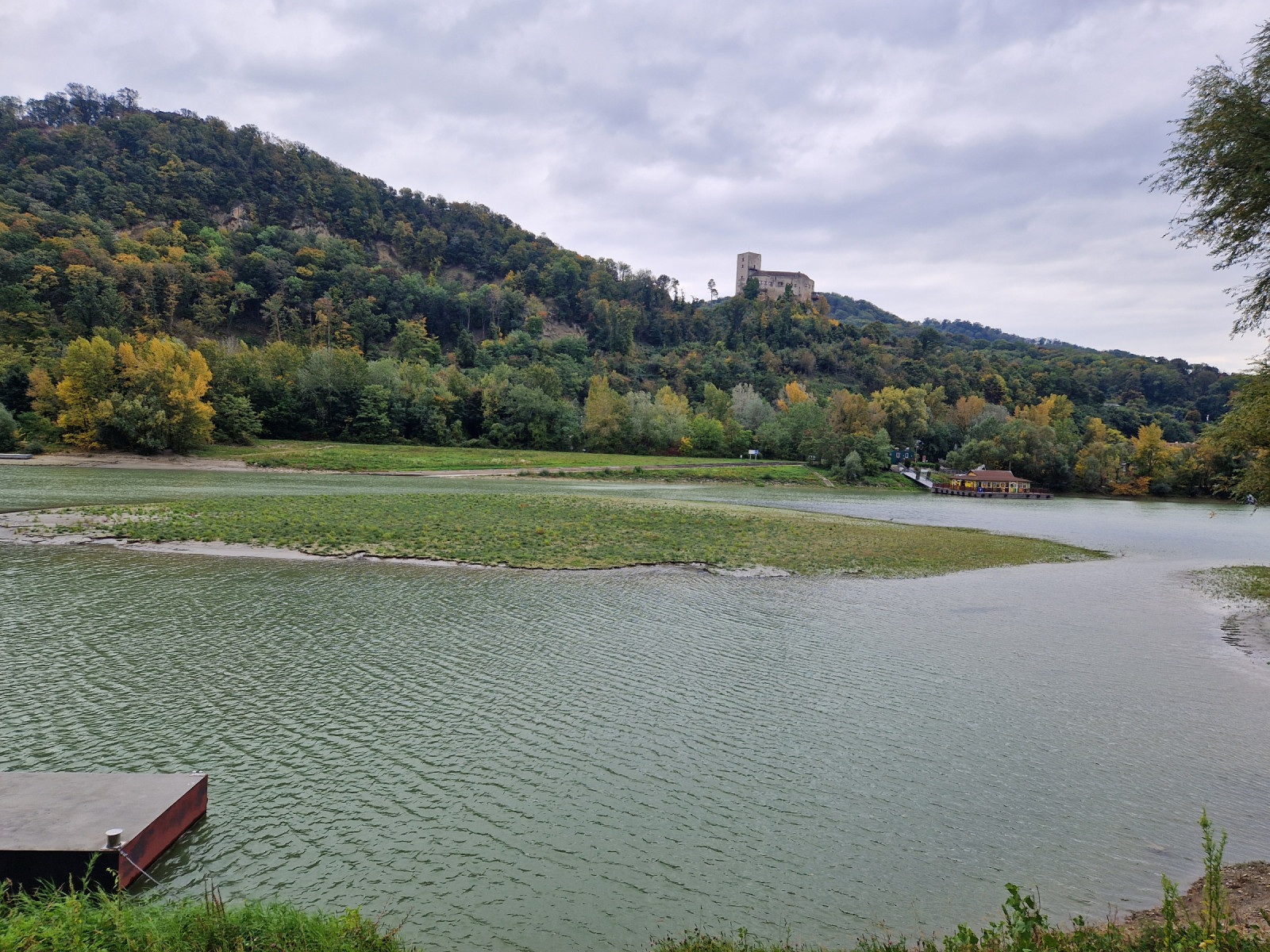
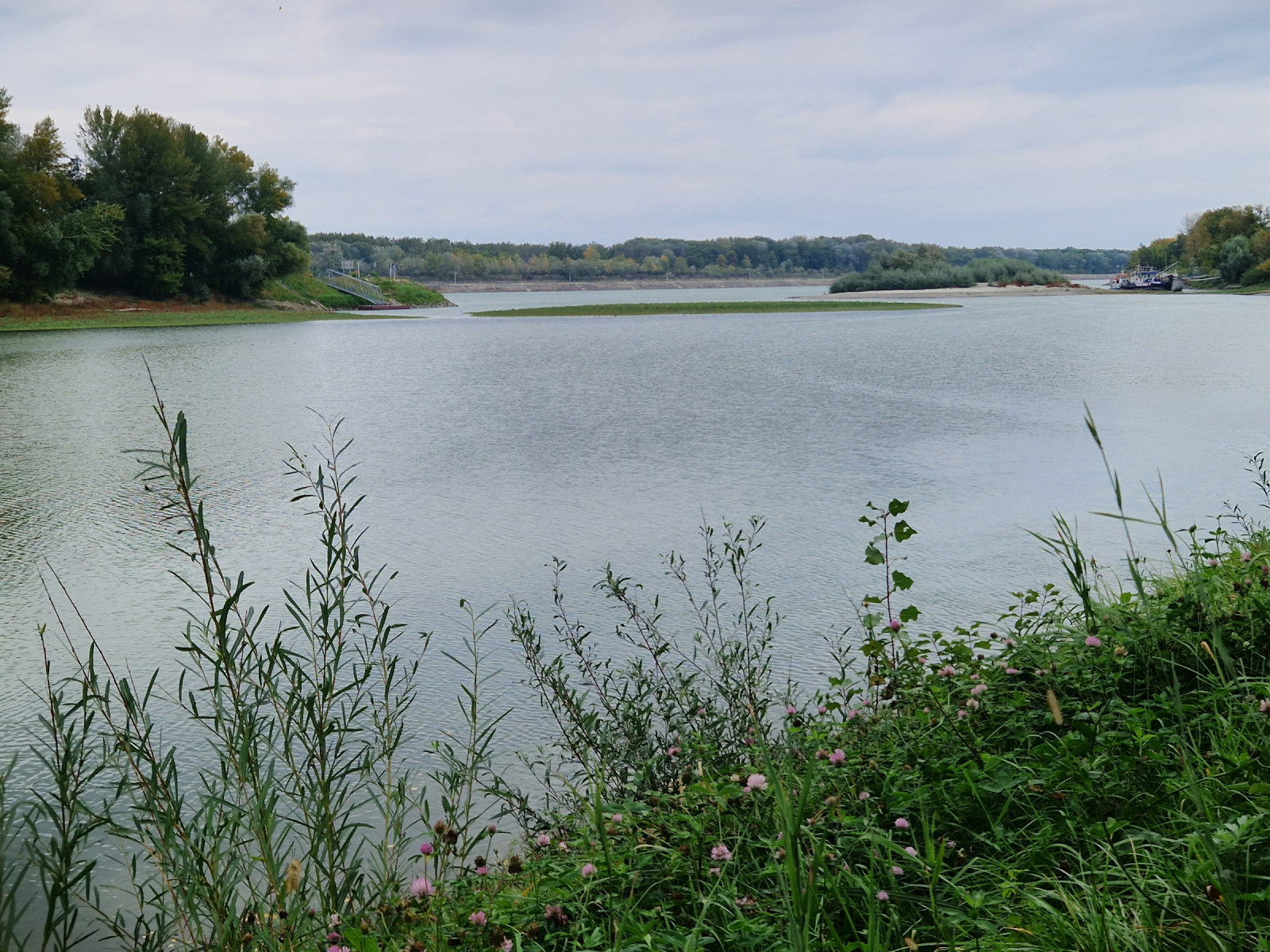
The area at the Danube reservoir at Greifenstein consists of a roughly 2.5-kilometre peninsula (1) that separates the Danube (2) from an old southern side arm (3). Around 220 species have already been recorded in the area. Most interesting are gulls, ducks, geese, and divers which stay from mid-October until early spring.
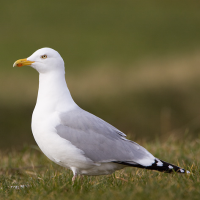
The side arm (3) is best explored on foot or by bike from the southern path “Am Damm.” Afterwards, it is worth walking across the “Die Schwelle” bridge to the Danube lock. Along the way you pass several small islets that are also worth checking. From dam on the lock, only the eastern part of the Danube is visible, where gulls and cormorants rest. As early as late summer and autumn, the mewa czarnogłowa is occasionally sighted, followed somewhat later by the mewa srebrzysta. More common are mewa romańska, mewa białogłowa, and śmieszka. The mewa mała has been recorded especially in November. Four sightings of the mewa siodłata and three of the mewa trójpalczasta also come from the cold season. Records of the heuglini subspecies of mewa żółtonoga ("Heuglin's gull") and mewa blada are rare but confirm the site’s potential. Among cormorants, the Atlantic subspecies P. c. carbo is regularly observed.
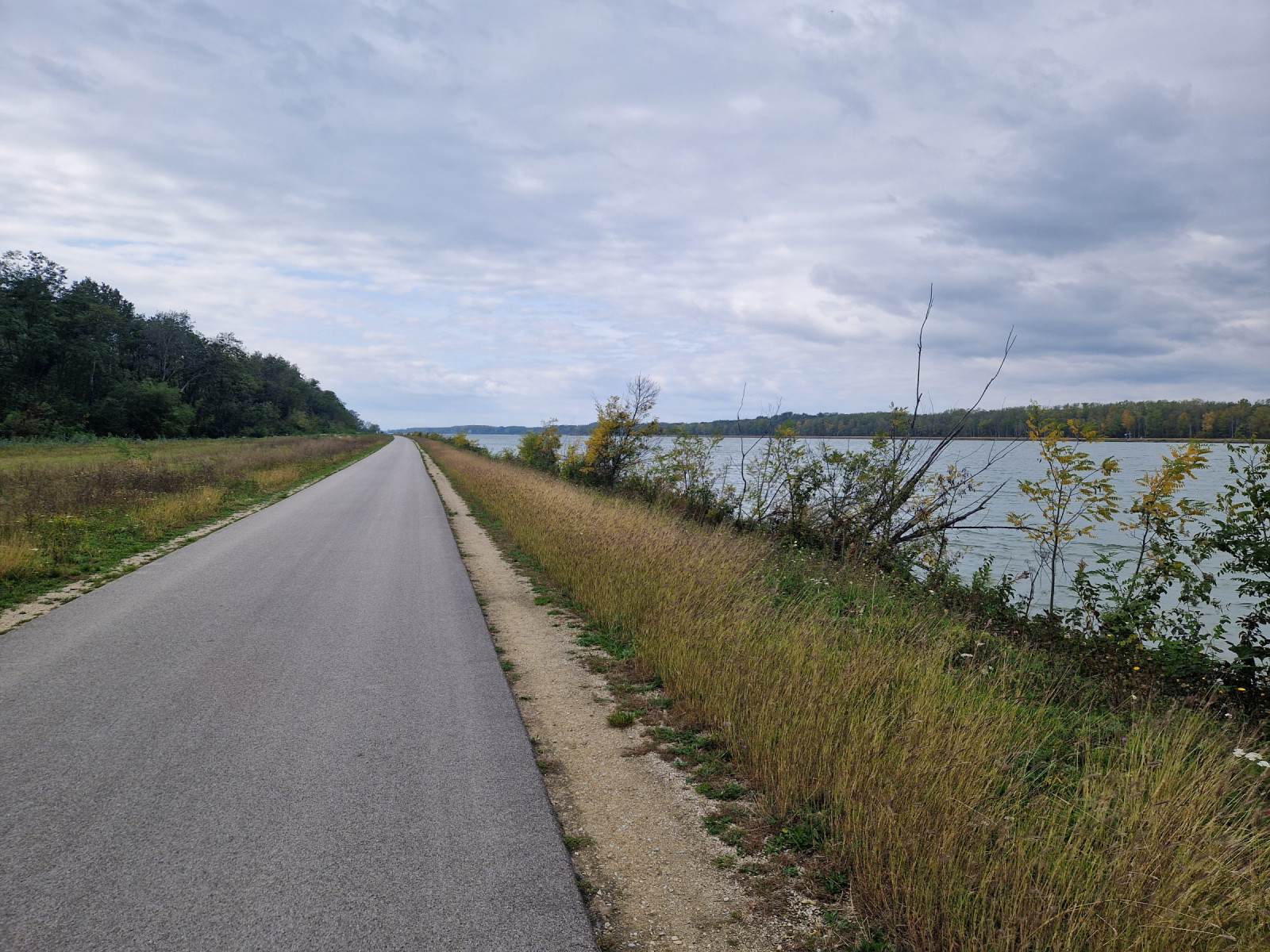
The island (1) is covered with a strip of alluvial and deciduous forest. Noteworthy among the probable breeding birds are muchołówka białoszyja, dzięcioł średni, and on the islets the brodziec piskliwy. Most surveys in the area, however, take place outside the breeding season; in the summer, the side arm is frequented by swimmers and water sports enthusiasts. Of particular interest are the winter gatherings of waterbirds either on the side arm or on the impounded Danube itself (2), which reach their peak in January. They can be viewed from the northern path, which is heavily used by cyclists.
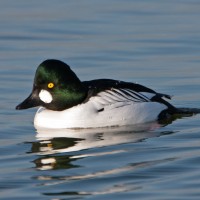
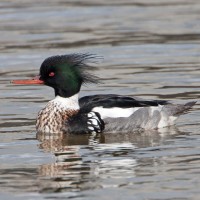
Among the ducks, the czernica is the most numerous. A regular guest between November and January is the very similar ogorzałka. Less frequently at the same time, the uhla, perkoz rogaty and perkoz rdzawoszyi are recorded, and even more rarely the lodówka. Those not lucky with rarities can expect nurogęś, gągoł, and mewa żółtonoga. The food-rich area also regularly attracts the bielik.
Szczegóły
Dostęp
The Danube side arm and reservoir are located in Greifenstein, about 25 km north of Vienna. While parking is possible (click on "P" on the map to get directions), the area is best reached by public transport or bicycle. The paths are wheelchair accessible.
,_Etangs_de_Stavelot,_Belgien_(38631119665) Frank Vassen.jpg)
 ) aby wstawić nazwy ptaków w swoim języku ojczystym. Nazwy ptaków zostaną automatycznie przetłumaczone dla innych użytkowników!