Opis
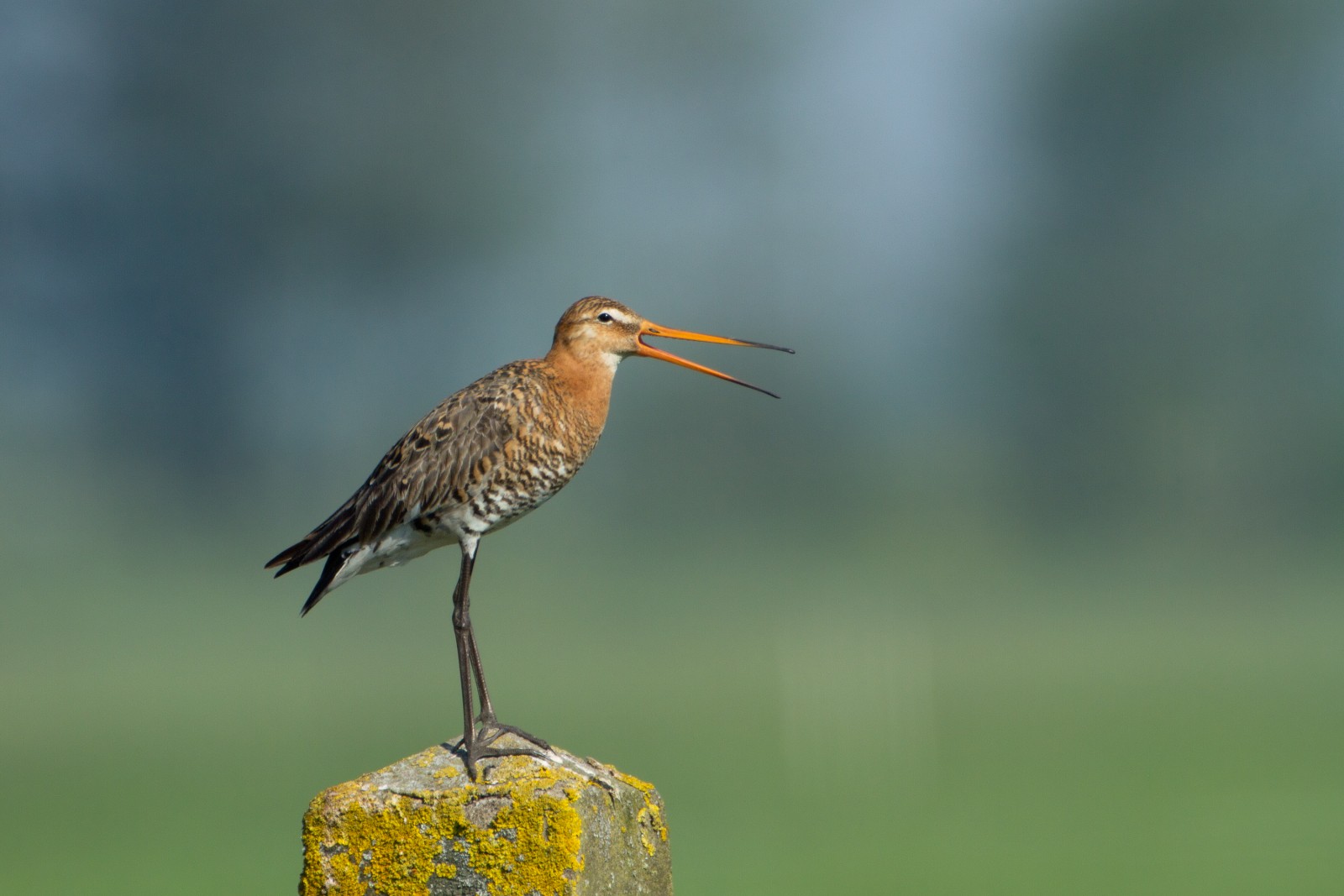
The Fahretofter Westerkoog is one of the newest polders on the German coast, created in 1988 for flood protection. Apart from its role as a breeding habitat for birds such as the szablodziób, it is especially interesting for its migratory birds. Along with the larger Hauke-Haien-Koog to the south, this area is one of the best places in Germany to observe migrating birds, particularly waders.
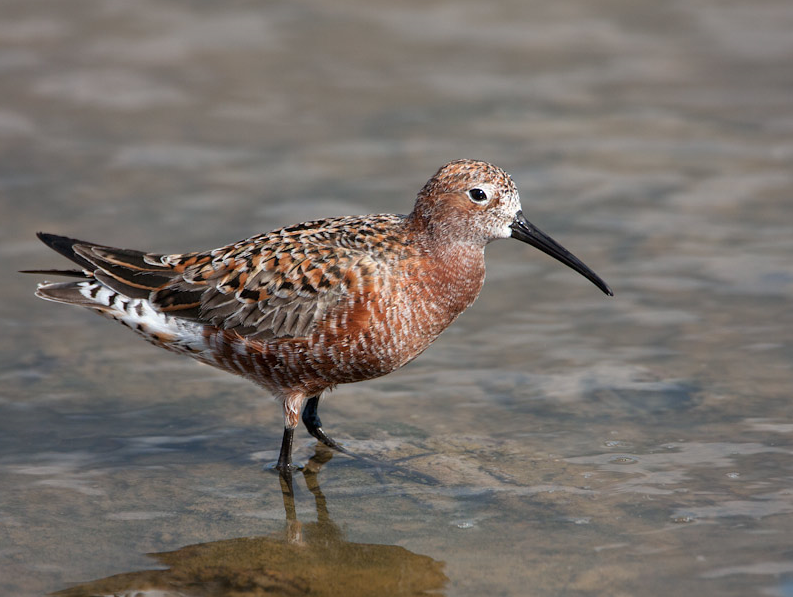
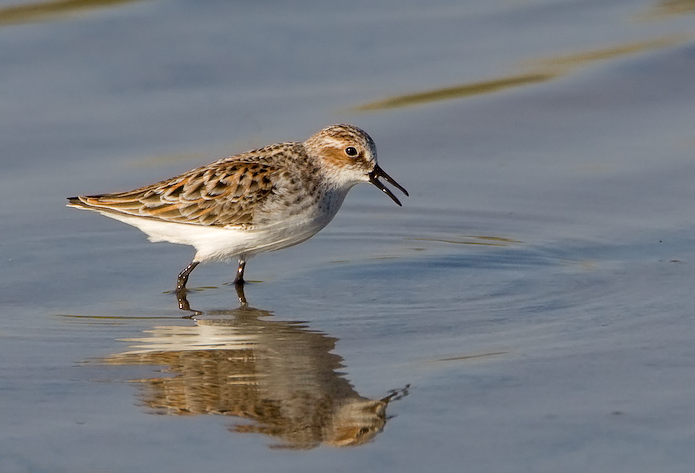
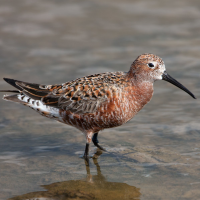
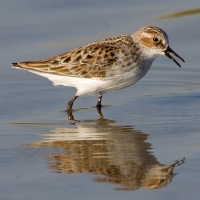
During the migration season in April, May, August and September, the polder is an ideal location for observing waders foraging in the shallow waters, particularly during high tide. You can observe birds such as batalion, biegus malutki and rycyk (also the Icelandic subspecies in March and April). If you step onto the dike and look towards the North Sea, you can see typical Wadden Sea birds such as szlamnik and siewnica, as well as rarer birds such as the biegus krzywodzioby. The best time to do this is around two hours before high tide, when the sea slowly encroaches on the Wadden Sea areas in front of the dike.
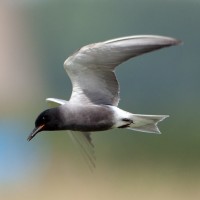
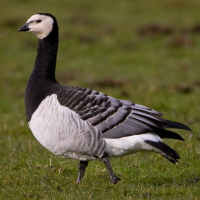
Apart from waders, the polder is also a good place to see terns such as the rybitwa czarna, as well as ducks and geese. The best time to see ducks and geese is in early spring and late autumn.
The polder is also a good place to see rare birds; biegus płaskodzioby, płatkonóg szydłodzioby and rybitwa białoskrzydła are rarities that can be observed almost every year.
If you visit this area, it is also worth taking a look at the Hauke-Haien-Koog to the south, which is an even better place for birdwatching, its Birding Places page can be found here: https://www.birdingplaces.eu/en/birdingplaces/germany/hauke-haien-koog-hide-am-sudbecken
Szczegóły
Dostęp
The best way to explore the area is on foot or by bike. As can be seen on the map, there is also a car park.
The closest train station is Dagebüll Kirche (marked 1 on the map), this is a 2.7km, 40min walk or 10min cycle to the polder.
The 105 Bus also runs from this train station and stops at two stops, both a 5min walk from the Polder.
There is also the 195 Bus that runs from Bredstedt town to Schlüttsiel, a few kilometres south of the Koog, and in the middle of the Hauke-Haien-Koog (marked 2 on the map).
Please note that you must stay on the paths, as the birds can easily be disturbed. If you climb the dike on the western edge, next to the North Sea, you can get a good overview of the area without disturbing the birds.
 ) aby wstawić nazwy ptaków w swoim języku ojczystym. Nazwy ptaków zostaną automatycznie przetłumaczone dla innych użytkowników!