Opis
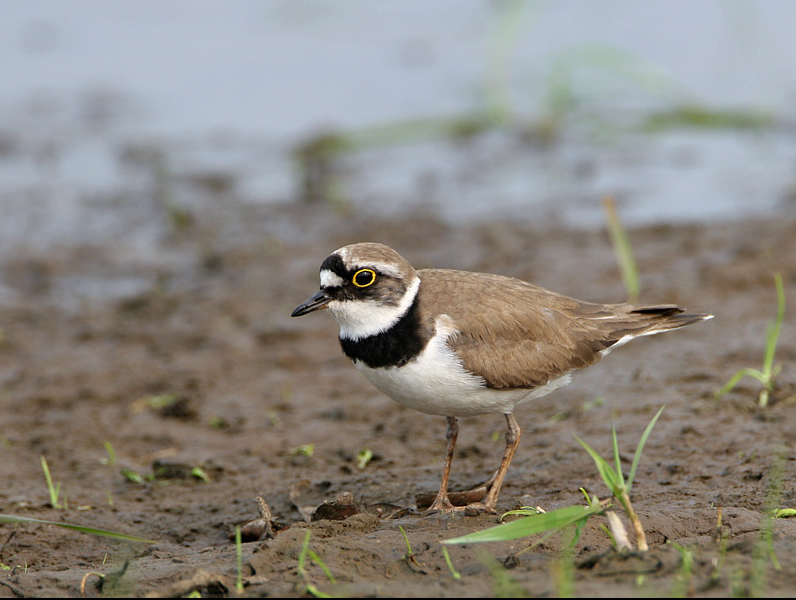
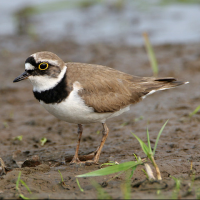
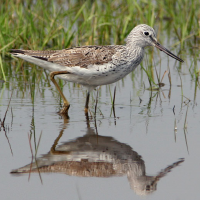
The Confluenza Adige-Noce is the area between the confluence of the Adige river and the Noce creek. It is one of the most important places during spring and autumn migration. The importance is guaranteed by a humid belt rich in vegetation located in the Adige valley, which is an obligatory passage for many migrants who want to cross the Alps. Both in spring and in autumn there are several rarities that decide to stop to take a break from the long journey north or south. Waders such as kwokacz, brodziec piskliwy, samotnik, łęczak, sieweczka rzeczna and sieweczka obrożna are the most common. The area is also pretty rich in leaf warblers during migration.
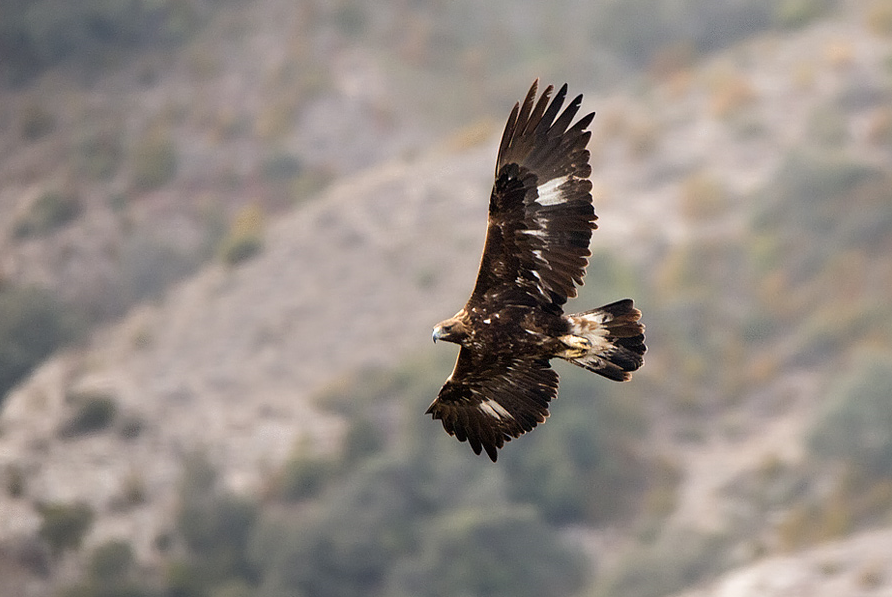
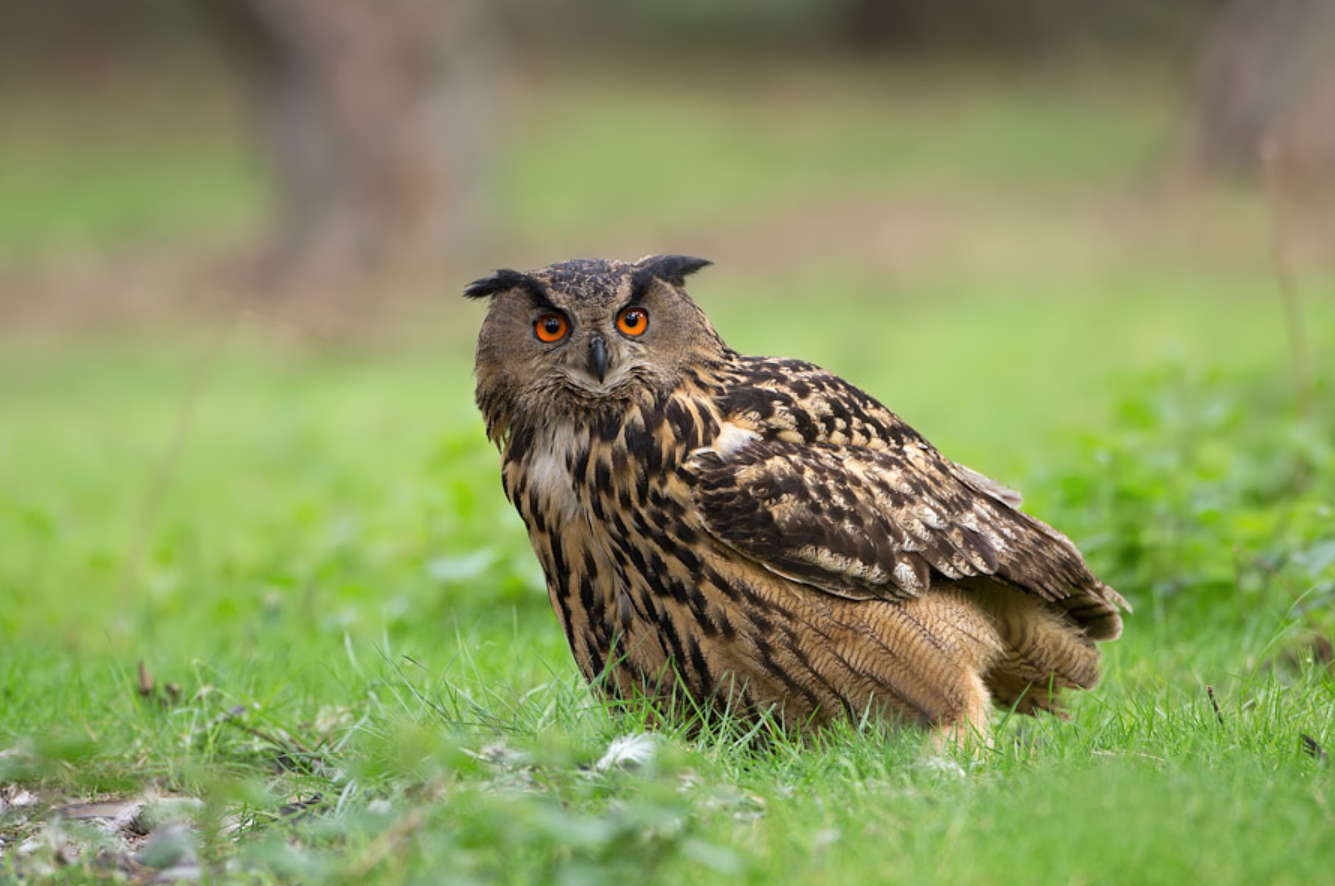
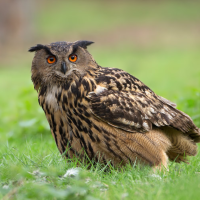
In terms of breeding species the cliffs of the Piani dell'Agola are also really interesting. Three species of raptor are nesting there: orzeł przedni, puchacz and the most common of the three (with more than 6 couple each year) is kania czarna. czapla siwa and kormoran also nest in this area but the czapla biała despite being present nearly all the time, doesn't nest. The presence of the nearby landfill means that, especially in winter, there are a few thousand mewa srebrzysta and śmieszka. Also some mewa pospolita and possible other rarities from northern Europe.
_________________________
Italiano: La Confluenza Adige-Noce è l'area compresa tra la confluenza del fiume Adige e il torrente Noce. È uno dei luoghi più importanti durante la migrazione primaverile e autunnale. L'importanza è garantita da una fascia umida ricca di vegetazione situata nella valle dell'Adige, che rappresenta un passaggio obbligato per molti migranti che vogliono attraversare le Alpi. Sia in primavera che in autunno sono diverse le rarità che decidono di fermarsi per prendersi una pausa dal lungo viaggio verso nord o verso sud. Molto interessanti dal punto di vista nidificante sono anche le falesie dei Piani dell'Agola, dove nidificano alcune specie di rapaci.
Szczegóły
Dostęp
The only way to reach the place is by parking the car to the dewatering plant indicated on the map. From there you have to go by foot, as no other way is good enough. In order to get up on the rocky cliffs you have to follow many tracks ! Be careful because only two of them are marked and safe enough. Also be careful of ticks because the area holds plenty of deers and roe deers in this area so potentially every bush you walk by is filled by those little suckers.
_________________________
Italiano: L'unico modo per raggiungere il luogo è parcheggiare l'auto presso l'impianto di disidratazione indicato sulla mappa. Da lì bisogna continuare a piedi. Fate attenzione, per salire sulle scogliere rocciose bisogna seguire solo i due sentieri segnalati che sono abbastanza sicuri. Fate attenzione inoltre anche alle zecche in quanto la zona ospita molti cervi e caprioli, quindi potenzialmente ogni cespuglio che incontrate potrebbe essere pieno di questi piccoli parassiti.
 ) aby wstawić nazwy ptaków w swoim języku ojczystym. Nazwy ptaków zostaną automatycznie przetłumaczone dla innych użytkowników!