Opis
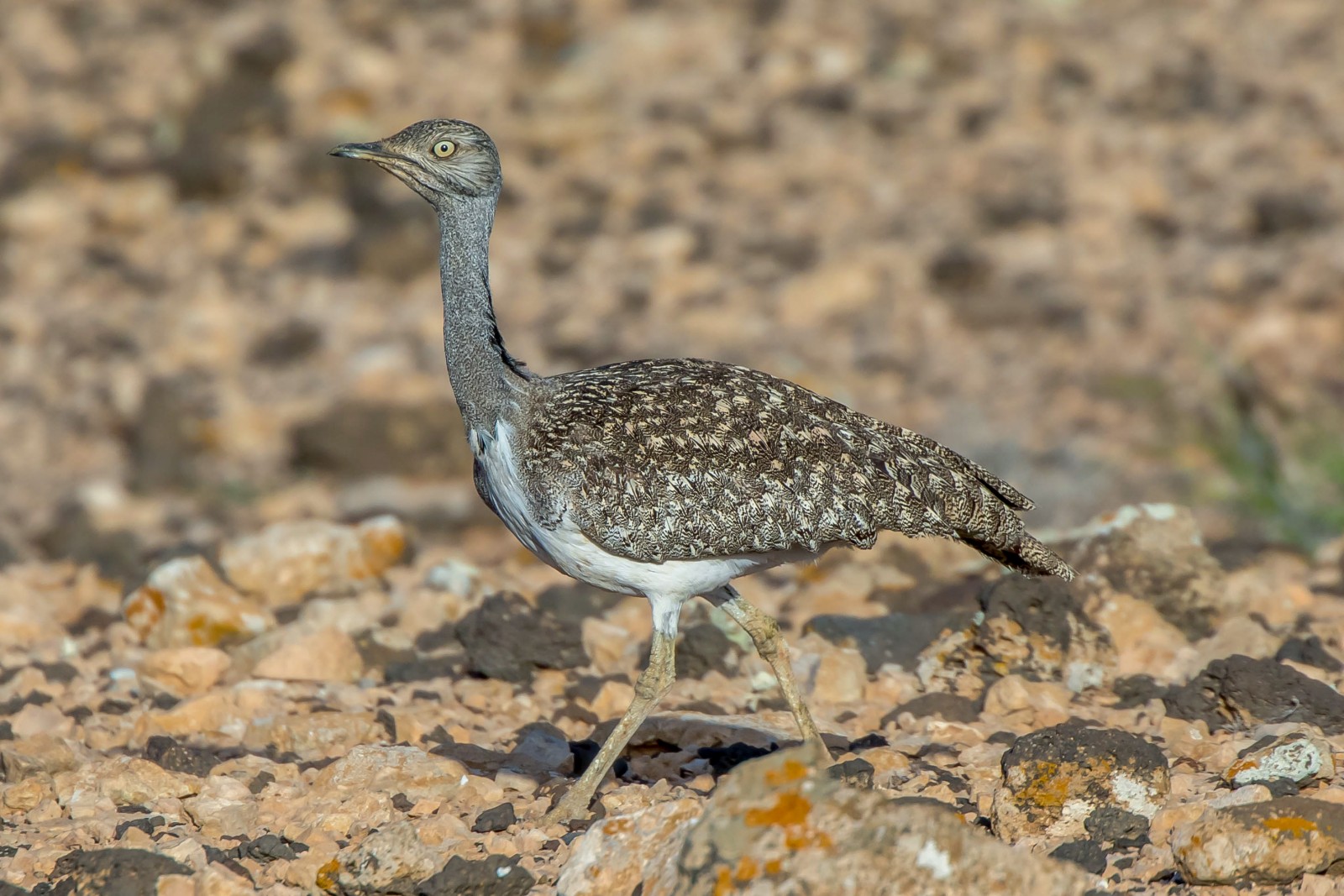
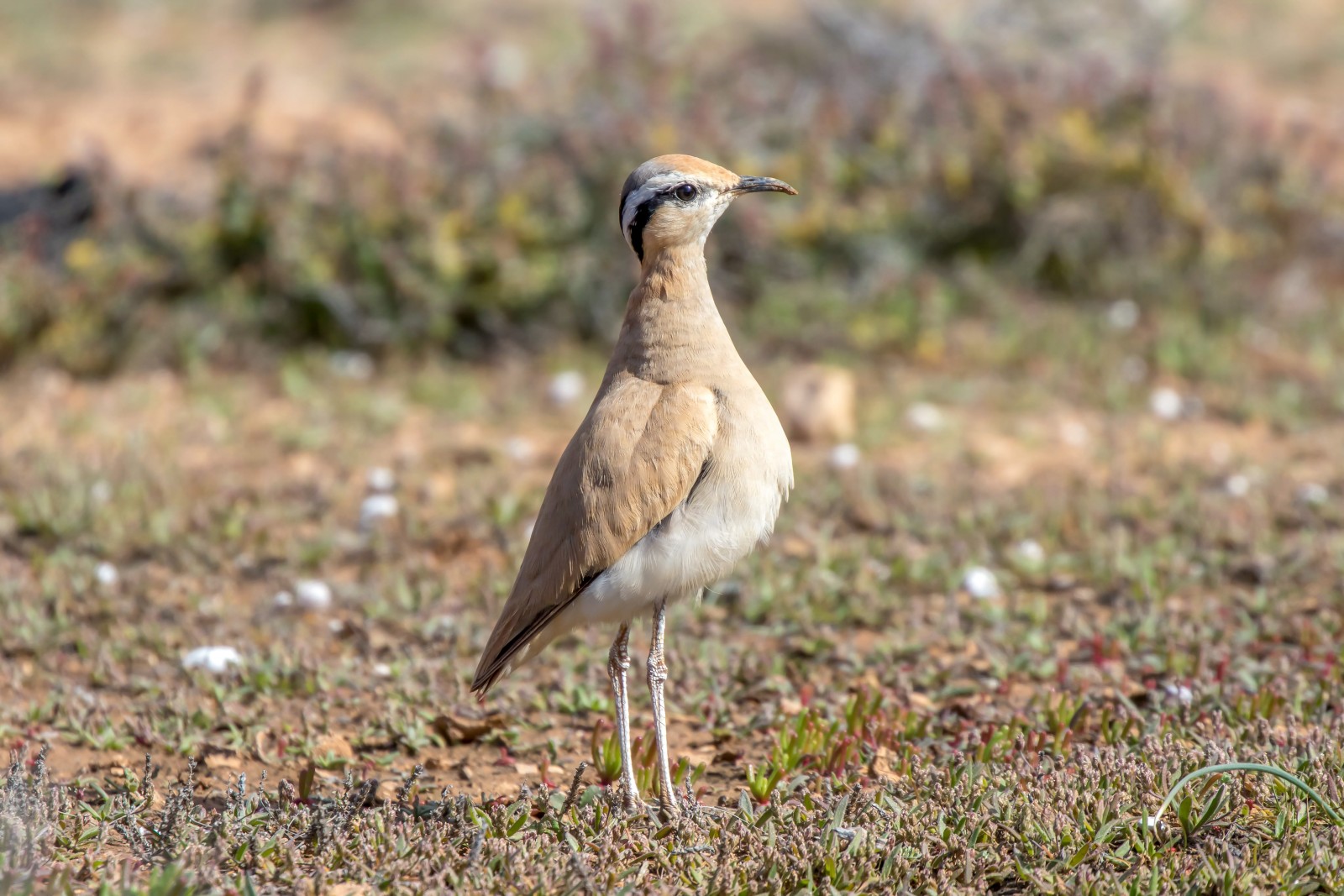
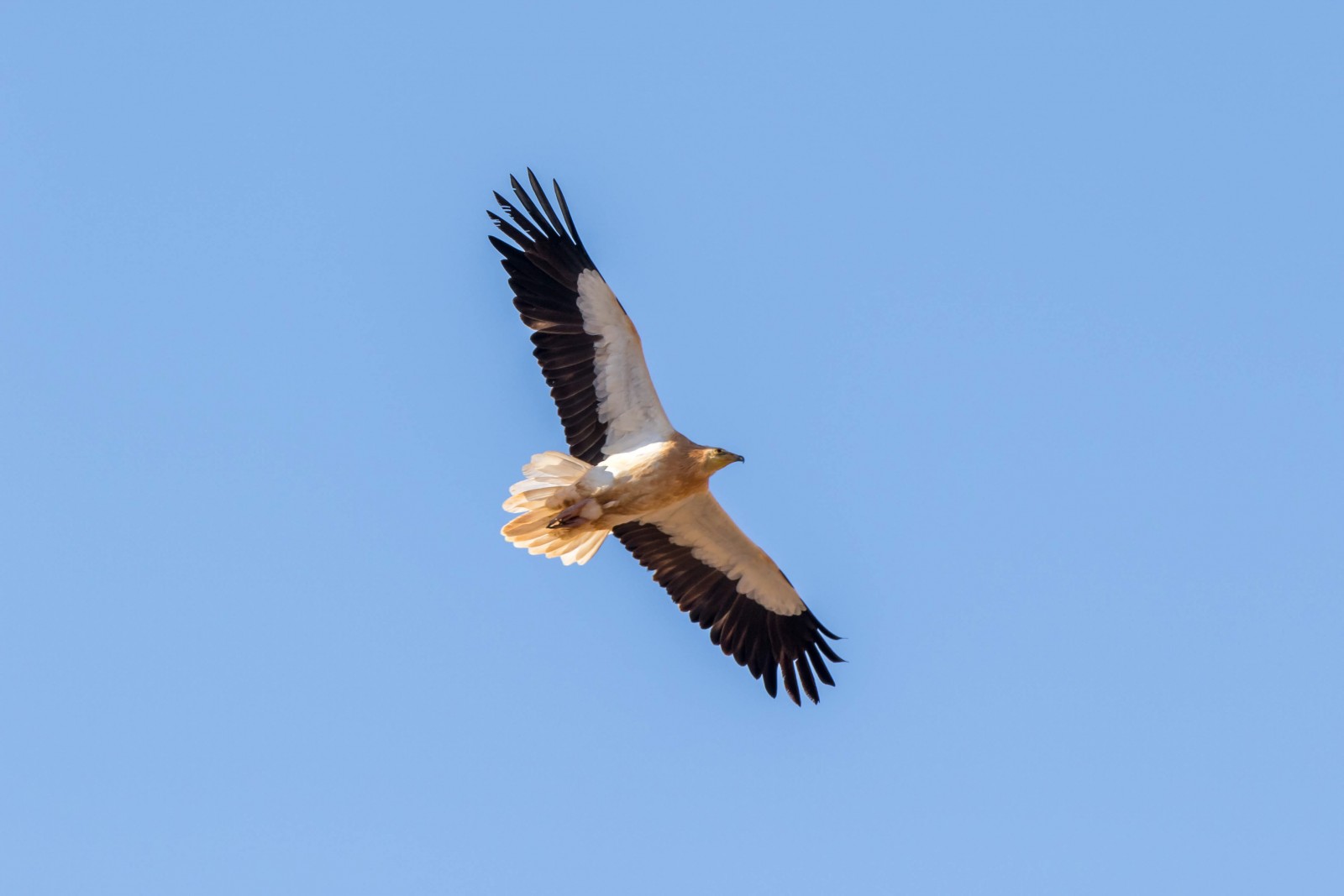
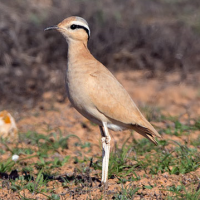
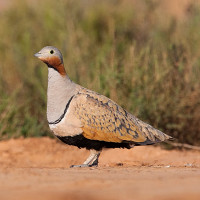
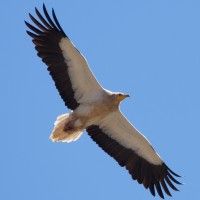
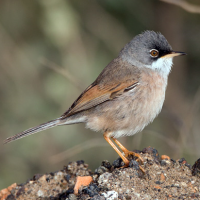
This is a must location for birding on the Island and many of the desert species can be found here hubara saharyjska , raczak zwyczajny , stepówka czarnobrzucha along with kulon (zwyczajny) (Stone-Curlew) , srokosz (Southern Grey Shrike) , klaskawka kanaryjska , skowrończyk mały , pokrzewka okularowa , swiergotek kanaryjski , ścierwnik , gilak pustynny góropatwa berberyjska to mention a few.
Szczegóły
Dostęp
Accessed from the FV10 road and signposted, drive through the village passed Restaurante Los Podomorfos keeping left at the fork on Calle Virgen de la Caridad past a goat farm on the left. There are a series of tracks which cut through and across the plain, most can be driven without 4x4, explore them all.
Teren i siedlisko
Równina , Pustynia , Plaża , MorzeWarunki
Płaski , Suchy , Skalisty , Otwarty krajobraz , PylistyTrasa dookoła
TakCzy luneta będzie przydatna ?
Może być przydatnaUdany sezon obserwacyjny
Przez cały rokNajlepszy czas na wizytę
WiosnaTrasa
Droga nieutwardzonaPoziom trudności szlaku pieszego
Średnio wymagający spacerDostępne
Pieszo , Rower , SamochódCzatownia/platforma obserwacyjna
NieDodatkowe informacje
Drive on all the tracks slowly using the car as a hide, morning and late afternoon are the best times as the climate gets hot and birds can be difficult to see and photograph in the heat haze. The area also has its own micro climate due to the mountain, it can be raining here and clear down the road. Visit more than once if you can, you will something differnt each time. You can also head NW to the Playa de Esquinzo, where the viewpoint is excellent for faeton bialosterny in early summer.
 ) aby wstawić nazwy ptaków w swoim języku ojczystym. Nazwy ptaków zostaną automatycznie przetłumaczone dla innych użytkowników!