Opis
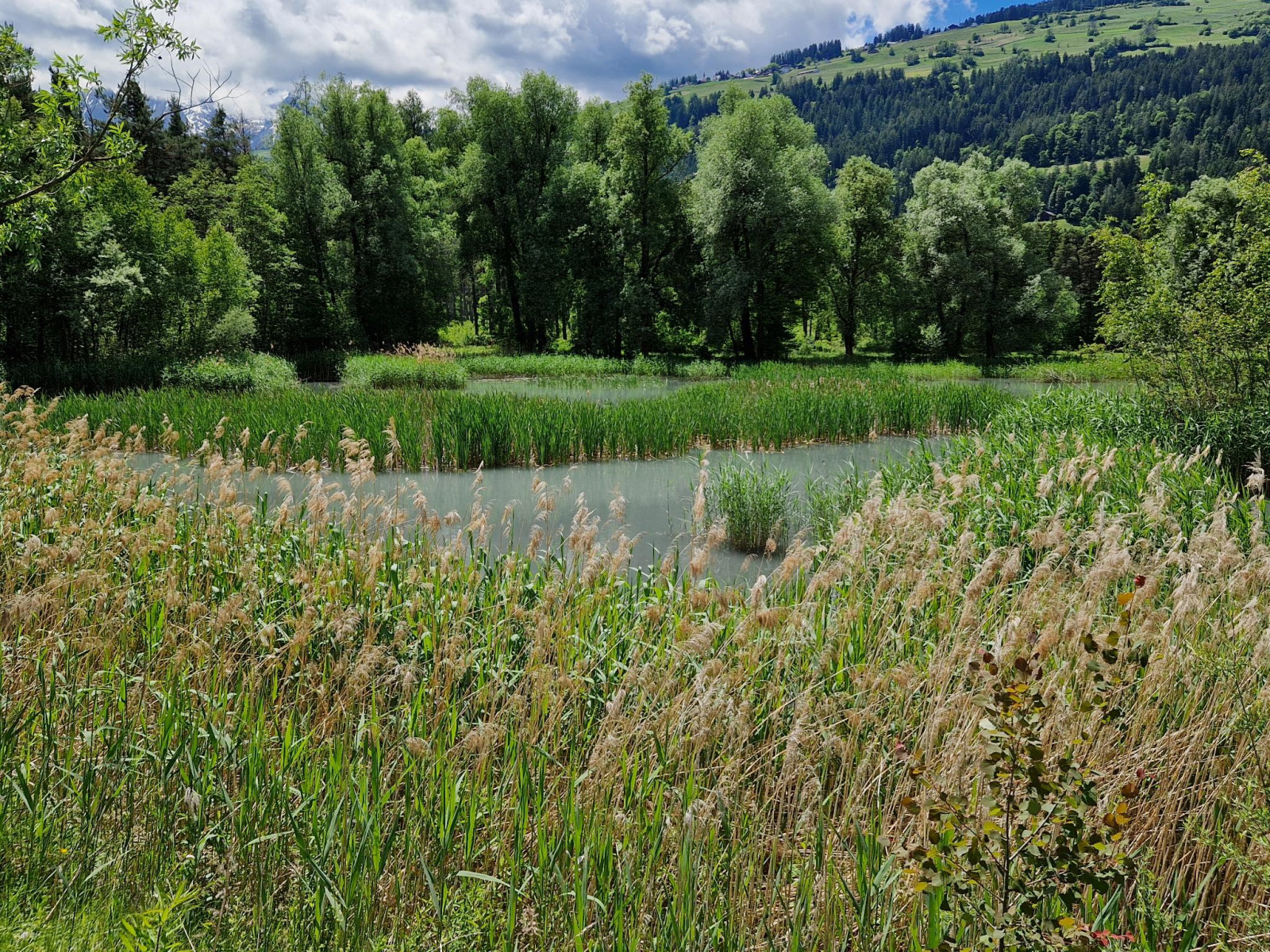
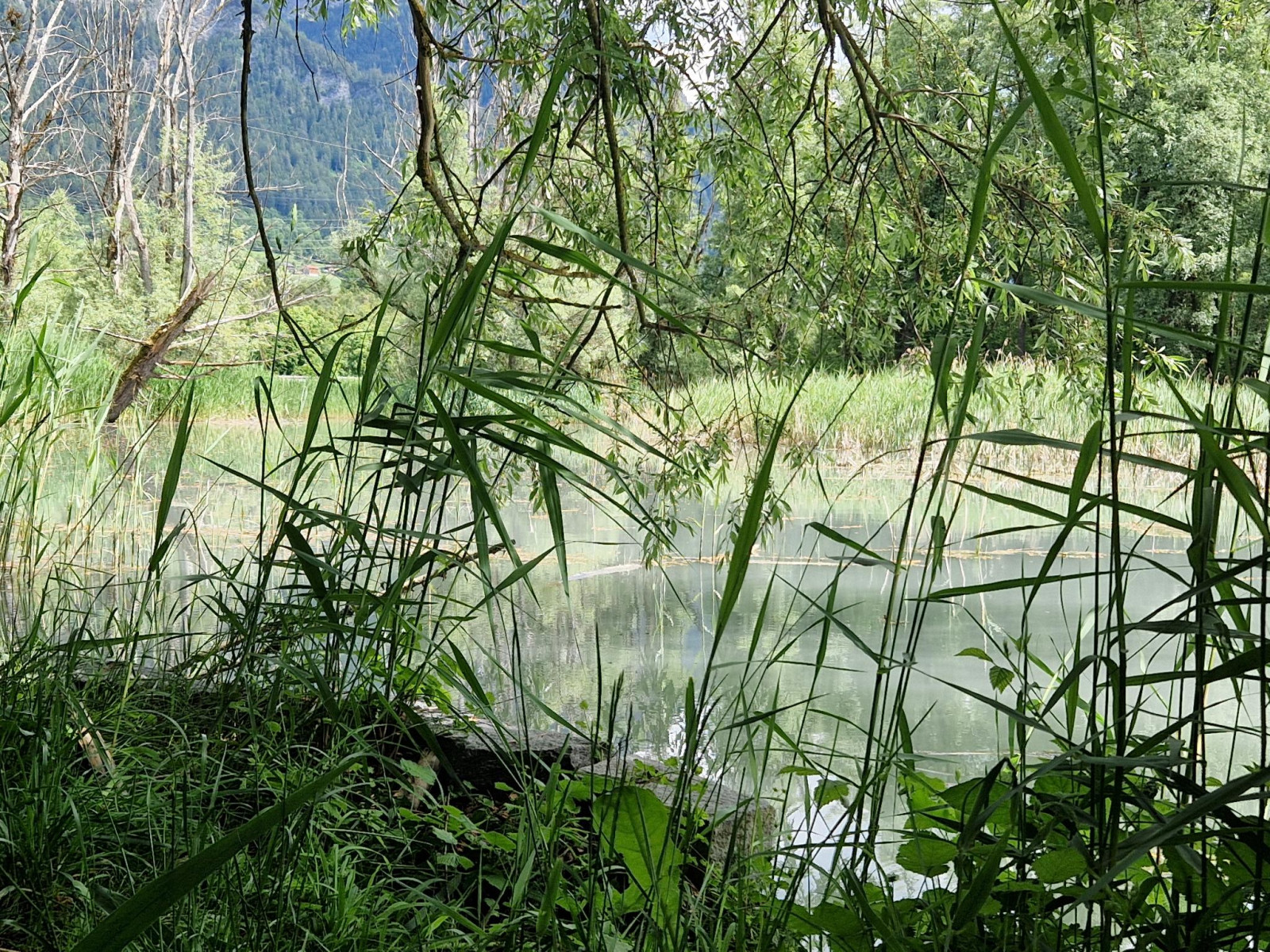
Set within the intensively used valley landscape along the channelized Hinterrhein, the Munté nature reserve at Cazis is the only semi-natural aquatic habitat in the area. Established near the close of the 20th century and covering just 13 hectares, it consists of several shallow ponds fed by Rhine water, bordered by reeds and willows. Other than birds, the area provides a habitat for species such as beaver, badger, and various small mammals.
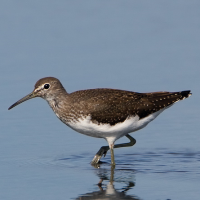
During migration periods, it becomes a resting place for bird species that depend on wetland environments. While the Hinterrhein Valley isn’t a primary migration corridor within Switzerland, a number of notable birds that are rare in the Alpine region have been recorded here. Among the approximately 140 species observed, there are (predominantly spring migration) reports of kszyk, podróżniczek, cyranka, Płaskonos, czapla nadobna, and samotnik. Both czapla purpurowa and ślepowron have been spotted occasionally even into May. In June 2021, a singing trzciniak was confirmed.
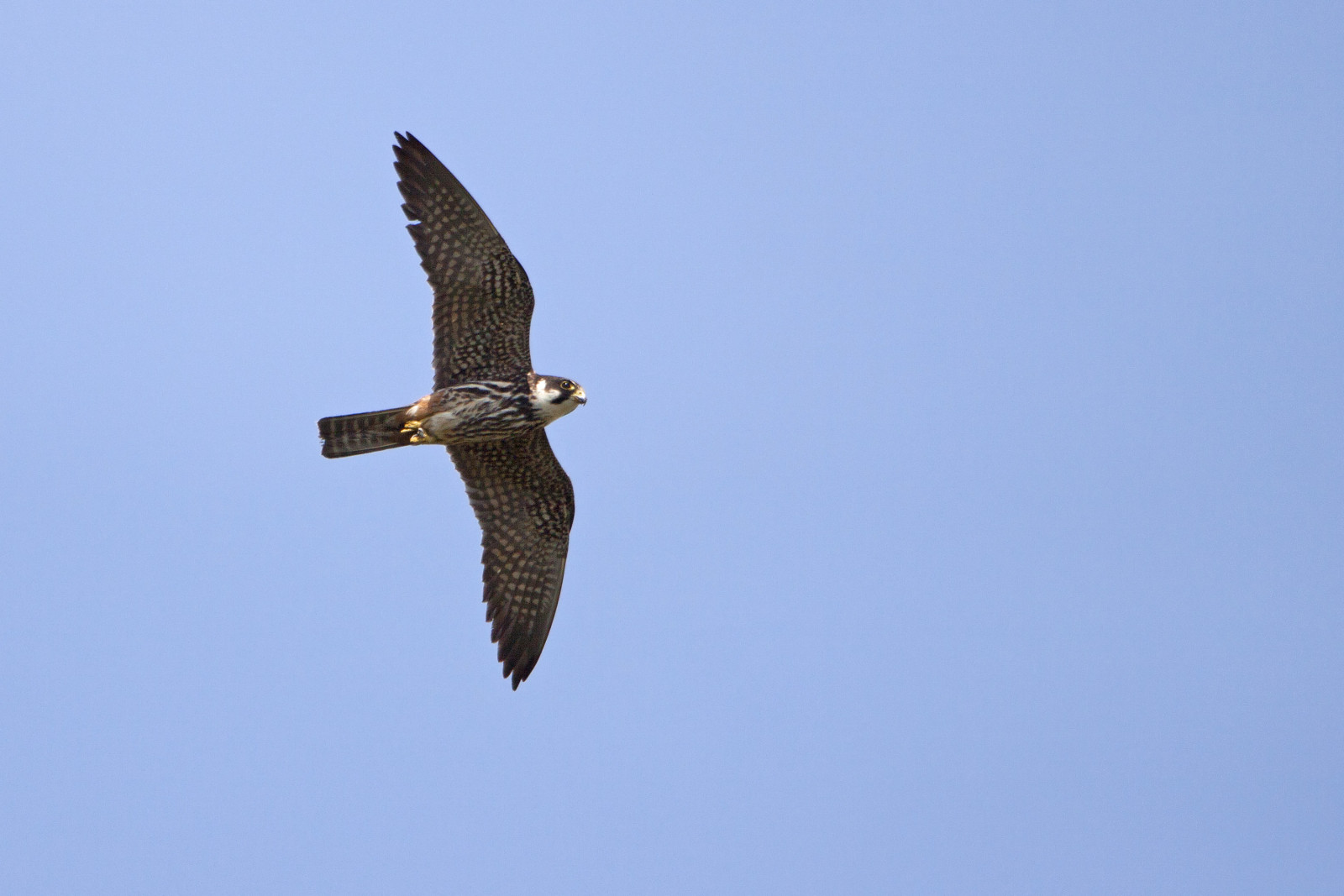
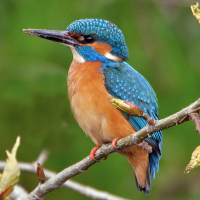
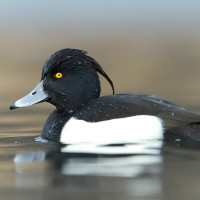
Before and after the breeding season, one may also catch sight of the zimorodek. Verified breeding records are limited to a few species, such as kobuz, perkozek and czernica, though potrzos, pleszka, and kląskawka have also been sighted during safe times (the latter two in the surrounding fields). In autumn, it’s worth watching out for błotniak stawowy, remiz, and czajka. In November, the czapla biała, rare in the canton, was documented. Alongside these sightings, several rarities highlight the potential of this still-young reserve: A czapla modronosa was observed in 2011, followed by a kropiatka in 2012, a krwawodziób in 2019, and a bączek in 2022.
Szczegóły
Dostęp
The Munté site is divided into two pond complexes. One to the north (1) and one to the south (2). Both can be viewed from a slightly raised path that runs parallel to the Rhine and the highway. Additionally, the southern section can be observed from a cross-trail coming from Cazis, which also features a viewing platform at the entrance to the reserve (3). The elevated path is accessible via stairs and is not wheelchair-friendly. The nearest public transport stop is Rodels-Realta, reachable via Rhätische Bahn from Chur or Thusis. A small parking area is also located nearby (click P on the map for directions).
Teren i siedlisko
Las , Tereny podmokłe , Rzeka , Trzcinowiska , Rzadkie drzewa i krzewy , Łąka , StawWarunki
PłaskiTrasa dookoła
NieCzy luneta będzie przydatna ?
NieUdany sezon obserwacyjny
Wiosna , JesieńNajlepszy czas na wizytę
Wiosenne migracje , Jesienne migracjeTrasa
Szeroka ścieżka , Droga nieutwardzonaPoziom trudności szlaku pieszego
ŁatwyDostępne
Pieszo , Rower , Wózek inwalidzkiCzatownia/platforma obserwacyjna
NieDodatkowe informacje
For the best experience, it’s recommended to visit the reserve during quieter times on the close-by highway. Early morning is ideal. In the vicinity, two additional sites are well worth a visit: the Heinzenberg to the west, where pokląskwa breeds in high numbers, and the Rhine dam area near Reichenau/Tamins, known as a nesting ground for brodziec piskliwy.
 ) aby wstawić nazwy ptaków w swoim języku ojczystym. Nazwy ptaków zostaną automatycznie przetłumaczone dla innych użytkowników!