Opis
Its easy accessibility via the Beatenbergbahn cable car and its location on the beautiful Lake Thun make the Niederhorn a popular excursion destination, which can also be combined with ornithological observations. Although the diversity is, with a good 80 recorded species, not as significant as on the plain, some mountain birds can be observed here relatively easily and against a beautiful backdrop.
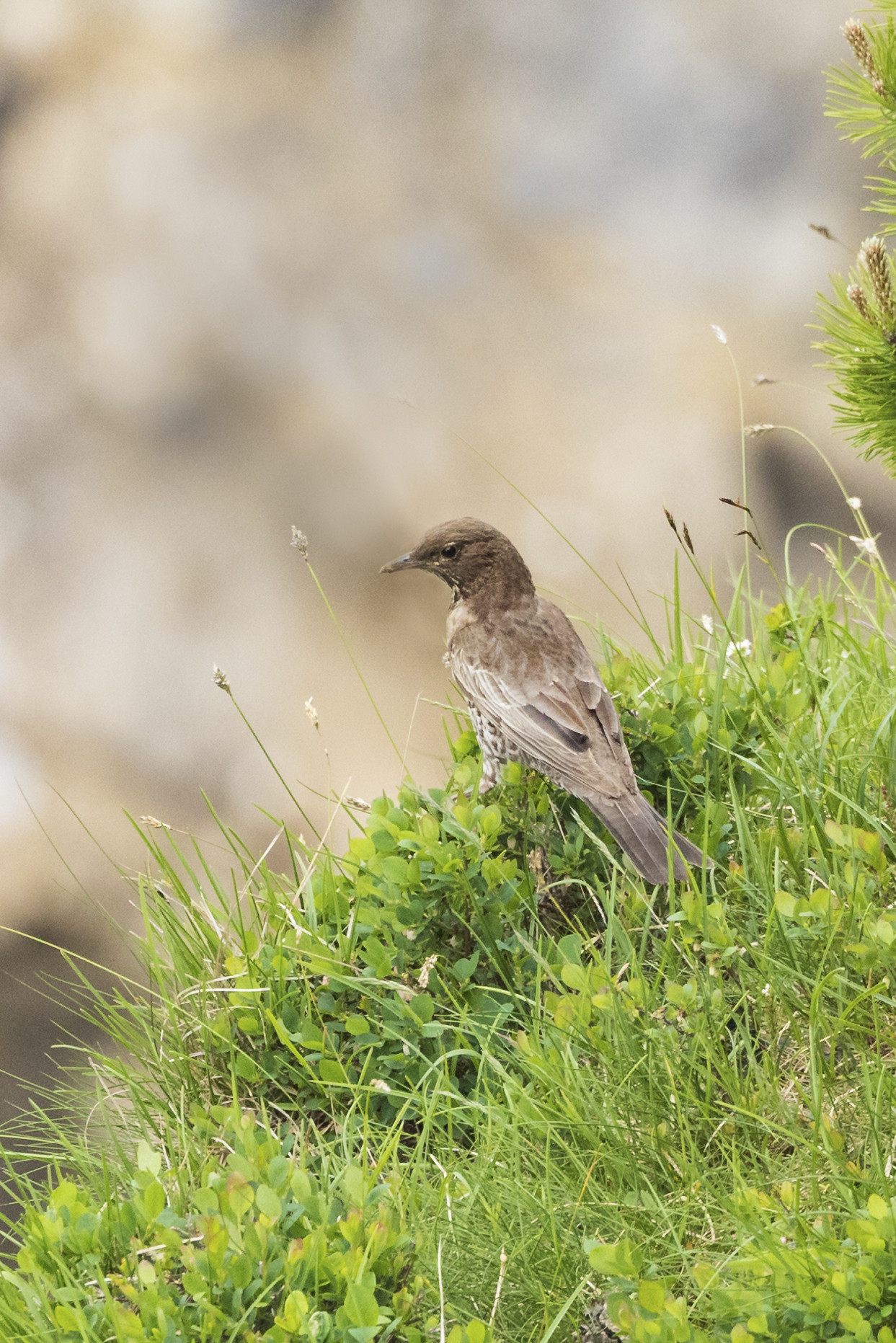
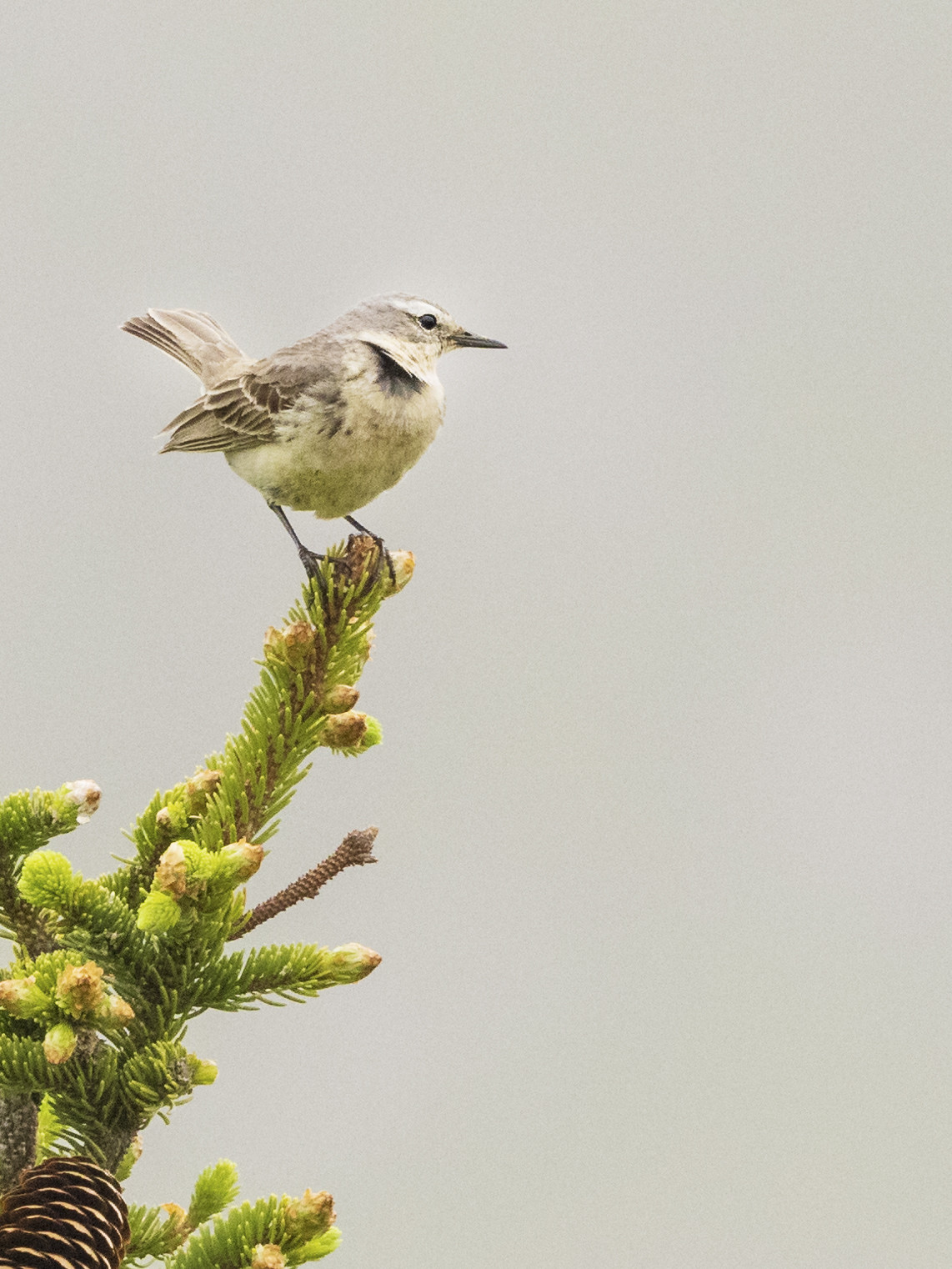
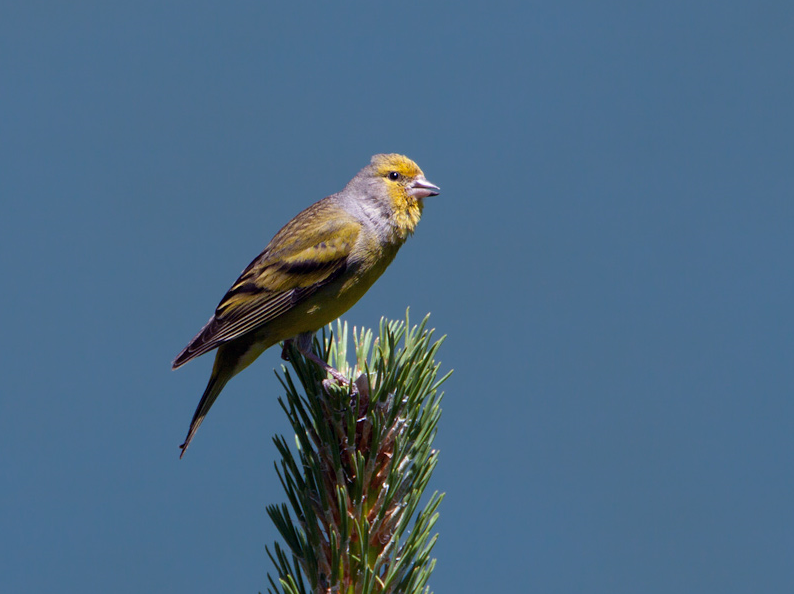
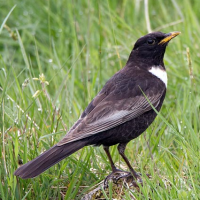
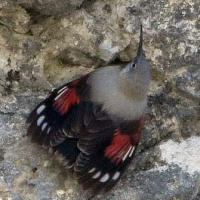
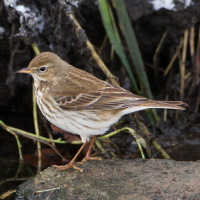
From the mountain station (Niederhorn), you can start a ridge walk between steeply sloping rock to the west and gently sloping mountain meadows to the east. These meadows merge into mountain forest, which is still in sight. The rocks to the west are home to flight artists such as płochacz halny, pomurnik, and wieszczek. The osetnik can be found in the meadows and near the trees. The calls of the siwerniak , which breeds in the meadows, are omnipresent. świergotek łąkowy have also been observed on rare occasions. With luck, the two species of grouse, which are sensitive to disturbance, can be observed. The calls of the dzięcioł czarny can be heard from the forest and the dzięcioł trójpalczasty can also be observed. There is also a good chance of seeing the drozd obrożny, białorzytka and krzyżodziób świerkowy up close.
Szczegóły
Dostęp
The Niederhorn is accessible via the Beatenbergbahn in Beatenberg (see link below). Press P on the map for directions to the parking near the cable car station. It is advisable to be in the area early, as the cable car is heavily used by tourists. There are a number of viewing platforms along the way that offer good views of the cliffs. The trail is relatively easy and about 2,5 km one way.
Teren i siedlisko
Las , Góry , Kanion/klif , Rzadkie drzewa i krzewy , ŁąkaWarunki
GórzystyTrasa dookoła
NieCzy luneta będzie przydatna ?
NieUdany sezon obserwacyjny
Jesień , LatoNajlepszy czas na wizytę
LatoTrasa
Szeroka ścieżka , Droga nieutwardzonaPoziom trudności szlaku pieszego
Średnio wymagający spacerDostępne
PieszoCzatownia/platforma obserwacyjna
NieDodatkowe informacje
The cliffs and meadows are home to ibex, which can be observed at close proximity.

 ) aby wstawić nazwy ptaków w swoim języku ojczystym. Nazwy ptaków zostaną automatycznie przetłumaczone dla innych użytkowników!