Opis
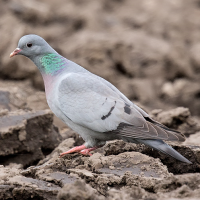
The Rohanschanze (1) is a barely visible defensive fortification dating back to the Thirty Years’ War. The former ramparts are now crowned with ancient oaks, and the siniak can be seen here and in the surrounding fields.
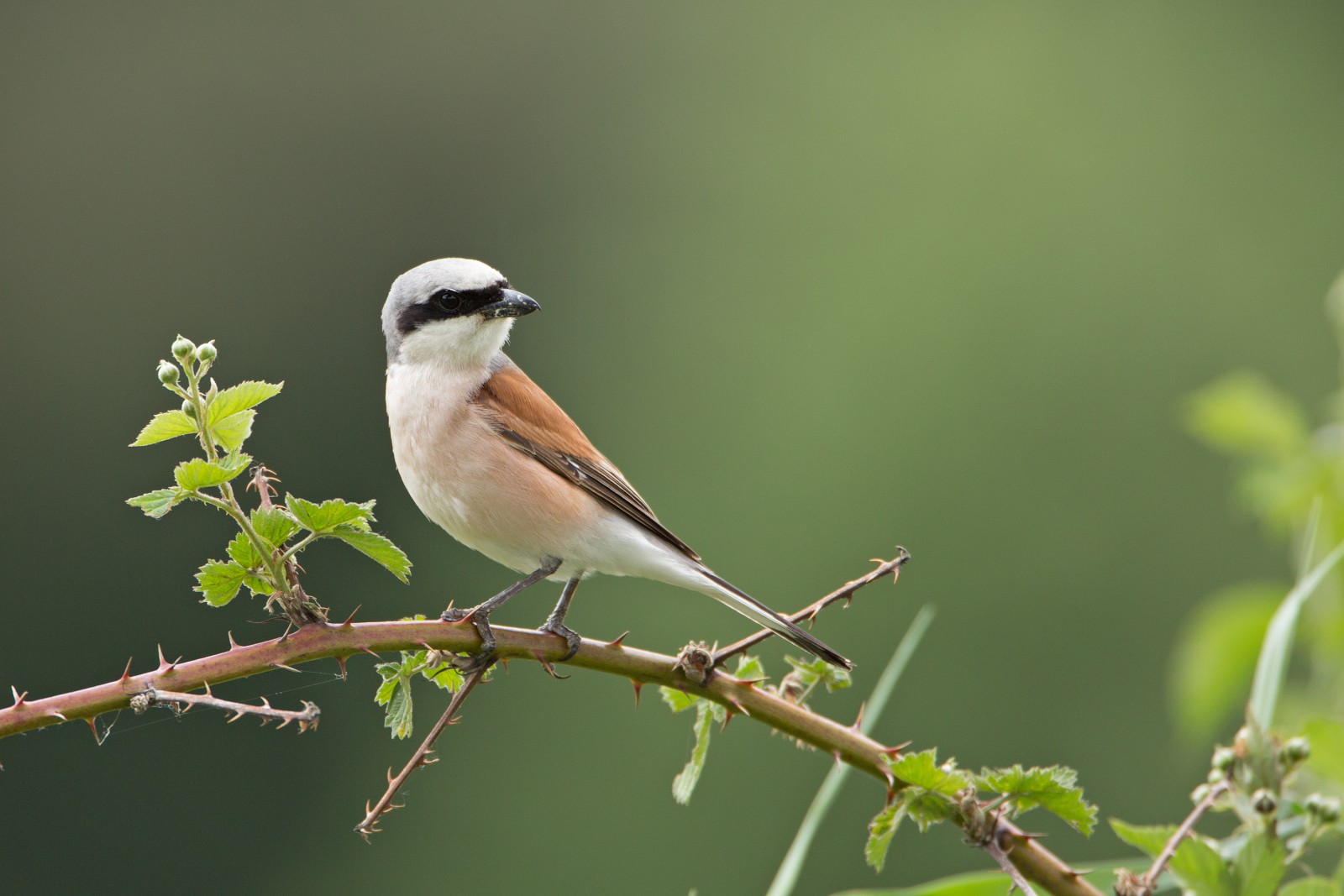
Right next to the site lies a traditionally managed meadow enclosed by hedges (2), offering breeding grounds for birds of the cultural landscape that have become increasingly rare, such as the gąsiorek and the pleszka. During migration, pokląskwa and kląskawka are often spotted, and there are records of the srokosz from late autumn and winter.
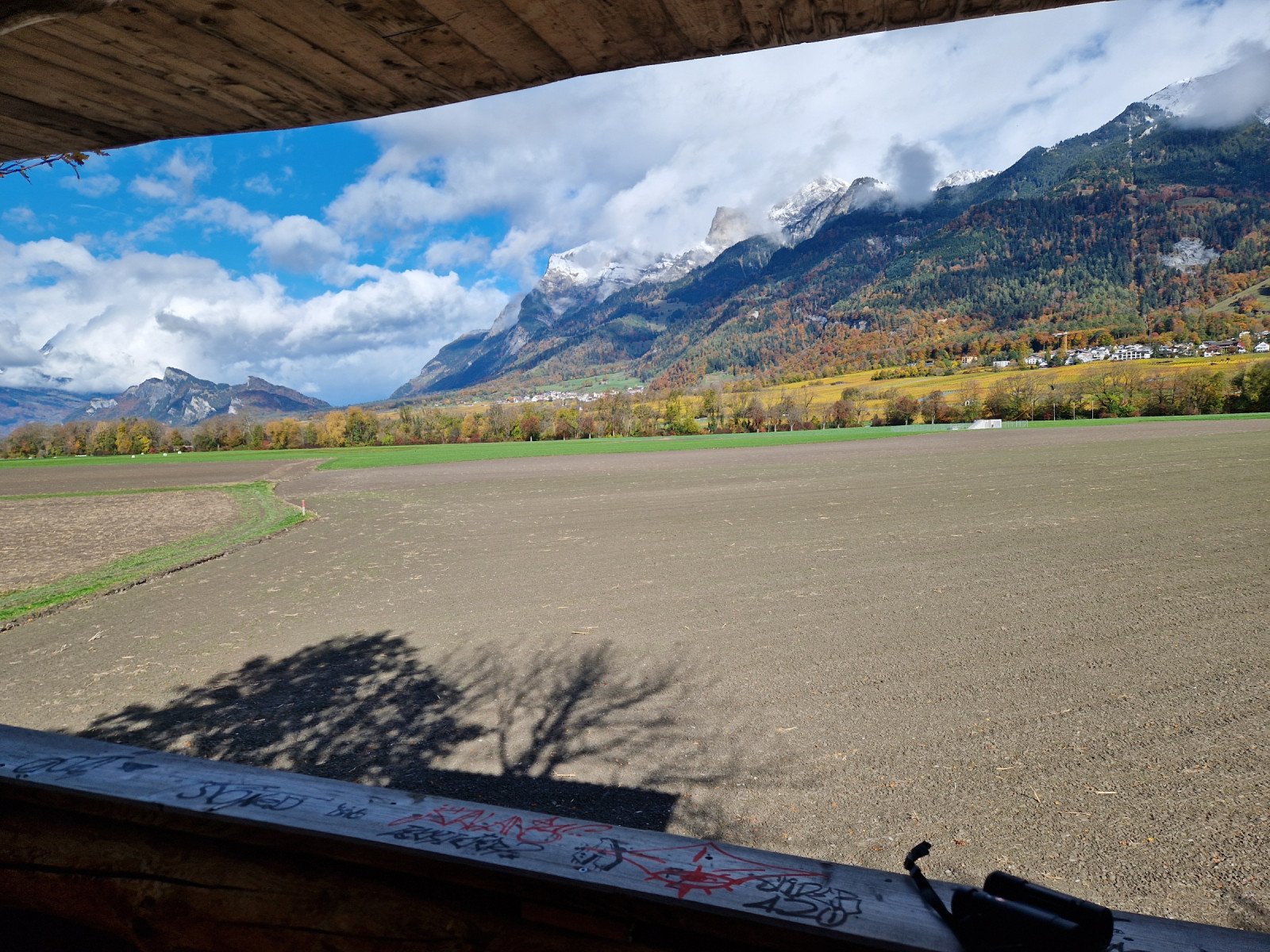
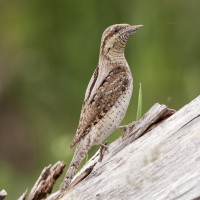
The intensively cultivated fields around the area (3), visible from an observation platform facing north, provide resting places for migrating pipits, wagtails, and larks — mainly in spring, but also in autumn. Nearly every spring, the błotniak łąkowy is sighted passing through this corridor. It’s worth scanning the more distant trees for resting kobczyk or żołna — both rare species that are nonetheless seen here regularly. From these trees, you may also hear the distinctive song of the krętogłów.
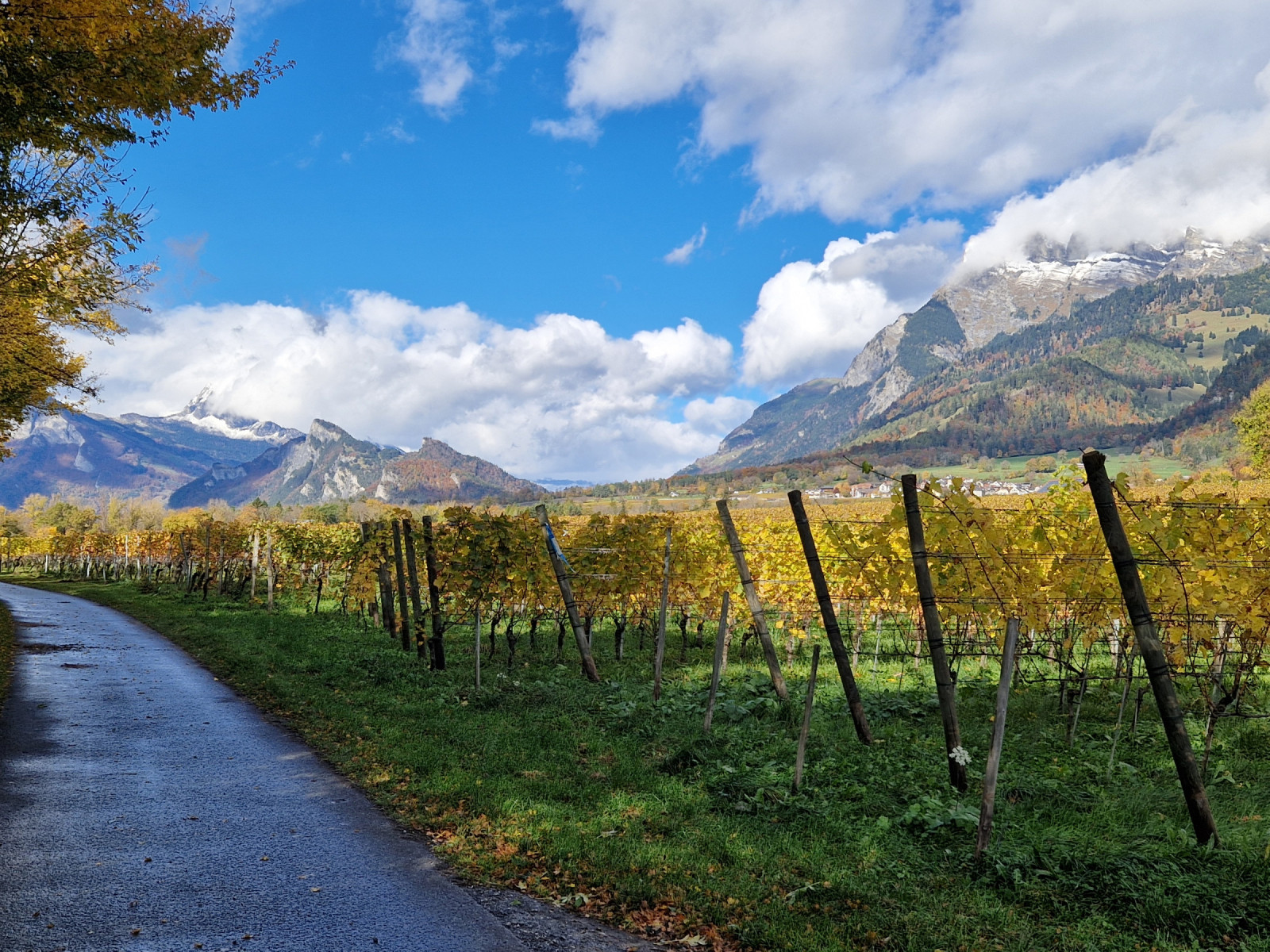
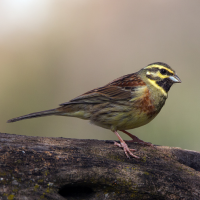
Those who follow the path further east reach the southernmost vineyards of the Bündner Herrschaft (4), home to characteristic birds of these landscapes such as the cierlik and trznadel, both of which breed here.
Nearly 200 species have been recorded in total — owing to the fact that the area is regularly visited by Graubünden’s most dedicated birders. Among the very rare sightings are two records of dzierzba czarnoczelna (1967 and 1974), three of dzierzba rudogłowa, one of kulon (zwyczajny), and, more recently, two of skowrończyk krótkopalcowy, a species that will likely appear here more often in the future.
Szczegóły
Dostęp
The area is best reached either from Landquart train station (it's a bit tricky to find the way across the motorway and railroad tracks) or from Malans train station. Those are also the best parking spots if you arrive by car.
Teren i siedlisko
Równina , Rolnictwo/uprawy , Łąka , Rzadkie drzewa i krzewyWarunki
PłaskiTrasa dookoła
TakCzy luneta będzie przydatna ?
Może być przydatnaUdany sezon obserwacyjny
Wiosna , Jesień , LatoNajlepszy czas na wizytę
Wiosenne migracjeTrasa
Szeroka ścieżkaPoziom trudności szlaku pieszego
ŁatwyDostępne
Pieszo , Rower , Wózek inwalidzkiCzatownia/platforma obserwacyjna
TakDodatkowe informacje
To the north, the Siechenstuden and the Maienfeld vineyards can be visited (see the respective entries on this page).
 ) aby wstawić nazwy ptaków w swoim języku ojczystym. Nazwy ptaków zostaną automatycznie przetłumaczone dla innych użytkowników!