Opis
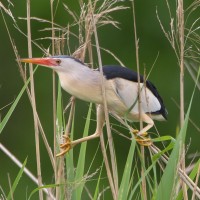
Rouelbeau can be conveniently visited after a trip to the nearby Marais de Sionnet (also described on Birdingplaces). Both sites are results of the Seymaz River renaturation projects carried out in the 2000s. Unlike the Marais de Sionnet, Rouelbeau lacks the floodplains suitable for waders. Among the 175 species recorded here, regular visitors and residents of the reedbeds include bąk and bączek, along with other notable species.
Once a marsh, Rouelbeau is now a 410-meter-long but only a few dozen meters wide pond surrounded by reeds. It can be observed from one of its narrow ends. While the pond and reedbeds are interesting year-round, the surrounding fields are especially rich in surprises during migration periods.
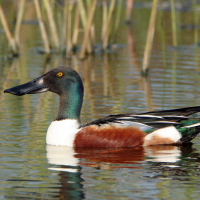
Focusing on the pond area, winter offers good chances of seeing hełmiatka and Płaskonos, with świstun and rożeniec becoming rarer in recent years. cyranka can be observed from spring to autumn, and nurogęś is present year-round. The pond also attracts some escapees, with records of mandarynka, karolinka, Netta peposaca, and Anas bahamensis.
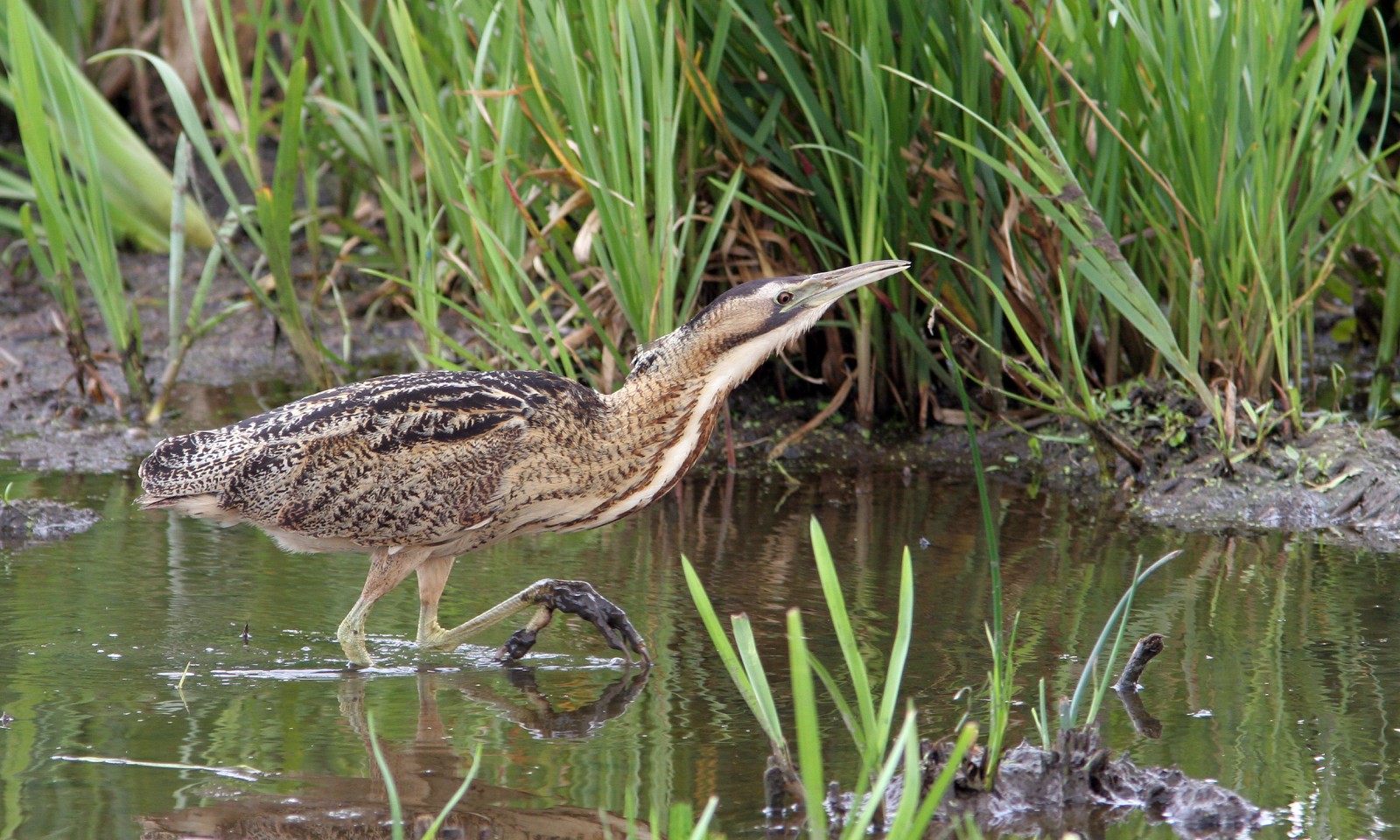
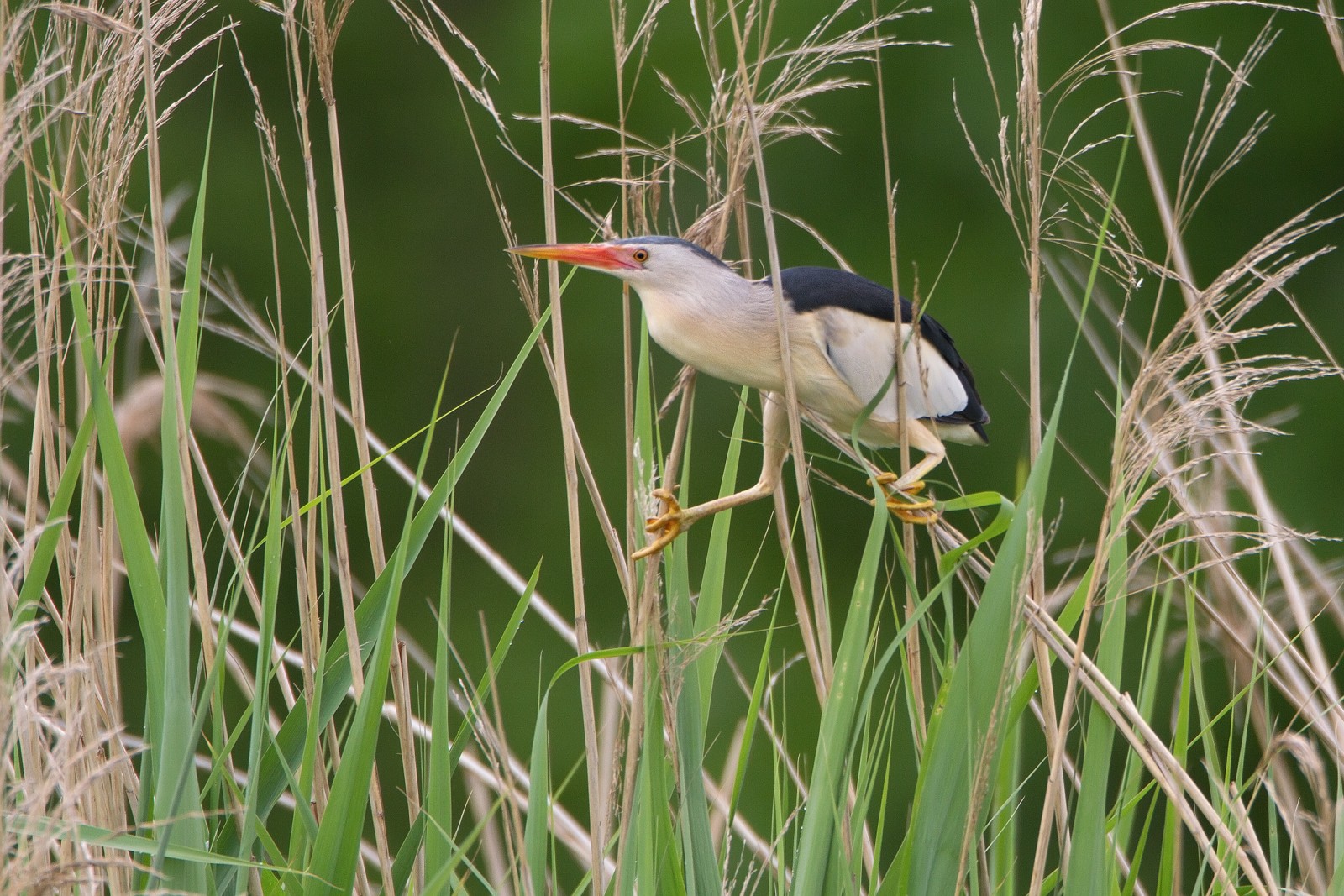
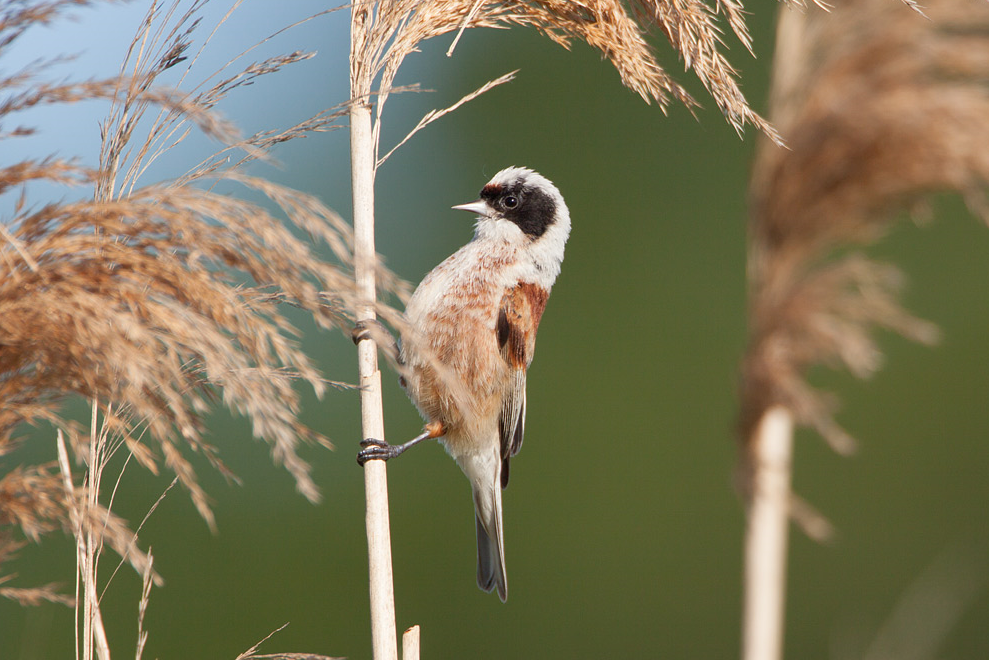
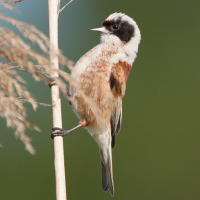
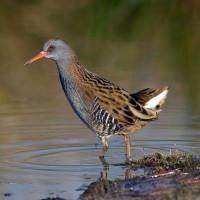
The reedbeds are dominated by kokoszka (zwyczajna), trzcinniczek (zwyczajny), and czapla siwa. Among them, other species like zimorodek, wodnik (zwyczajny), and perkozek, which are present year-round, and trzciniak, which breeds here, may be encountered. During migration, remiz, rokitniczka, ślepowron, and czapla purpurowa can be seen. bączek breeds here in spring and summer, while bąk visits only in winter, accompanied by błotniak stawowy and czapla biała.
In the marginal areas, waders such as sieweczka rzeczna and brodziec śniady were more common in the past. Today, samotnik, kszyk, and czajka are occasional guests during migration, with the latter two sometimes staying into the winter months.
From April to May, the surrounding fields and hedges are worth exploring for pokląskwa, siniak, bażant, słowik rdzawy, gąsiorek, zaganiacz szczebiotliwy, and świergotek łąkowy. The likelihood of spotting a rarer pipit or breeding bird here may be greater than within Rouelbeau itself. The notable rarities recorded, including czapla modronosa, biegus krzywodzioby, and szczudłak, date back to the early 2000s.
Szczegóły
Dostęp
Rouelbeau can be reached on foot from the Marais de Sionnet (1) in about 15 minutes. During migration, it’s worth checking the surrounding fields and hedges on the way for pipits, buntings, and various warblers. If you want to start at Rouelbeau itself, the nearest bus stops are Carre d’Amont or Meinier, Pralys. For those arriving by car, parking is available at the nearby sports center (Press P on the map for directions). However, the best way to explore the area is by bike.
Unfortunately, the site itself can only be observed from one location (2), with most waterbirds usually gathering at the far end (3). Bringing a scope and a bit of patience is highly recommended!
Teren i siedlisko
Rzadkie drzewa i krzewy , Łąka , Równina , Trzcinowiska , Rolnictwo/uprawy , StawWarunki
PłaskiTrasa dookoła
NieCzy luneta będzie przydatna ?
TakUdany sezon obserwacyjny
Przez cały rokNajlepszy czas na wizytę
Wiosenne migracje , Zima , Jesienne migracjeTrasa
Szeroka ścieżkaPoziom trudności szlaku pieszego
ŁatwyDostępne
Pieszo , RowerCzatownia/platforma obserwacyjna
NieLinki
- Excellent description by Alexandre Meisser (French)
- Bar-chart on E-Bird
- Description of the renaturation efforts by the community (French, pdf)
 ) aby wstawić nazwy ptaków w swoim języku ojczystym. Nazwy ptaków zostaną automatycznie przetłumaczone dla innych użytkowników!