
Opis
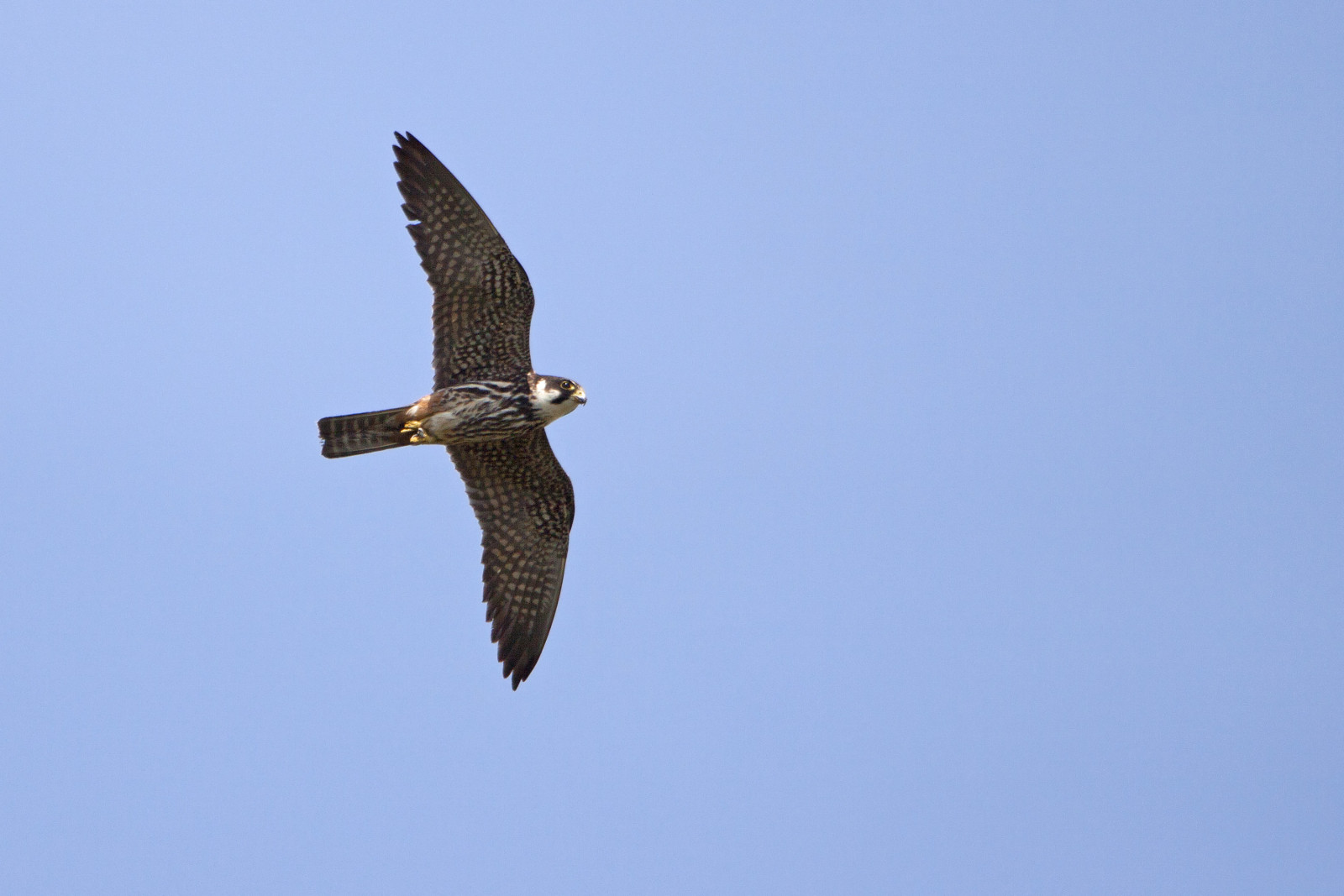
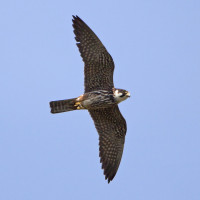
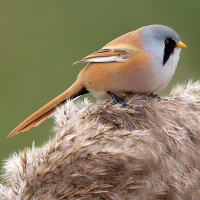
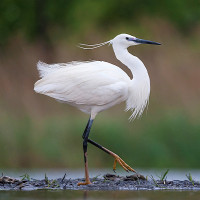
As it's less well watched Westbere is a quieter destination than elsewehere in the Stour valley although the marshes attract many of the same species. The reeds hold trzcinniczek (zwyczajny), rokitniczka (summer) and wąsatka and the scrub nearby wierzbówka zwyczajna. myszołów breed nearby, sokół wędrowny may pass overhead, błotniak stawowy quarter the reedbeds and in spring/summer kobuz can be seen hawking overhead. czapla nadobna are sometimes joined by czapla biała and bąk occur in winter. The lakes hold czernica, głowienka, krakwa , perkoz dwuczuby and sometimes scarcer waterfowl. It can also be good for brzegówka, dymówka and oknówka. Check the Alders for czyż and czeczotka
Szczegóły
Dostęp
Easiest accessed via the footpath over the railway line in Westbere (in Walnut Tree Lane) although alternatively you can walk to the area from Fordwich (either catching the bus back to nearby Sturry or returning as you came). Most of the route is along a reasonably dry path but the walk along the riverbank to the east can be very swampy. Although it is possible to make this a circular route by taking a route through Westbere and a footpath beside the railway, the birding is more productive if you return along the river.
Teren i siedlisko
Jezioro , TrzcinowiskaWarunki
Otwarty krajobraz , BagiennyTrasa dookoła
NieCzy luneta będzie przydatna ?
Może być przydatnaUdany sezon obserwacyjny
Przez cały rokNajlepszy czas na wizytę
WiosnaTrasa
Wąski szlakPoziom trudności szlaku pieszego
ŁatwyDostępne
PieszoCzatownia/platforma obserwacyjna
NieDodatkowe informacje
The marshes are home to a recently discovered colony Green-eyed or Norfolk Hawker (Aeshna isoceles) one of the few in the UK outside East Anglia. Both Westebere and Fordwich have pubs where you can have a meal. The proximity of a rail station at Sturry and a regular bus service connecting Sturry and Westbere (along Canterbury-Thanet A 28 road) make this a good site for those without a car.
 ) aby wstawić nazwy ptaków w swoim języku ojczystym. Nazwy ptaków zostaną automatycznie przetłumaczone dla innych użytkowników!