
Opis
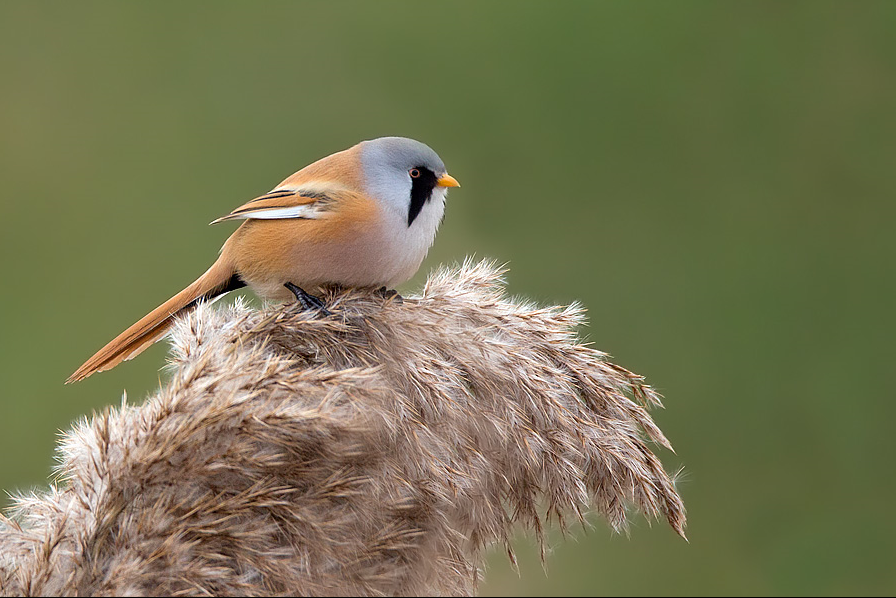
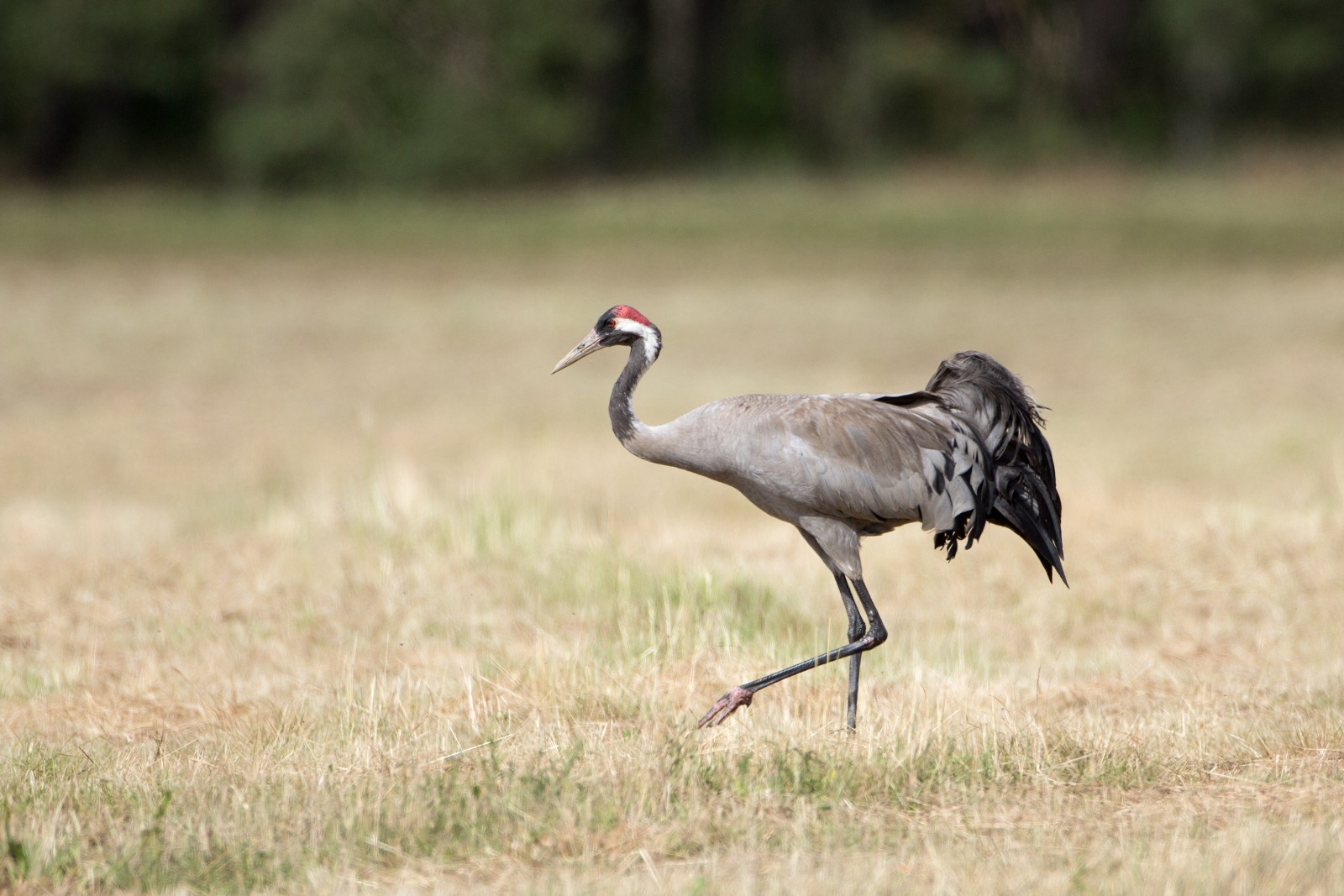
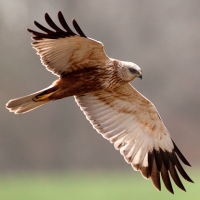
Hickling Broad is situated on the Upper Thurne river system, which holds a significant percentage of the UK population of żuraw as well as important breeding numbers of bąk, błotniak stawowy, wąsatka and wierzbówka zwyczajna. You can see any of these species throughout the year. Interesting mammals at the site include the introduced Chinese Water Deer, as well as native Roe Deer and Red Deer. Keen observers may also find Otter and Water Vole (although both are more difficult to spot).
In winter, large numbers of błotniak stawowy roost in the reedbed north east of Stubb Mill (see Stubb Mill listed as a seperate site on BirdingPlaces). Both drzemlik and błotniak zbożowy are can be seen around the reserve for lucky observers. Brendan's Marsh, on the eastern side of the reserve, will be packed with wildfowl including cyraneczka, świstun, Płaskonos and more! Waders including kszyk and czajka will also be found here. A keen eyed birder may also notice a siwerniak feeding on the muddy banks. On Hickling Broad itself, look out for diving ducks including czernica, głowienka and gągoł. There may also be ogorzałka, nurogęś and even bielaczek following harsher winter conditions.
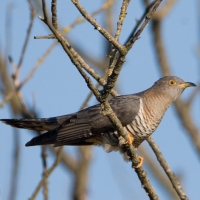
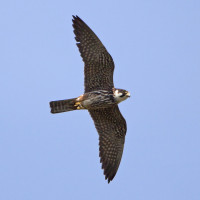
In the summer, the reedbeds are alive with the sounds of warblers including trzcinniczek (zwyczajny), rokitniczka and świerszczak. You may also find kukułka, piecuszek and cierniówka around the reserve. The reserve may soon be home to warzęcha and czapla biała year round, as they seem likely to be future colonisers here, but both species can be seen on the reserve during the summer months. The wetland will be busy with dragonfly and butterfly activity, including the rare Swallowtail butterfly! Making the most of the insects will be kobuz, which will be swooping over the reeds in search of prey. Look out for cyranka, sieweczka rzeczna and szablodziób on Brendan's Marsh.
In spring and autumn, Hickling Broad can be a fantastic place to experience wader passage, with Brendan's Marsh and Swim Coots scrapes being the best locations to see this (the latter only accessible via one of the NWT's Hickling Broad boat trips). Expect to find biegus zmienny andsieweczka obrożna on Brendan's Marsh, as well as samotnik, kwokacz and other long-distance migrants. Scarcities here have included łęczak, biegus malutki, biegus mały, biegus krzywodzioby, biegus arktyczny and maybe even more!
The reserve is a hotspot for rarities, and in recent springs, czapla purpurowa, żwirowiec łąkowy, szczudłak, kobczyk, żołna and brzęczka have all been seen! You never know what you may find here.
Szczegóły
Dostęp
From Hickling village follow the signs to the nature reserve. There is a large car park (grid ref TG 428 221), visitor centre and toilets. There is disabled car parking provision and a rough surface leading to the centre where there is a disabled toilet, hearing loop and a wheelchair available. From the visitor centre there are a number of accessible trails, both compacted hoggin or boardwalk which give easy access to two hides as part of a circular route.
The Norfolk Wildlife Trust organise boat trips as an alternative way to experience the reserve, and is the only way to access Swim Coots hide and scrape. Look on the Norfolk Wildlife Trust's website for more details and to book a boat trip with them.
 ) aby wstawić nazwy ptaków w swoim języku ojczystym. Nazwy ptaków zostaną automatycznie przetłumaczone dla innych użytkowników!