Opis
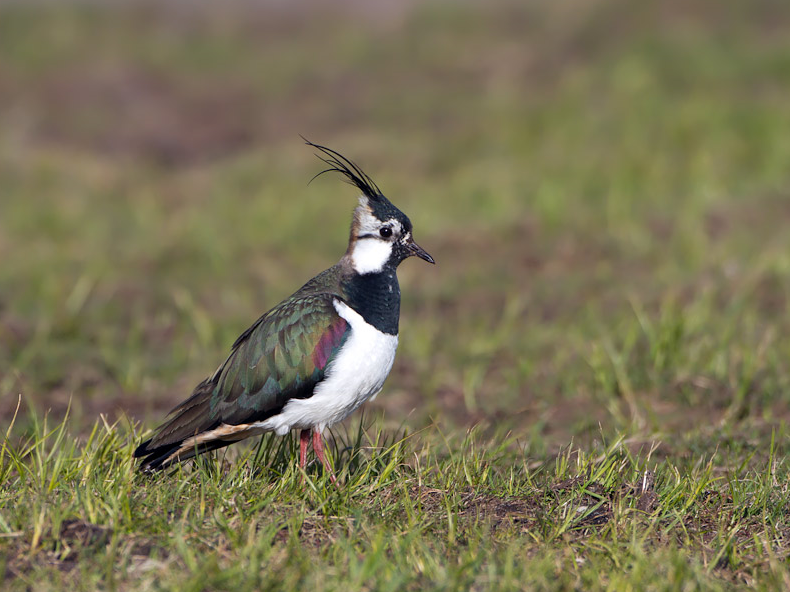
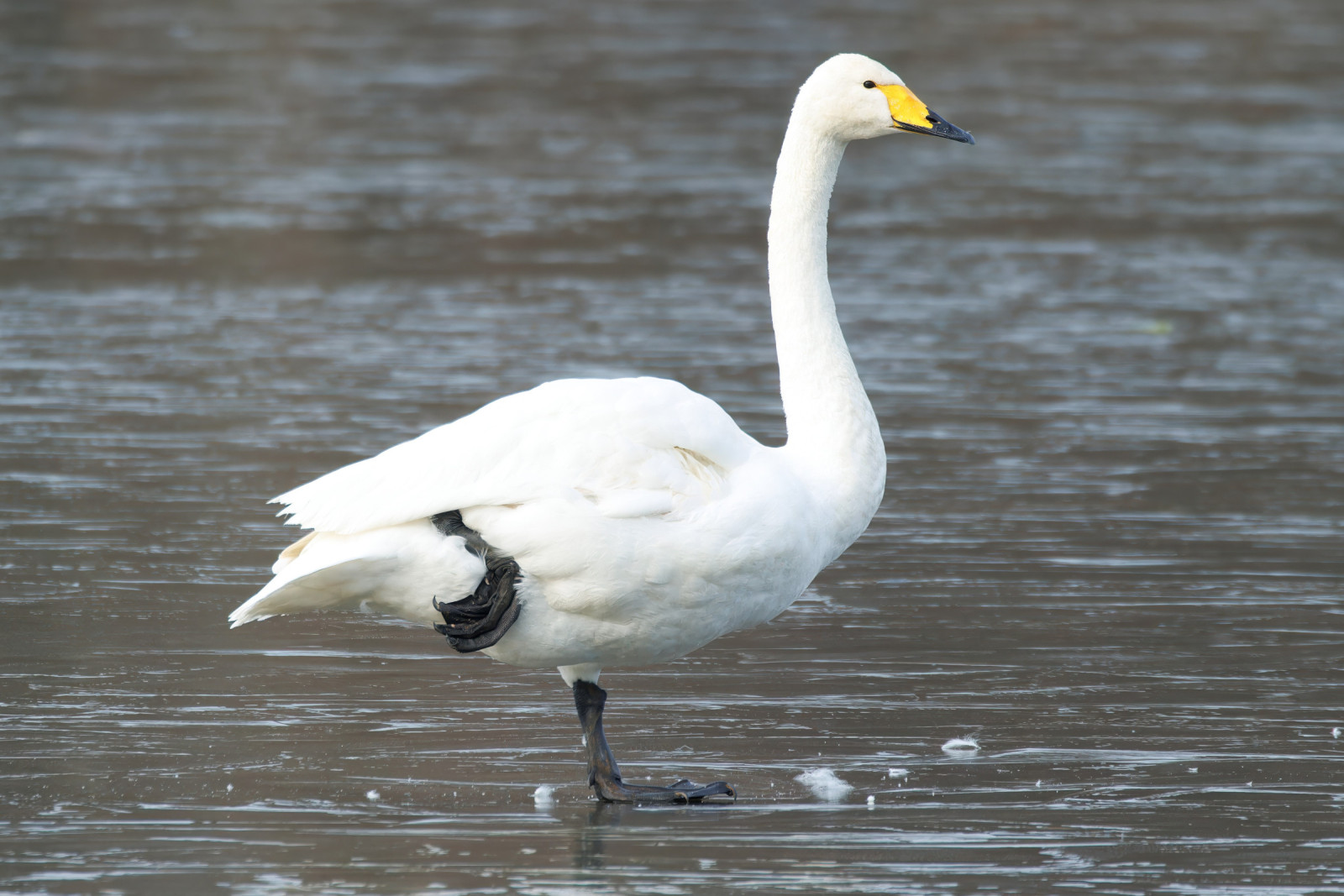
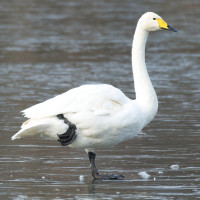
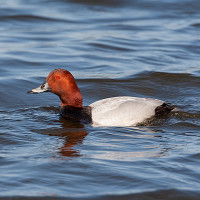
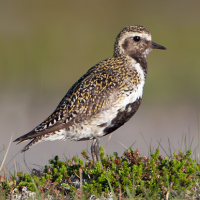
Portmore Lough is a lowland, wet-grassland reserve. The range of wetland habitats provide a home for a wide variety of wildlife. In spring, czajka can be seen displaying over the wet grassland, whilst skowronek sing from high overhead. Butterflies and dragonflies dart along the path to the hide. The rybitwa rzeczna colony can be heard from the lough, as the terns busy themselves raising their young on the nesting rafts. Autumn brings lots of wildfowl, łyska, głowienka and czernica ducks gather in large rafts on the lough. Raptors, including błotniak stawowy and błotniak zbożowy can often be seen hunting over the reedbed at this time of year. łabędź krzykliwy and gęgawa arrive from Iceland in October to overwinter at the reserve until April. In late winter, huge swirling flocks of czajka and siewka złota fly over the flooded meadows.
Szczegóły
Dostęp
From the M1 motorway come off at Junction 9, Moira roundabout, and head up the A26 towards the International Airport and Antrim. Go under the railway bridge and pass the Glenavy Road Service Station on the right. Take the second road on the left. It is signposted to the village of Aghalee. This is the Soldierstown Road. Stay on this road to the village of Aghalee. The reserve is signposted from Aghalee. Follow the road until a T-junction at Gawley’s Gate pub, turn right onto Derryola Bridge Road and drive for 1 mile. The reserve is signposted off the George’s Island Road. Car park open 9am – 5pm. When the car park gates are closed, you can park outside the gates.
Teren i siedlisko
Tereny podmokłe , Jezioro , ŁąkaWarunki
Otwarty krajobrazTrasa dookoła
NieCzy luneta będzie przydatna ?
Może być przydatnaUdany sezon obserwacyjny
Przez cały rokNajlepszy czas na wizytę
ZimaTrasa
Szeroka ścieżkaPoziom trudności szlaku pieszego
ŁatwyDostępne
PieszoCzatownia/platforma obserwacyjna
TakDodatkowe informacje
158 hectares of open water meets 34 hectares of reedbed and 15 hectares of fen before flooding out onto 73 hectares of wet grassland. This mosaic of wetland habitats provides perfect opportunities for the survival of breeding czajka, kszyk and krwawodziób.
 ) aby wstawić nazwy ptaków w swoim języku ojczystym. Nazwy ptaków zostaną automatycznie przetłumaczone dla innych użytkowników!