.jpg)
Opis
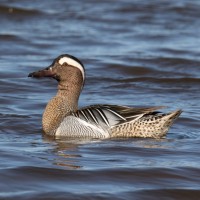
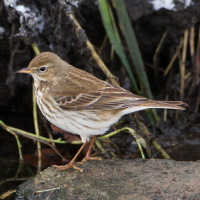
Since its creation in 2018, this site has attracted a wide variety of wetland and reedbed dwelling birds, and being so close to the NWT Hickling Reserve and the Norfolk coast, it has so much potential to turn up rarities. The site offers a top selection of birds to see throughout the year including żuraw, czapla biała, warzęcha, wąsatka and wierzbówka zwyczajna.
In winter, the site hosts flocks of gęś białoczelna which can be seen gathering on Heigham Holmes. The scrapes are home to siwerniak and in some years, high water levels mean diving ducks like czernica and głowienka may be found among the usual dabblers świstun, cyraneczka, Płaskonos and smaller numbers of rożeniec. The scrapes may host some wintering waders including rycyk and siewka złota.
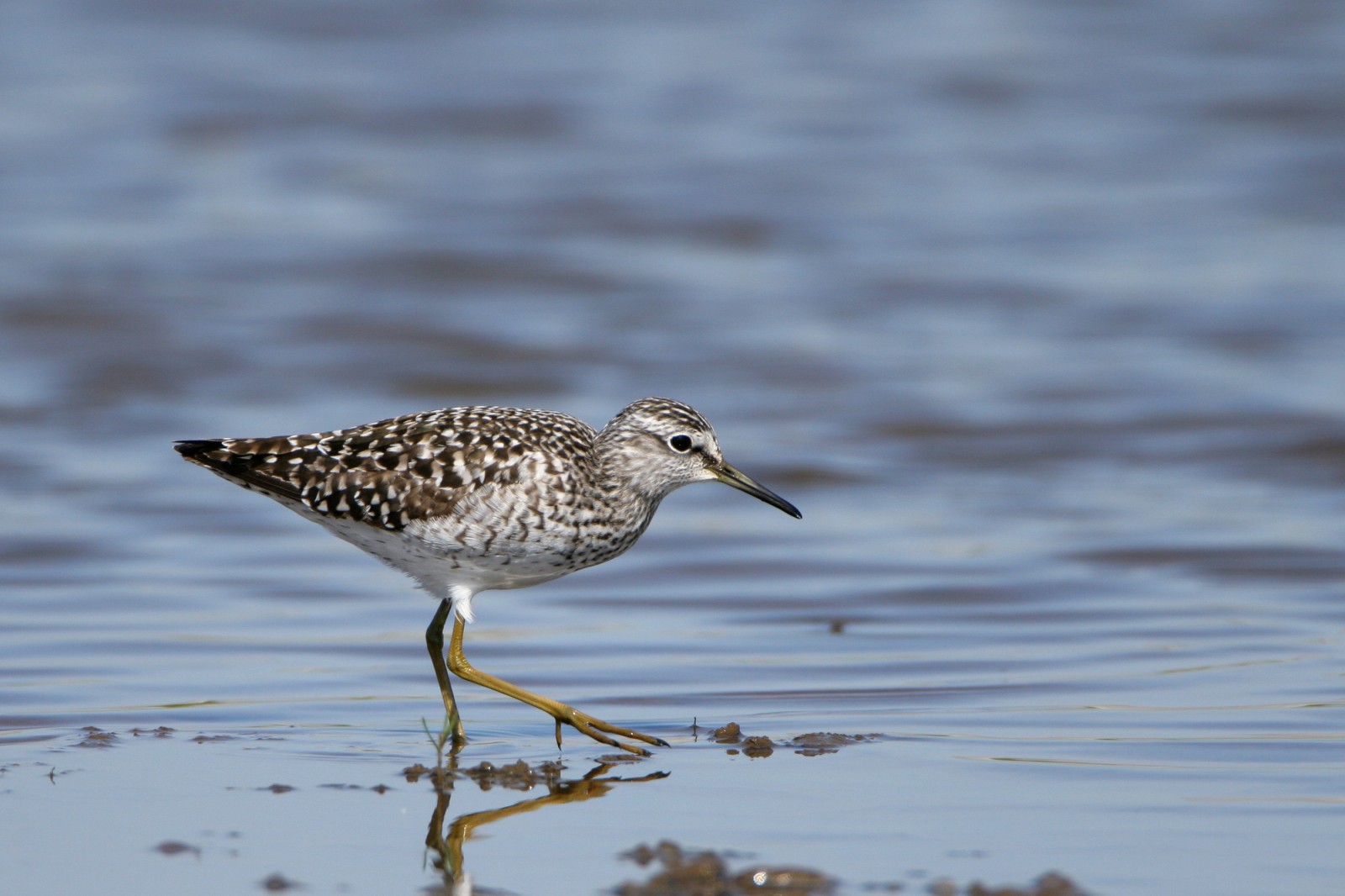
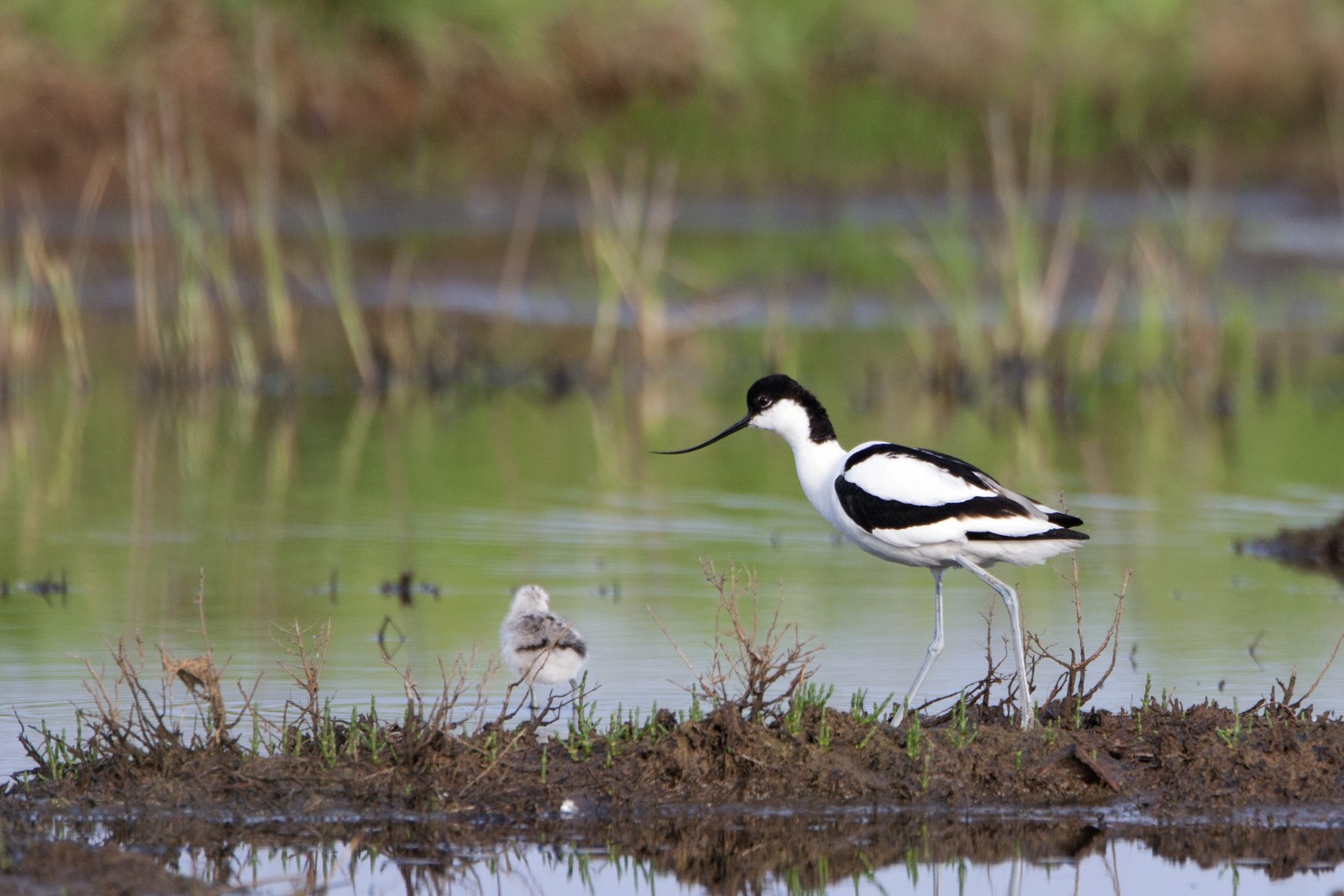
In spring and summer, cyranka may be seen here and szablodziób arrive back in large numbers to set up homes on the scrapes. The site comes into its own during spring and autumn wader passage, when a huge selections of wading birds may be found. Usual suspects include biegus zmienny, sieweczka obrożna, biegus malutki, biegus krzywodzioby, kamusznik, piaskowiec, biegus rdzawy, batalion, brodziec piskliwy, samotnik, łęczak, krwawodziób, kwokacz and brodziec śniady. There is always a chance of finding something rarer too, such as biegus arktyczny, biegus mały and szczudłak!
Continuing on the rare birds front, the site has been host to a rybitwa wielkodzioba several springs in a row, while kropiatka have also been found here when the water levels are low enough. The site also attracts rarer herons such as czapla złotawa and even ślepowron! There's plenty to be seen at Potter Heigham Marshes, making it a site well worth a visit while it is in its prime.
Szczegóły
Dostęp
Park at the Potter Heigham Village Hall or near the Church, and walk down Marsh Lane to access the site. It is quite a long walk (about 4 km), so be prepared for this though.
Teren i siedlisko
Tereny podmokłe , Łąka , TrzcinowiskaWarunki
Płaski , Otwarty krajobrazTrasa dookoła
NieCzy luneta będzie przydatna ?
Może być przydatnaUdany sezon obserwacyjny
Przez cały rokNajlepszy czas na wizytę
Wiosenne migracje , Jesienne migracjeTrasa
Wąski szlak , Droga nieutwardzonaPoziom trudności szlaku pieszego
Średnio wymagający spacerDostępne
PieszoCzatownia/platforma obserwacyjna
NieDodatkowe informacje
The site will eventually become reedbed, so its attractiveness to wading birds will dwindle over the next few years. It is worth a visit now while it is in its prime. The paths may be overgrown in some areas during the summer, so wear long trousers as ticks are in the area.
.jpg)
 ) aby wstawić nazwy ptaków w swoim języku ojczystym. Nazwy ptaków zostaną automatycznie przetłumaczone dla innych użytkowników!