Opis
The lagoons attract waterfowl but the mudflats are the main attraction, particularly on a rising tide, when waders are driven landwards and geese commute to feed inland.
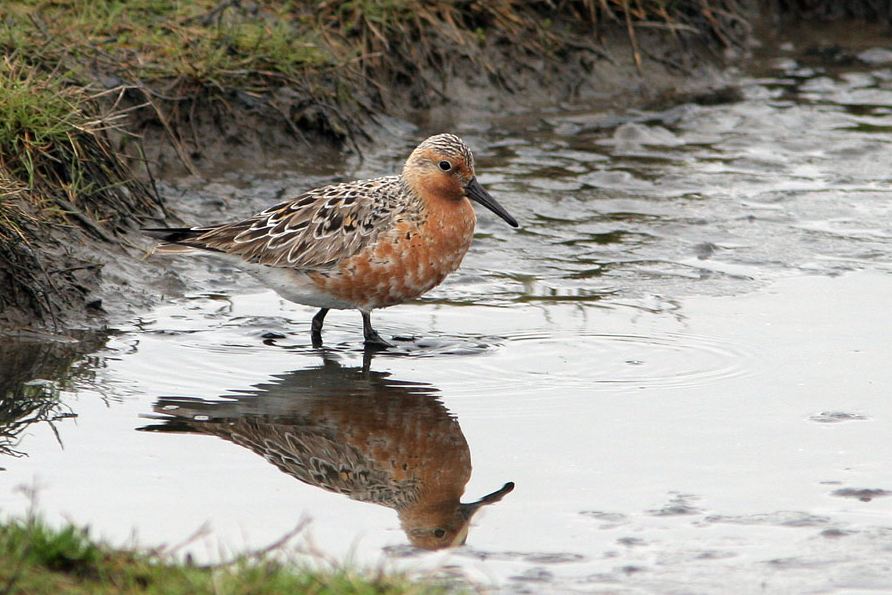
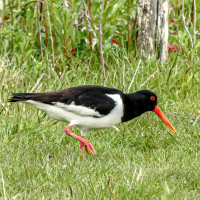
In spring, śmieszka and szablodziób take up residence on the islands. Wading birds in their colourful breeding plumage pass through on their way to the Arctic. płomykówka (zwyczajna) can been seen at dawn and dusk hunting over the saltmarsh.
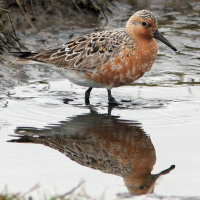
In summer on the islands, rybitwa rzeczna are at the height of their breeding activity. Later in the summer, flocks of biegus rdzawy wheel in vast numbers at sunset.
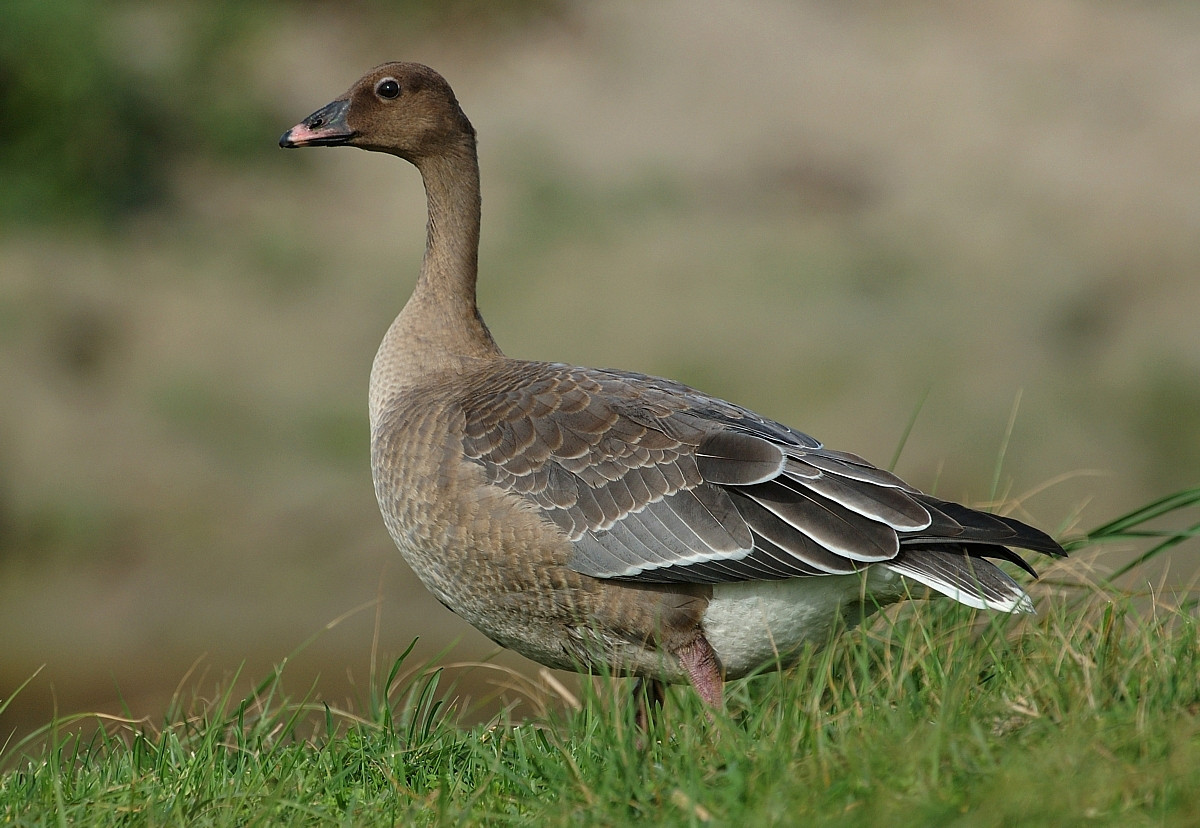
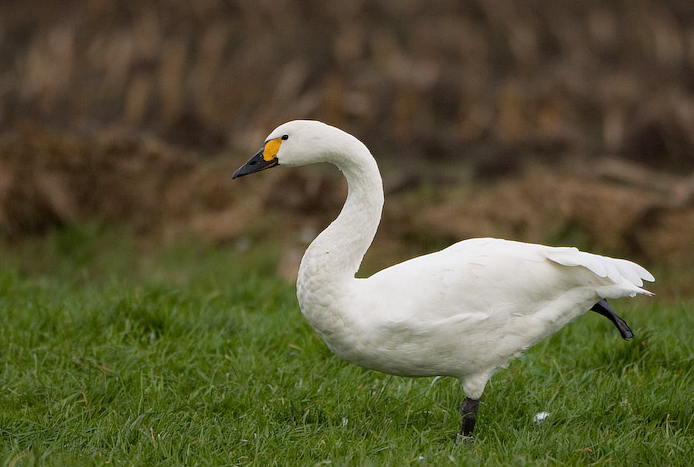
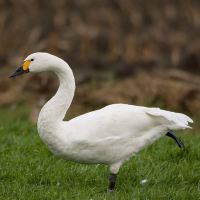
Autumn sees thousands of thrushes and finches migrate overhead. świstun and bernikla obrożna start to arrive back from breeding grounds, calling noisily to each other.
In winter, huge numbers of waterfowl gather on the lagoons and out in The Wash, while sokół wędrowny and błotniak zbożowy actively hunt on the saltmarsh. gągoł also gather on the lagoons and begin displaying in preparation for the coming spring.
Szczegóły
Dostęp
From the carpark, access is by foot along muddy footpaths to the coast, where the paths are drier. Snettisham has three wildlife observation hides (two are all-weather and wheelchair friendly), all offering views across the lagoons and one has dual aspect views across lagoons and The Wash.
Teren i siedlisko
Tereny podmokłe , Rzadkie drzewa i krzewy , Morze , BłotaWarunki
Płaski , Możliwy wysoki poziom wody , Otwarty krajobrazTrasa dookoła
TakCzy luneta będzie przydatna ?
TakUdany sezon obserwacyjny
Przez cały rokNajlepszy czas na wizytę
Zima , Wiosenne migracje , Jesienne migracjeTrasa
Szeroka ścieżka , Wąski szlakPoziom trudności szlaku pieszego
Średnio wymagający spacerDostępne
PieszoCzatownia/platforma obserwacyjna
TakDodatkowe informacje
It's worth checking the RSPB website (see the link below) for guided walks, particularly when winter high tides occur around dawn. At this time, large numbers of geese fly inland overhead.
 ) aby wstawić nazwy ptaków w swoim języku ojczystym. Nazwy ptaków zostaną automatycznie przetłumaczone dla innych użytkowników!