Opis
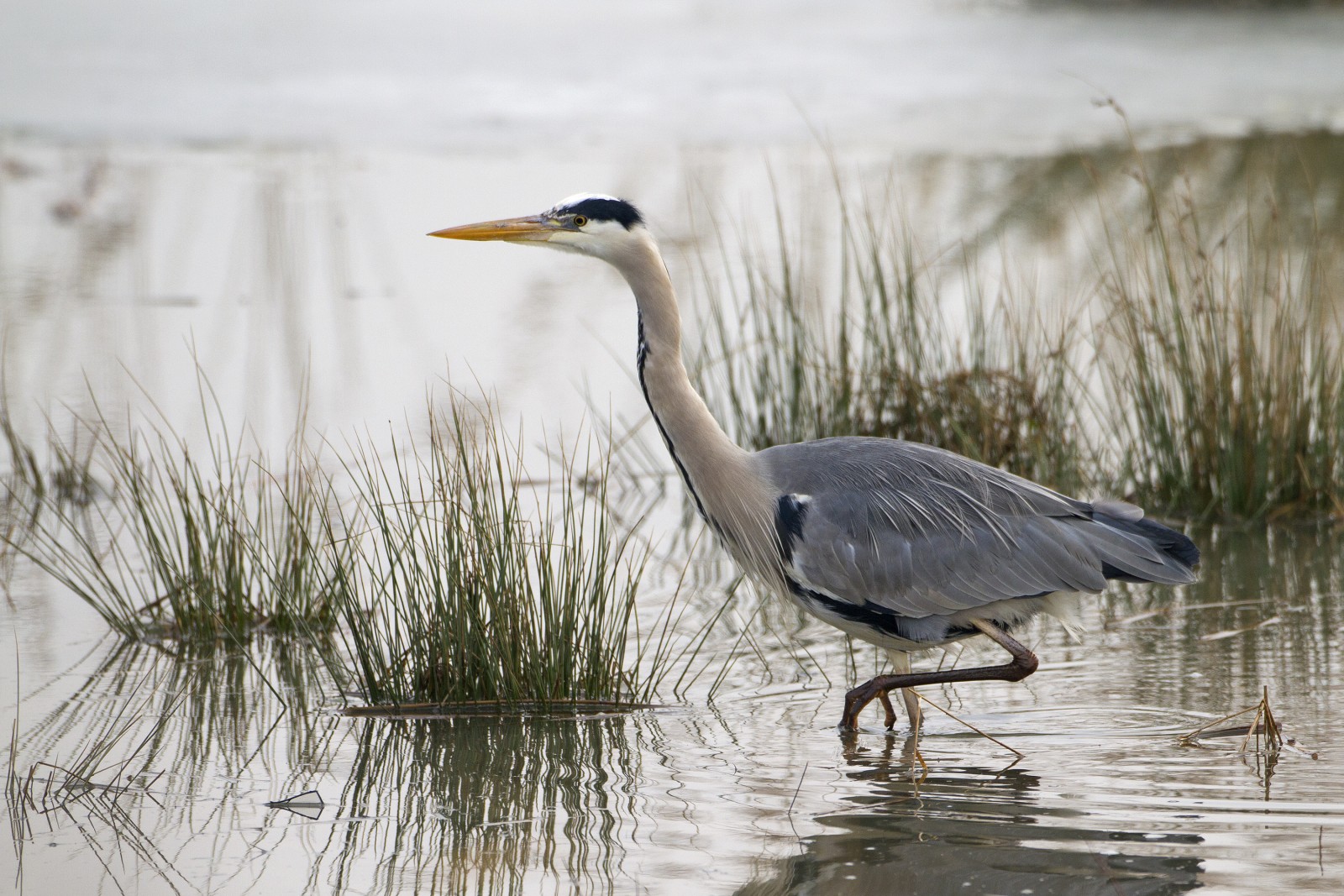
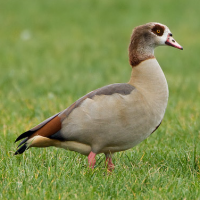
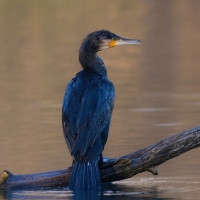
St James's Park is a 23 hectare park in central London. The park is bounded by Buckingham Palace to the west, the Mall to the north, Horse Guards to the east, and Birdcage Walk to the south. The park has a small lake with two islands, West Island and Duck Island, the latter named from the lake's collection of captive waterfowl. The majestic fountain protects Duck Island, which czapla siwa and kormoran use as refuge. Among the wild birds you can see are gęgawa, łabędź niemy, gęsiówka egipska, Płaskonos, krakwa, czernica, perkozek, perkoz dwuczuby, grzywacz, gołąb miejski, kokoszka (zwyczajna), łyska, kszyk, brodziec piskliwy, śmieszka, kormoran, czapla siwa, krogulec, zimorodek, pustułka (zwyczajna), sokół wędrowny, aleksandretta obrożna, sójka, sroka, modraszka, kapturka, kowalik, paszkot, śpiewak, rudzik, pliszka górska and Pliszka brytyjska.
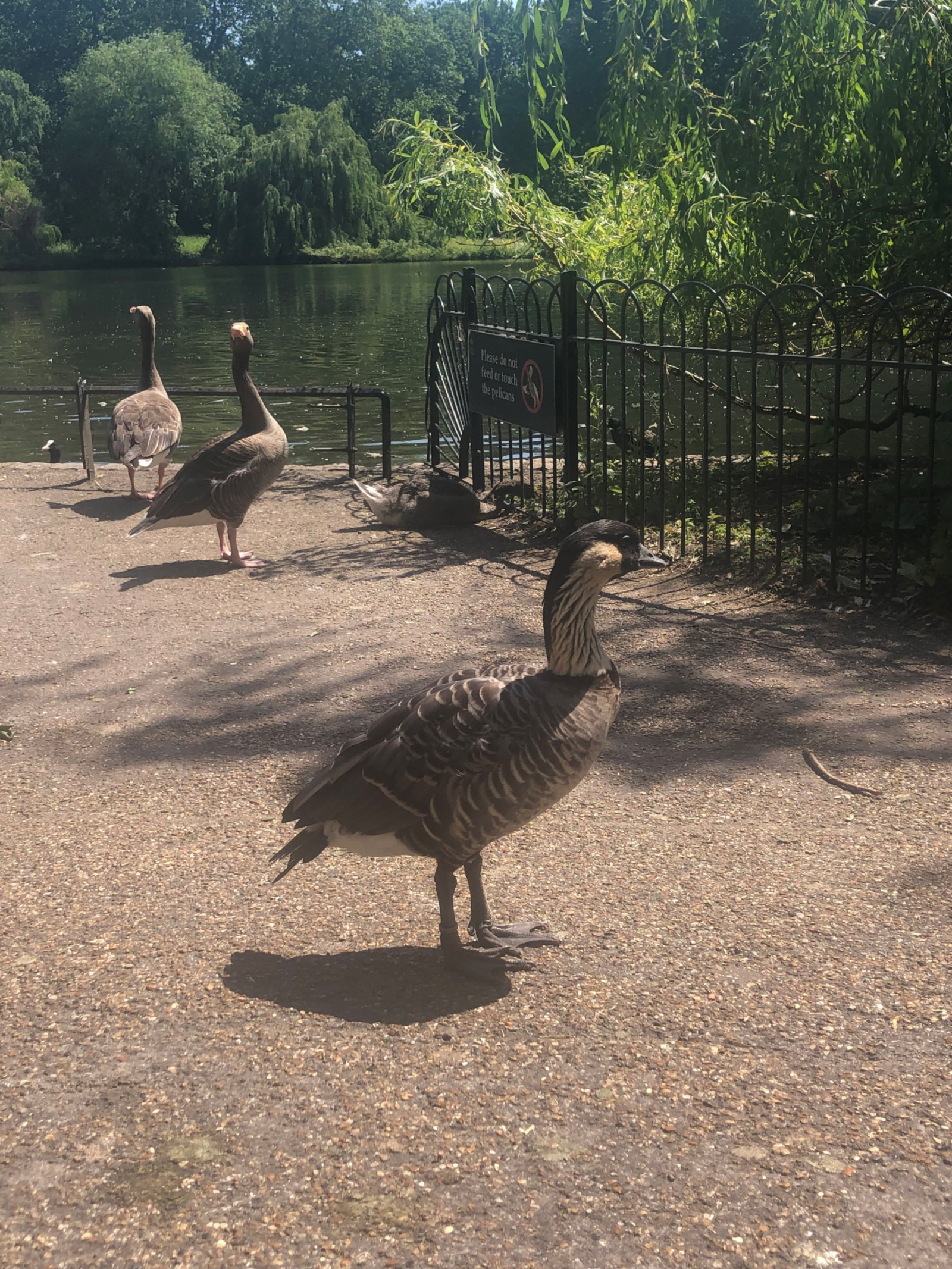
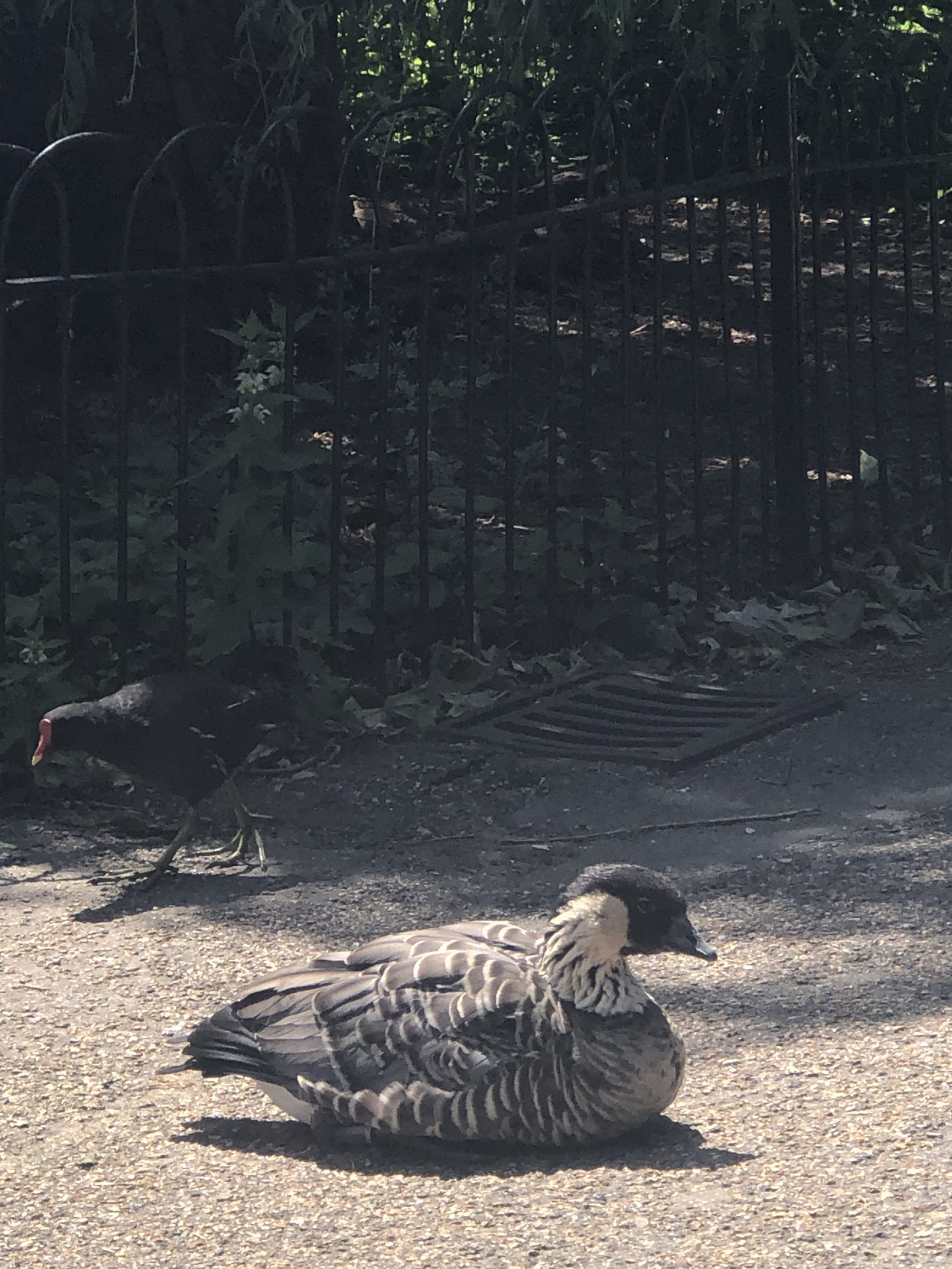
A resident colony of captive pelikan różowy has been a feature of the park since a Russian ambassador donated them to Charles II in 1664. Other captive birds, mostly distinguishable from wild birds by being pinioned (half of one wing amputated), include Hawaiian Goose, gęś tybetańska, śnieżyca duża, sniezyca mala, bernikla białolica, bernikla rdzawoszyja, kazarka rdzawa, ohar, karolinka, świstun (occasional wild birds can occur), Płaskonos (occasional wild birds can occur), cyraneczka (occasional wild birds can occur, distinguishable by being full-winged), rożeniec (occasional wild birds can occur), hełmiatka (occasional feral or wild birds can occur), edredon, and bielaczek. These captive birds are not included in the bird list below.
Szczegóły
Dostęp
The London transport underground train (Green Park or St James Park) and bus. It is hard to find parking round there. You can cycle and walk around the park and view the lake perfectly. There are cafes to buy luxurious pastries.
 ) aby wstawić nazwy ptaków w swoim języku ojczystym. Nazwy ptaków zostaną automatycznie przetłumaczone dla innych użytkowników!