Opis
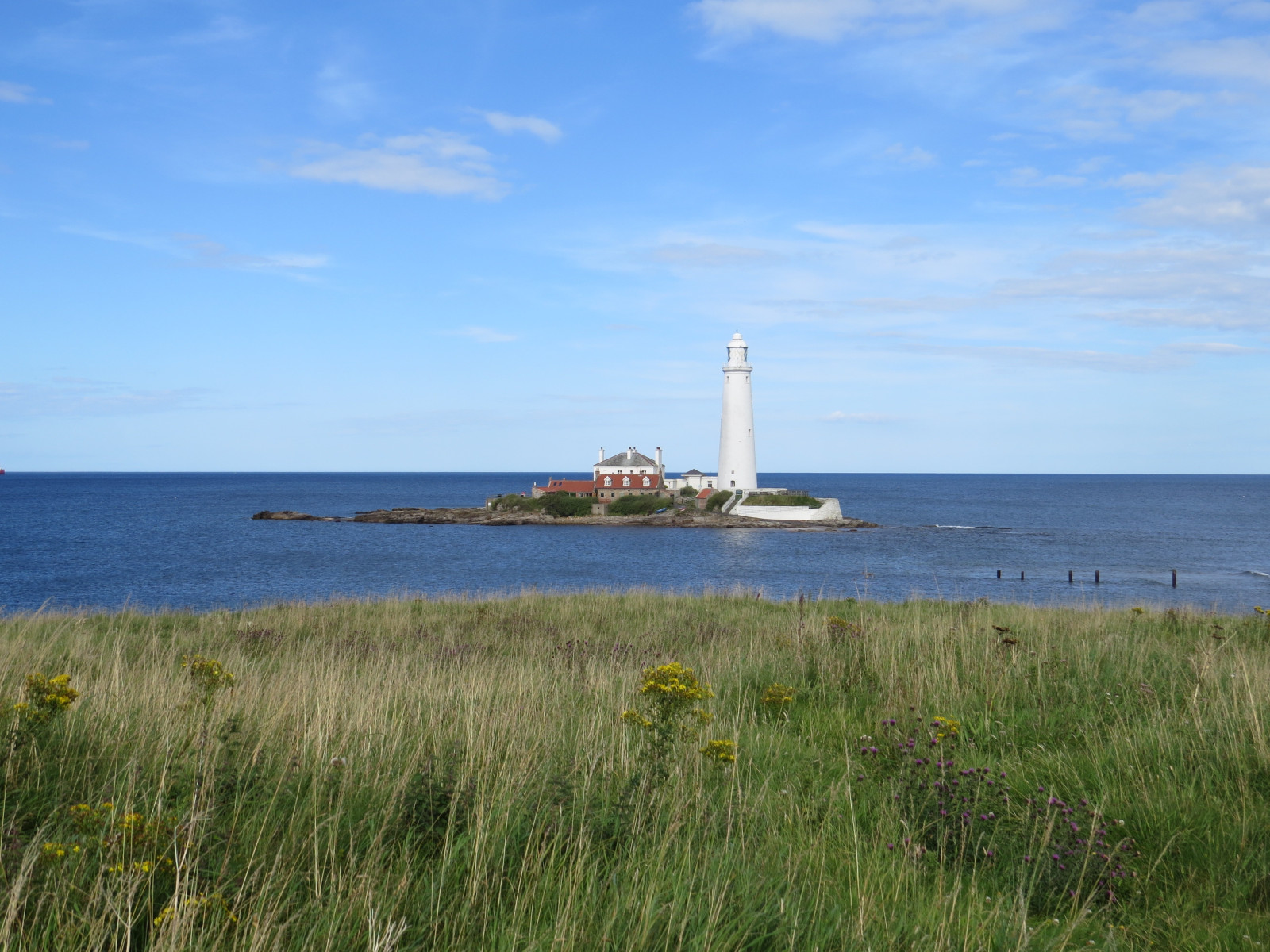
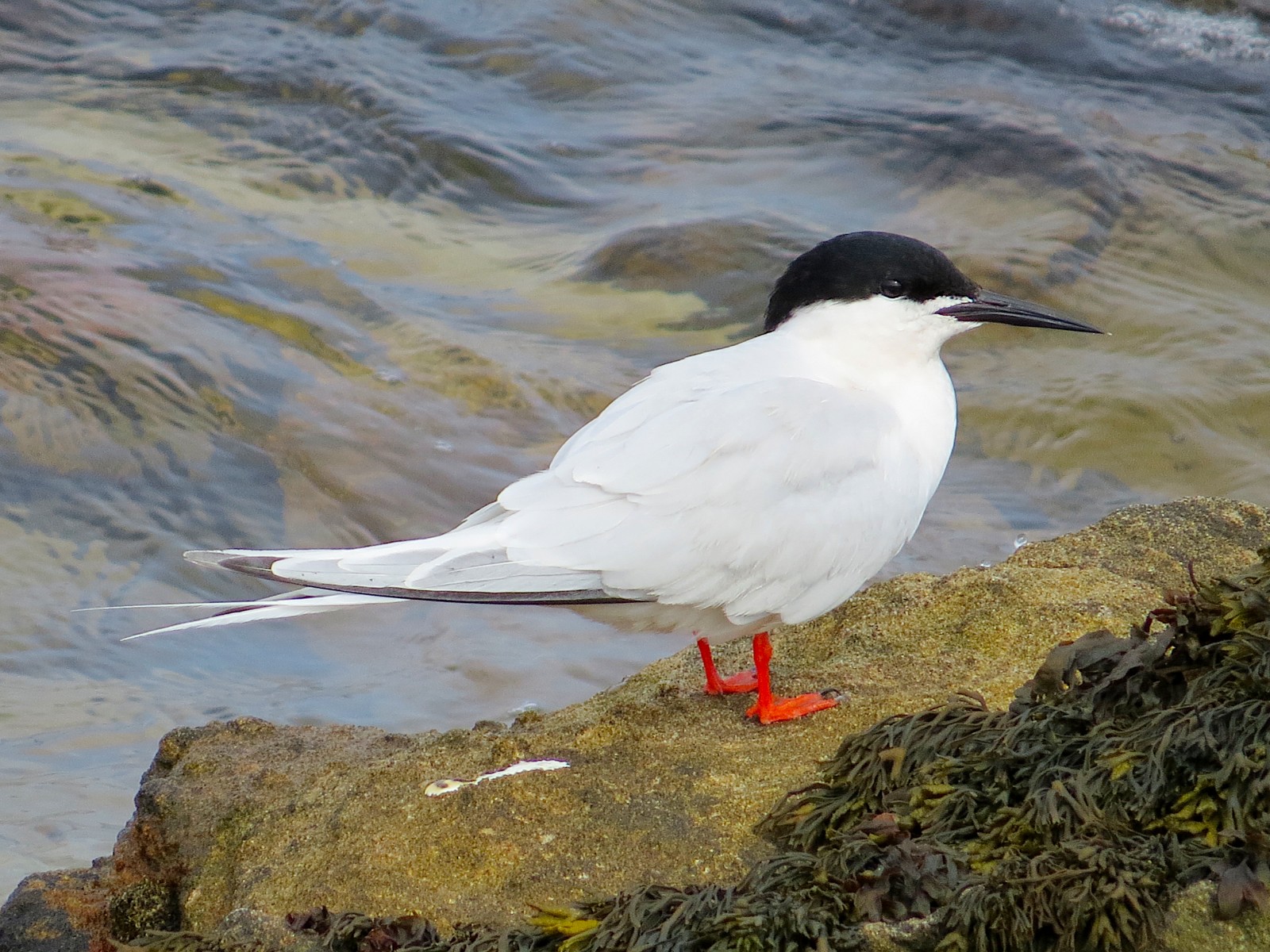
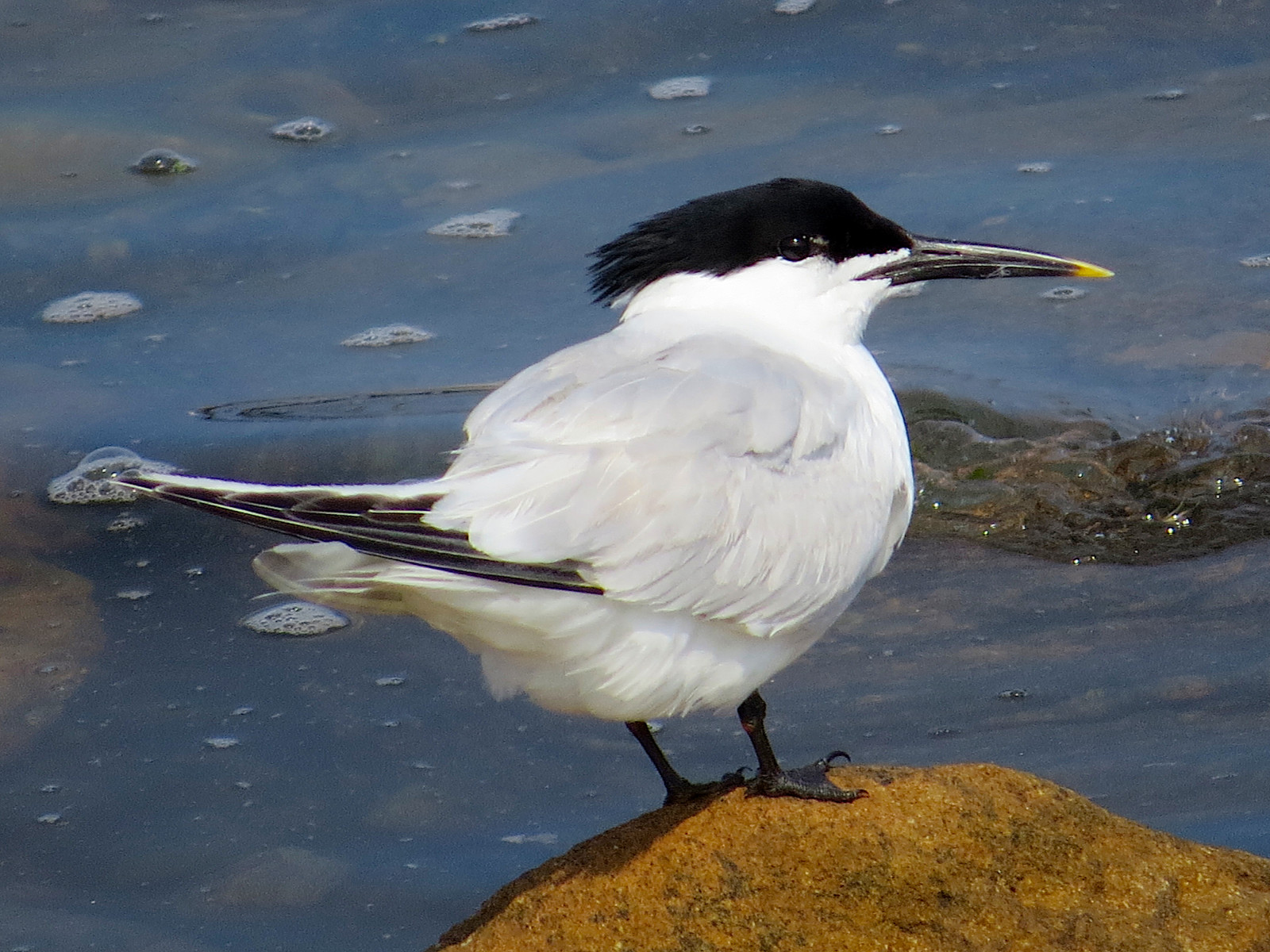
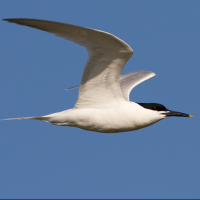
This site is excellent for seabirds, waders and passage migrants, and also a good lookout point for sea mammals. One of the most accessible places in Europe to see rybitwa różowa close up as they gather here with other terns in July to September after breeding on nearby Coquet Island. A sea-watching hide on the island gives the chance to see a range of seabirds including regular burzyk szary, burzyk pólnocny, wydrzyk wielki, maskonur, and many others including more rarely, petrel wyspowy superspecies, burzyk żółtodzioby, burzyk wielki, nawalnik duzy, and wydrzyk tęposterny and wydrzyk długosterny. The tidal areas attract good numbers of waders, with siewka złota the most numerous. In autumn, the coastal shrubs are as reliable as anywhere for świstunka żółtawa, świstunka złotawa, jarzębatka, and other Siberian vagrants; rarer species have included zaroślówka and modraczek (zwyczajny). The nearby cemetery is also good for autumn passerines, including one of Britain's very few swistunka zlotorzytnas.
Look out for colour-ringed birds! One rybitwa czubata had been over 10,000 km to Gansbaai in South Africa!
The tidal island is a regular haul-out for Grey Seals, and offshore, Common Porpoises, White-beaked and Bottlenose Dolphins are regular, while Minke and Humpback Whales have been recorded.
Szczegóły
Dostęp
Busses 308 and 310 from Newcastle to Blyth both pass within a few minutes walk of the site; also good cycle access. The main access to the island is suitable for all weathers, but some of the paths to other parts of the site can get muddy after heavy rain.
The island, closed for much of summer 2024, has recently reopened after the completion of essential maintenance work.
Teren i siedlisko
Tereny podmokłe , Plaża , Błota , Rolnictwo/uprawy , Rzadkie drzewa i krzewy , Łąka , MorzeWarunki
Płaski , Brak cienia , Otwarty krajobrazTrasa dookoła
TakCzy luneta będzie przydatna ?
Może być przydatnaUdany sezon obserwacyjny
Przez cały rokNajlepszy czas na wizytę
Zima , Lato , Jesień , Jesienne migracje , Wiosna , Wiosenne migracjeTrasa
Droga utwardzona , Szeroka ścieżka , Droga nieutwardzona , Wąski szlakPoziom trudności szlaku pieszego
ŁatwyDostępne
Pieszo , RowerCzatownia/platforma obserwacyjna
TakDodatkowe informacje
The island is accessible from about 2 hours to 2 hours 30 minutes after high tide, until 2 hours before the next high tide. Take care not to get stuck over the tide, unless you intend to spend 4-5 hours seawatching! The visitor centre on the island has restricted opening hours, and is closed over the high tide; there are no facilities over high tide. See the link below for the actual tides table.
For terns and waders, a rising tide is best; watch from the promenade between 3 and 2 hours before high tide.
 ) aby wstawić nazwy ptaków w swoim języku ojczystym. Nazwy ptaków zostaną automatycznie przetłumaczone dla innych użytkowników!