Opis
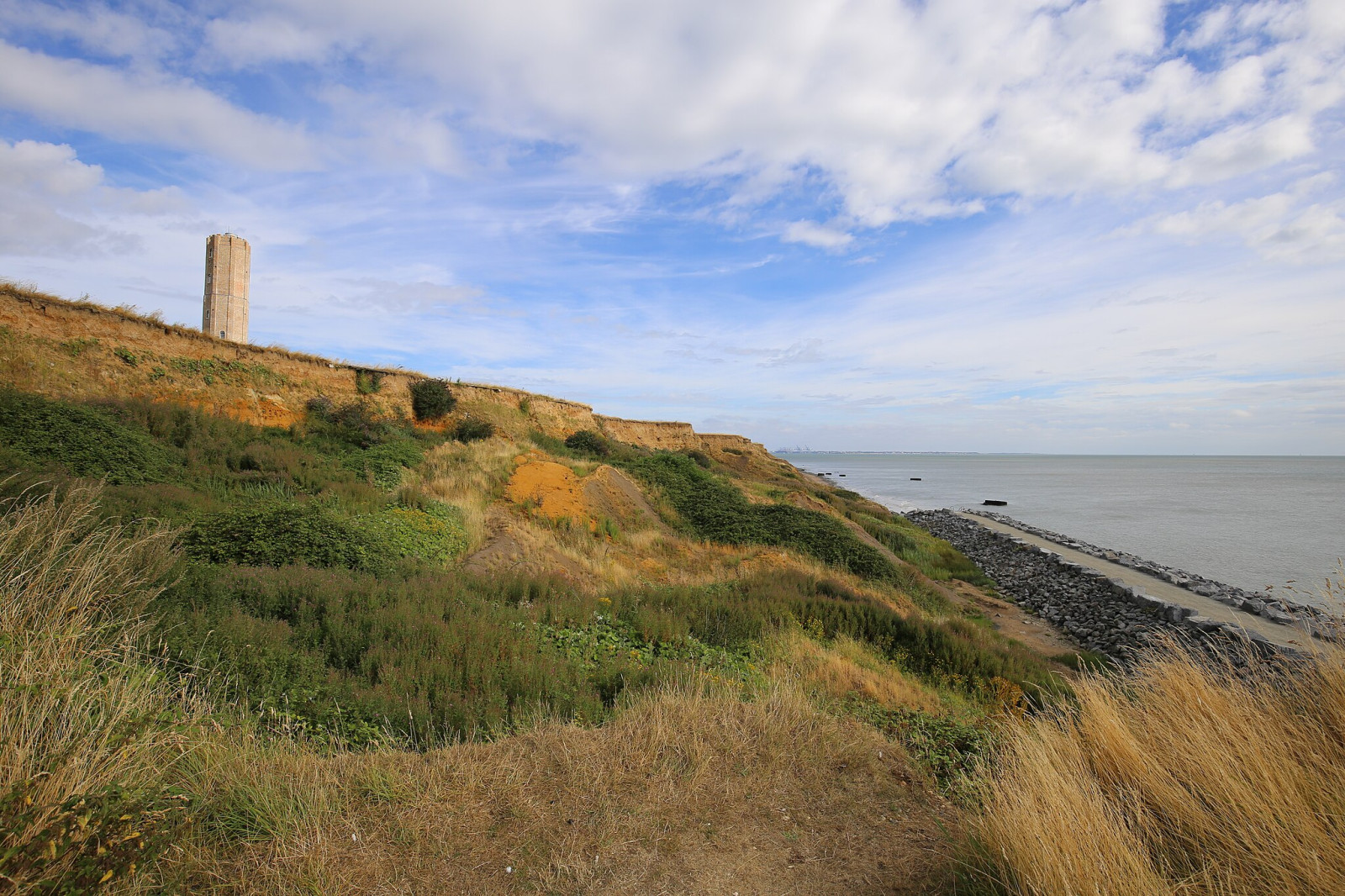
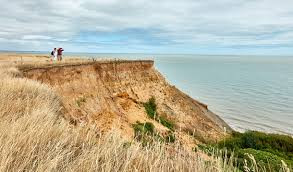
Once you arrive in the car park, head North along the edge of the cliff. This gives a good elevated view of the sea and mud shoreline. Where you can see kulik wielki, piaskowiec, kamusznik, krwawodziób, siewnica, biegus zmienny and bernikla obrożna. Depending on tide line and time of year. Winter to early Spring is best for bernikla obrożna. Looking out to sea early morning is always good for passing sea ducks and ocean species such as głuptak, markaczka, kormoran, nur rdzawoszyi, szlachar even the odd uhla. If really lucky edredon have been recorded from the Naze.
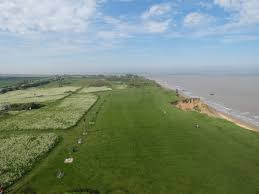
Now while sea watching from the cliff you are surrounded by a large grassland field of mixed heights of cut. This area can be good for seeing skowronek, świergotek łąkowy, Pliszka brytyjska and makolągwa. Still walking North you now enter the scrubby area. Here in the Spring and Autumn is always worth a second look and a sharp ear open for something special. zniczek, świstunka żółtawa and even świstunka złotawa. Keep searching because pleszka, muchołówka mała and muchołówka żałobna are all on the cards here at The Naze. The Naze can boast of some really rare passage migrants and this hand full of scrubland acers can be a real hot spot.
Once you have done the scrub area now carry on up on to the sea wall foot path where looking towards the sea there is sandy beach and a mud flat mix at low tide. Here lots of diffrent feeding waders can be seen. sieweczka obrożna and both szlamnik and rycyk. Possible śnieguła and świergotek nadmorski are often seen along the sand and shingle beach. Walking futher alone the sea wall. Now facing inland, is the small 'John Weston' nature reserve. Take the track South off the sea wall through the gate into the Reserve. Most of the reserve can be viewed from the sea wall, but the bushes around the green storage container worrent closer inspection.
Once back on the Sea wall about 100m North West so you have salt marsh to the North East and grazing meadows and reedbeds to the south West. This is a great spot for seeing drzemlik and uszatka błotna, in fact many raptors species such as błotniak stawowy and wintering błotniak zbożowy, plus hunting sokół wędrowny are all regularly seen here in this open ground. wąsatka, wierzbówka zwyczajna and potrzos in the reed beds and pools, plus świstun, krakwa, czernica and cyraneczka. On the meadows czajka, siewka złota, ohar, czapla nadobna, czapla biała. This site has great potential for migrating species and a highly prized are for rarities turning up here.
Szczegóły
Dostęp
The Naze is located north of the towns of Frinton and Walton-on-the-Naze. By Train to Frinton Station then on the bus to the Naze. By Car, Starting from Walton-on-the Naze town High Street take the B1039 follow this with the Beach on your Right. Now take the left fork Hall Lane, follow this around to the right on toNaze Park road, then on to Old Hall Lane for a short few 100 meters. The entrance to the Car Park is now on your Right. You can pay for parking via the App. Press P on the map for directions.
Teren i siedlisko
Tereny podmokłe , Rzadkie drzewa i krzewy , Łąka , Staw , Plaża , Błota , Trzcinowiska , Morze , Kanion/klifWarunki
Pagórkowaty , Ślisko , Otwarty krajobrazTrasa dookoła
TakCzy luneta będzie przydatna ?
TakUdany sezon obserwacyjny
Jesień , Zima , WiosnaNajlepszy czas na wizytę
Wiosenne migracje , Jesienne migracjeTrasa
Droga nieutwardzonaPoziom trudności szlaku pieszego
Średnio wymagający spacerDostępne
PieszoCzatownia/platforma obserwacyjna
NieDodatkowe informacje
You can get food and drink from the Discovery Centre and the toilets are also here.
 ) aby wstawić nazwy ptaków w swoim języku ojczystym. Nazwy ptaków zostaną automatycznie przetłumaczone dla innych użytkowników!