Opis
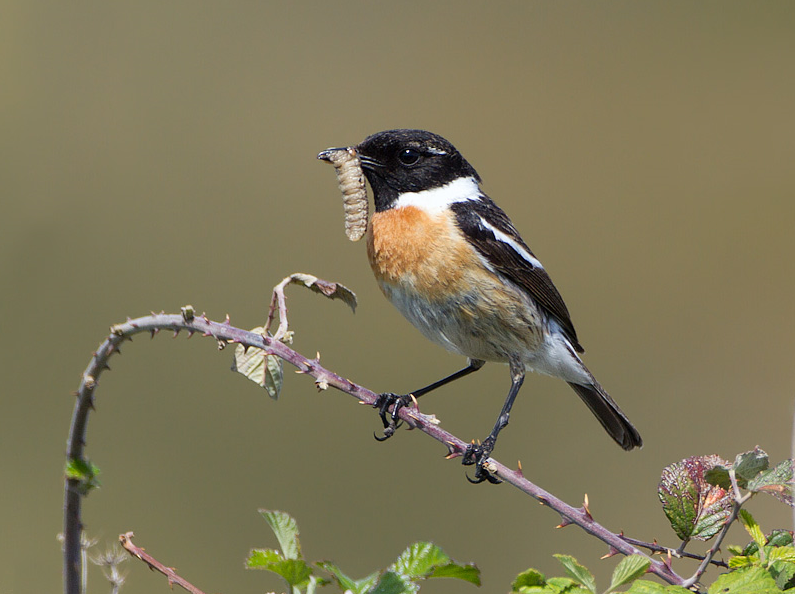
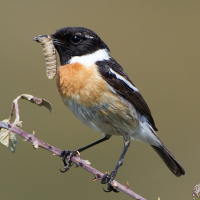
Winterton Dunes is an extensive coastal acidic heathland featuring a variety of scrubs and trees spread throughout. For birders, the site is a fantastic place to find rare and scarce migrant birds, as well as enjoy some of the spectacular wildlife of the east Norfolk coast. It can be hard work at times, but persistance pays off at this site. Throughout the year, you could find kląskawka and trznadel in the dunes, alongside the usual common garden birds. Raptors frequent the fields inland of the dunes system including błotniak stawowy and pustułka (zwyczajna).
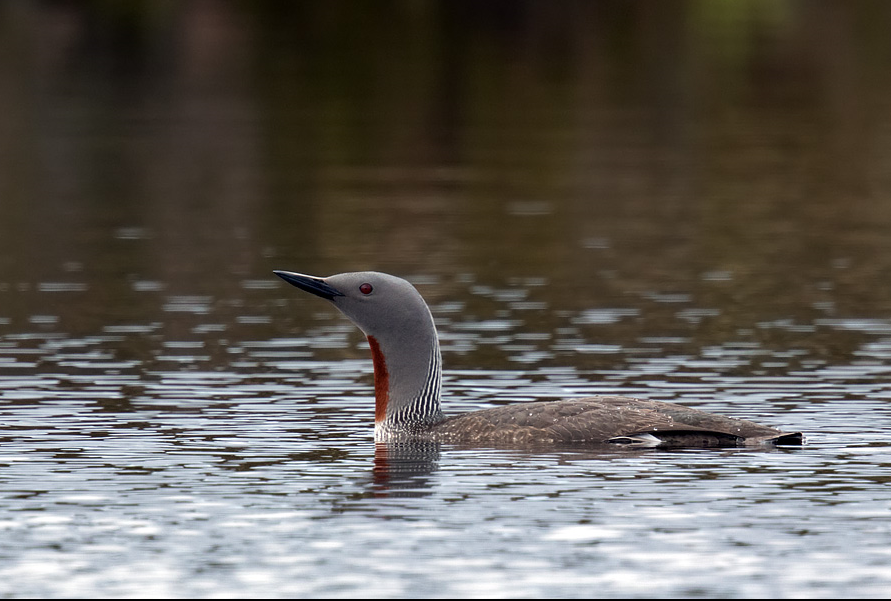
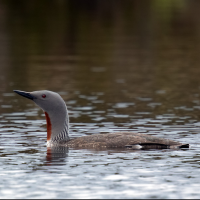
In the winter, a sea-watch may reveal large numbers of nur rdzawoszyi as well as markaczka and flocks of passing bernikla obrożna. You may be lucky and encounter a uszatka błotna or błotniak zbożowy hunting the dunes. The large Grey Seal colony here attracts gulls, and alongside the expected mewa srebrzysta and mewa siodłata groups, you may be lucky and find a mewa białogłowa or even mewa polarna or mewa blada! Expect to see waders like kamusznik and piaskowiec on the beach. The rocky groynes may hold biegus morski also. Look out for śnieguła on the beach too!
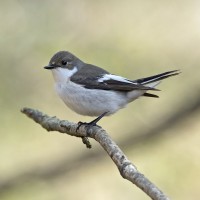
Spring passage can be hit a miss in east Norfolk, but you would normally expect to see a kopciuszek and a few białorzytka to get the season going (from March onwards). Following this will be kapturka, pierwiosnek, piecuszek, piecuszek and more. In April onwards, there may be drozd obrożny, muchołówka żałobna and pleszka to be found. Following a good spell of easterly winds, you may be on for something rarer. Typcial spring scarcities (typcially May and June) might include gąsiorek, łozówka, podróżniczek, zaganiacz, pasterz and even żołna!
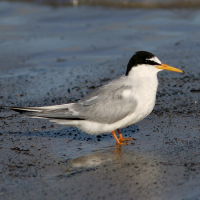
Summer still offers migration opportunites, as the waders continue to move throughout July and August. There is a colony of rybitwa białoczelna on the beach some years, but view them from a respectable distance. It is not impossible to find a rybitwa czarna or even a rybitwa różowa in the colony if you scan the colony carefully.
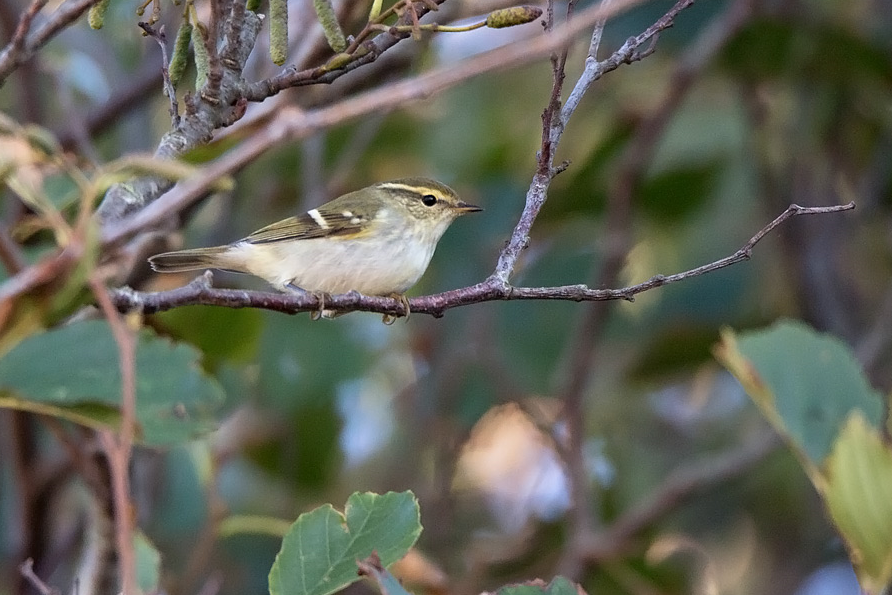
Autumn passage can be excellent here, and in the early part of the season (August to September), you might be lucky and find the likes of krętogłów, zaganiacz or wójcik. A good passage of muchołówka żałobna is expected, along with smaller numbers of pleszka. As the autumn progresses (September to November), the opportunities to find świstunka żółtawa, świstunka złotawa, jarzębatka, muchołówka mała and other seasonal delights increases, especially after easterly winds. Common migrants will also be flooding back in like droździk, mysikrólik, zięba and słonka.
Sea-watching here is best in northerly or easterly winds, and these can bring głuptak, mewa trójpalczasta and markaczka closer in shore. An experienced sea-watcher may be able to find divers, grebes, auks and up to four species of Skua! Stormy conditions in late autumn can bring płatkonóg płaskodzioby, nawalnik duzy and large numbers of mewa mała. You never know what you might see, so always worth bringing a scope.
Szczegóły
Dostęp
Park in the beach car park at Winterton Village, and you can easily explore the dunes from here.
Teren i siedlisko
Morze , Wydmy , Rzadkie drzewa i krzewy , WrzosowiskoWarunki
Płaski , Suchy , Otwarty krajobraz , PylistyTrasa dookoła
TakCzy luneta będzie przydatna ?
Może być przydatnaUdany sezon obserwacyjny
Przez cały rokNajlepszy czas na wizytę
Wiosenne migracje , Jesienne migracjeTrasa
Szeroka ścieżkaPoziom trudności szlaku pieszego
Średnio wymagający spacerDostępne
PieszoCzatownia/platforma obserwacyjna
NieDodatkowe informacje
This site is a popular dog walking area, and also experiences high numbers of beach-goers in the summer. You can get away from the crowds by heading further away from the village itself.
 ) aby wstawić nazwy ptaków w swoim języku ojczystym. Nazwy ptaków zostaną automatycznie przetłumaczone dla innych użytkowników!