Opis
This world class wildlife refuge offers viewing of one of the great wildlife spectacles, with thousands of geese and ducks blanketing large areas of wetland. The assembled waterfowl will periodically burst into the air at the passing of a raptor, darkening the sky and filling the air with their cries.
The refuge provides close views of numerous Anatidae and allows comparison of closely-related goose and duck species. Winter is the best season when many thousands of ducks and geese rest and feed in the seasonal ponds managed by US Fish & Wildlife Service. The refuge features an accessible viewing platform and a 3 mile driving tour (with two-way entrance drive and a one-way section that makes a loop back to the entrance drive). A one mile there-and-back walking trail from the refuge parking area is also available, with its own viewing platform.
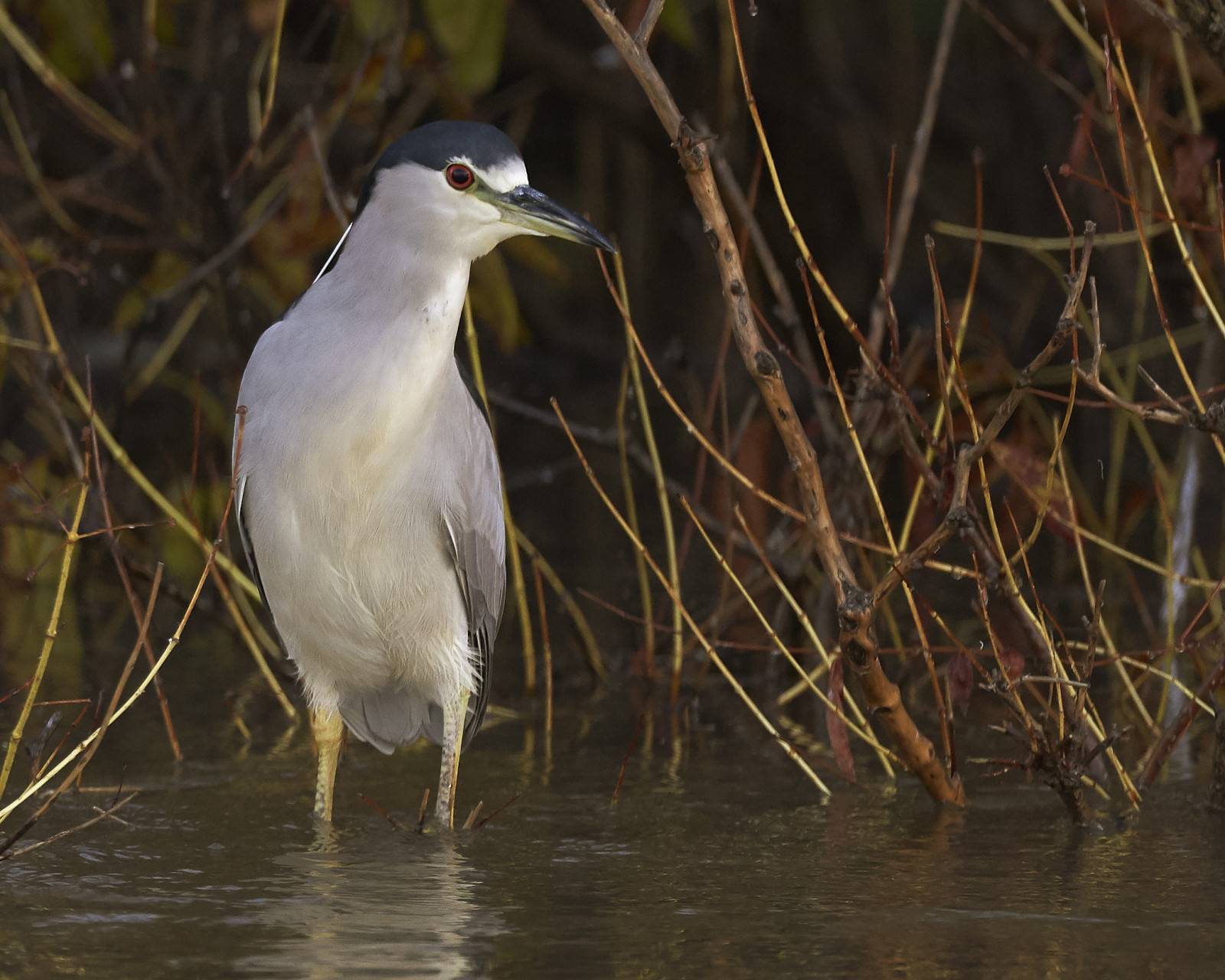
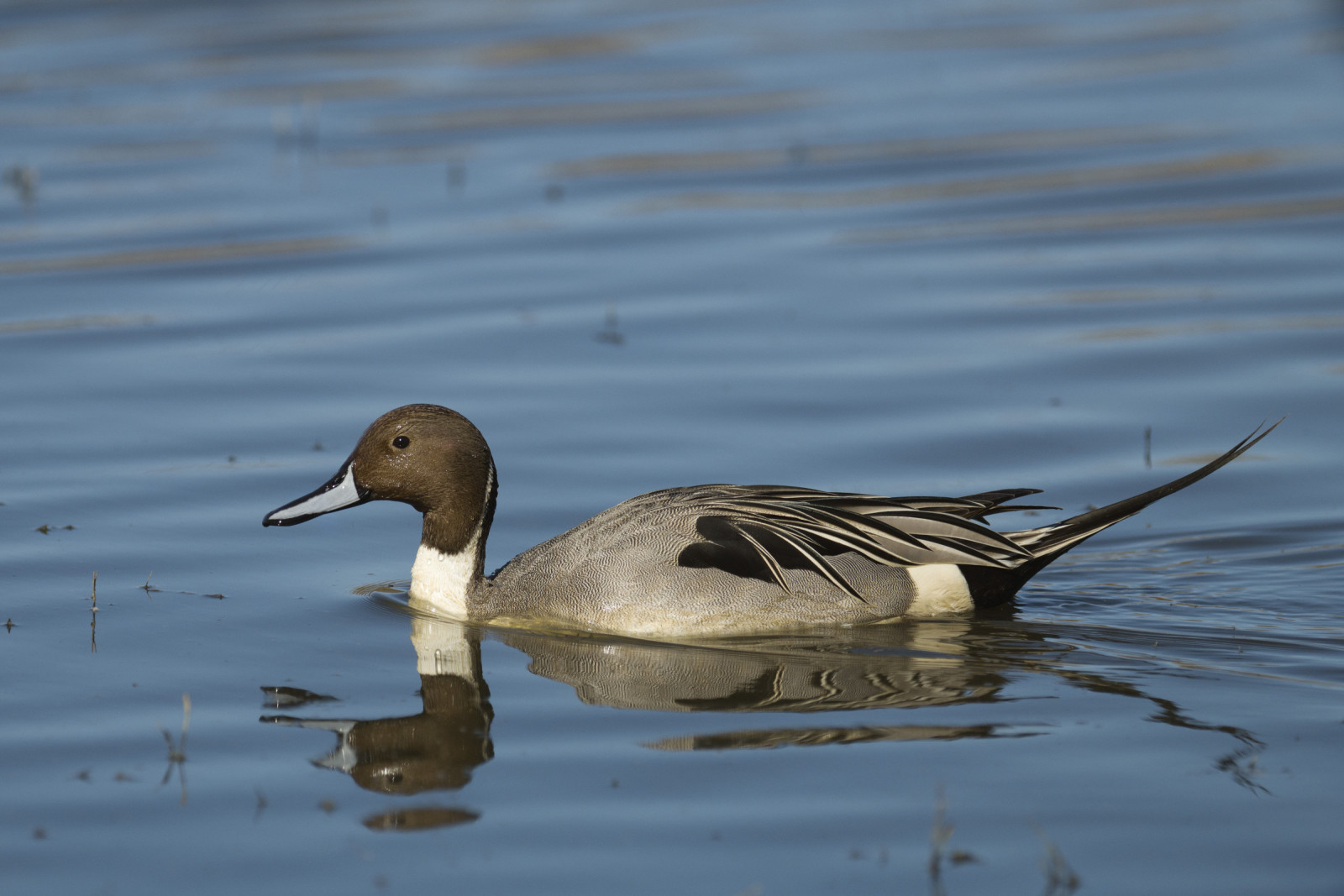
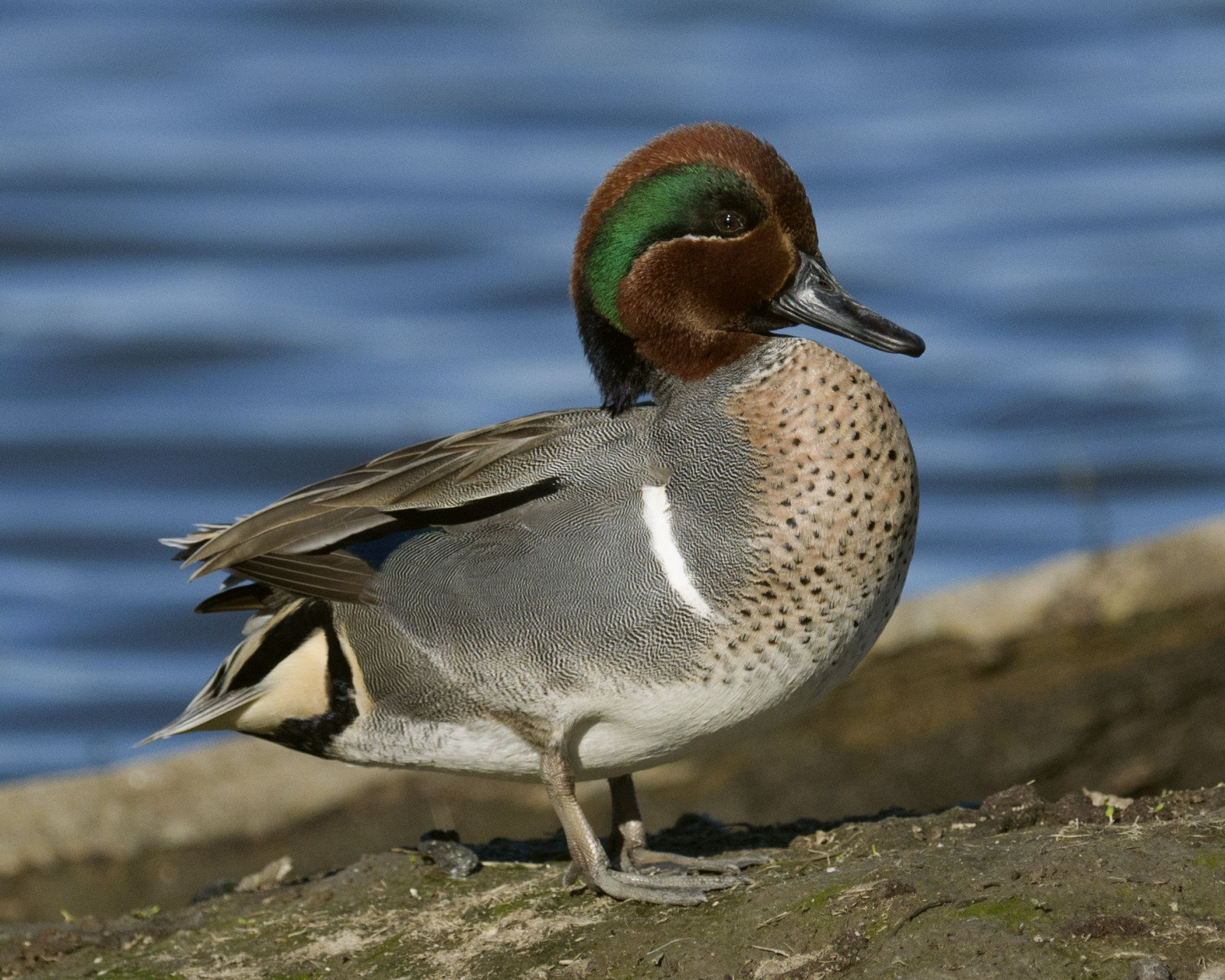
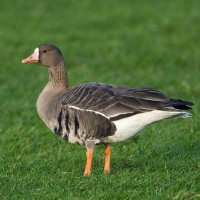
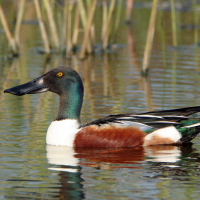
Species that can be seen here include waterfowl such as: Snow Goose, Ross's Goose, Greater White-fronted Goose, Northern Shoveler, Gadwall, American Wigeon, Northern Pintail, Green-winged Teal, Ring-necked Duck, Bufflehead, Ruddy Duck, waders and marsh species like: Virginia Rail, Sora, American Coot, Black-necked Stilt, American Avocet, Killdeer, Great Egret, Snowy Egret, Black-crowned Night Heron, Great Blue Heron, and White-faced Ibis, while soaring birds, owls and raptors hunting or roosting in the wooded margins include: Turkey Vulture, Cooper's Hawk, Bald Eagle, Red-tailed Hawk and Great Horned Owl. The reedbeds and fields are often noisy with the sound of Marsh Wrens and Common Yellowthroats, while American Pipits and Savannah Sparrows forage in fields and grassy margins of roads and dikes.
Some of the less common to rare birds that have been found here include: Barrow's Goldeneye, Greater Roadrunner, Yellow-billed Cuckoo, Calliope Hummingbird, Solitary Sandpiper, Pectoral Sandpiper, Short-billed Dowitcher, Bonaparte's Gull, Iceland Gull, Black Tern, Least Bittern, Lesser Nighthawk, Ferruginous Hawk, Rough-legged Hawk, Short-eared Owl, Prairie Falcon, Lewis's Woodpecker, Hammond's Flycatcher, Mountain Bluebird, Phainopepla and Harris's Sparrow.
Szczegóły
Dostęp
Colusa National Wildlife Refuge is located in Colusa County, about 70 miles (110 km) north of Sacramento. The refuge sits just one mile southwest of the town of Colusa. From Interstate 5 take California highway 20 east toward Colusa, turn right on access road. No public transportation. Best with private car. Parking near viewing platform. Press P on the map for directions.
Teren i siedlisko
Tereny podmokłe , Rzadkie drzewa i krzewy , Staw , TrzcinowiskaWarunki
Płaski , Bagienny , Otwarty krajobrazTrasa dookoła
TakCzy luneta będzie przydatna ?
Może być przydatnaUdany sezon obserwacyjny
Przez cały rokNajlepszy czas na wizytę
ZimaTrasa
Droga nieutwardzonaPoziom trudności szlaku pieszego
ŁatwyDostępne
Samochód , PieszoCzatownia/platforma obserwacyjna
TakDodatkowe informacje
According to the refuge brochure, a photography blind is available, but only by prior reservation.
Linki
- Colusa NWR Ebird hotspot
- Ebird bar chart of species found at the refuge by month
- Refuge brochure with map and visitor info
 ) aby wstawić nazwy ptaków w swoim języku ojczystym. Nazwy ptaków zostaną automatycznie przetłumaczone dla innych użytkowników!