Descrição
This is inner Melbourne's best and only shorebird site! Although an average visit will see no more than 10 species, the locally unique shorebirds are worth seeing, especially if you aren't able to visit Melbourne's dedicated shorebird sites (Western Treatment Plant, Banyule Flats Reserve, Jawbone Reserve, etc.).
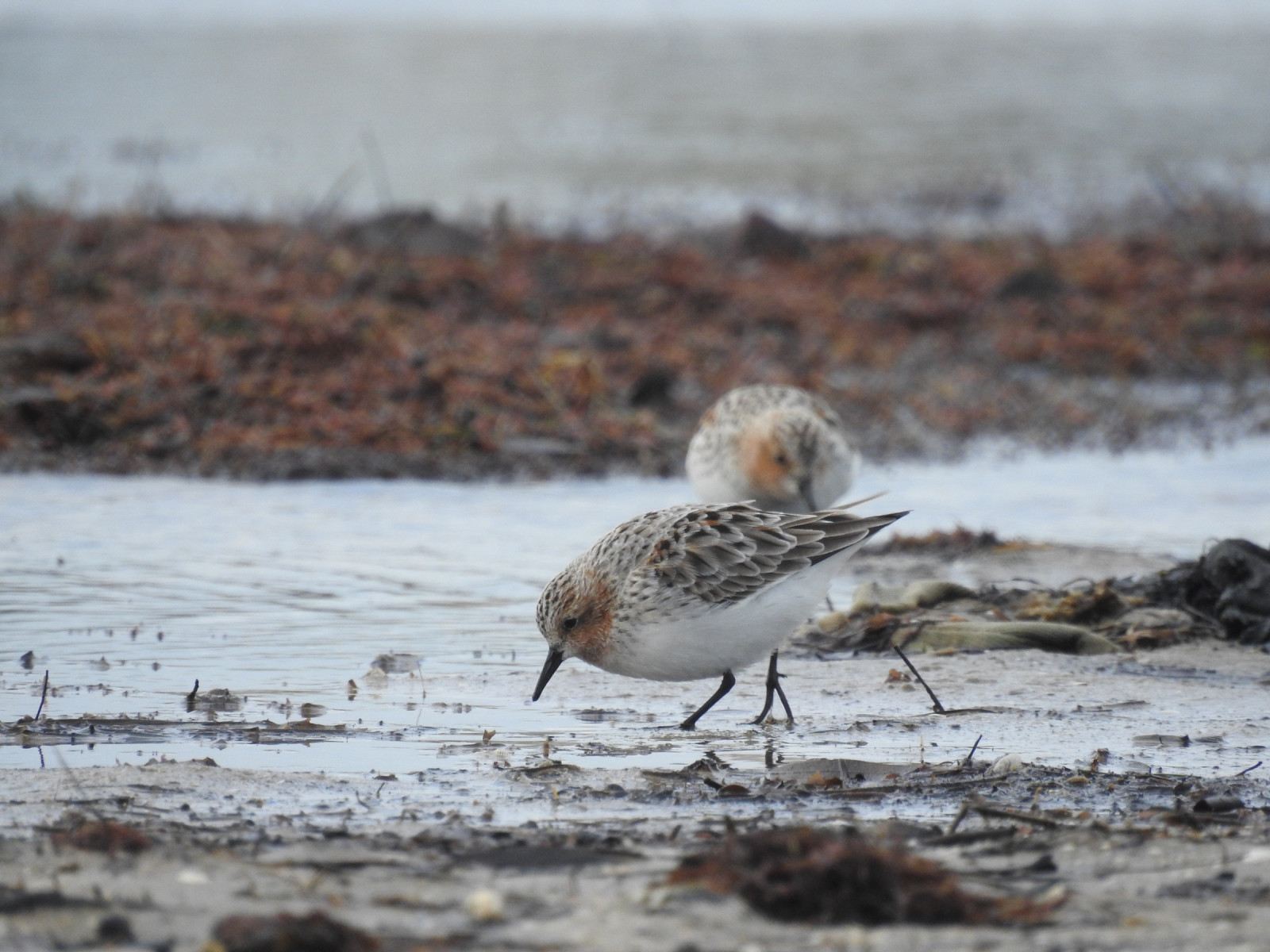
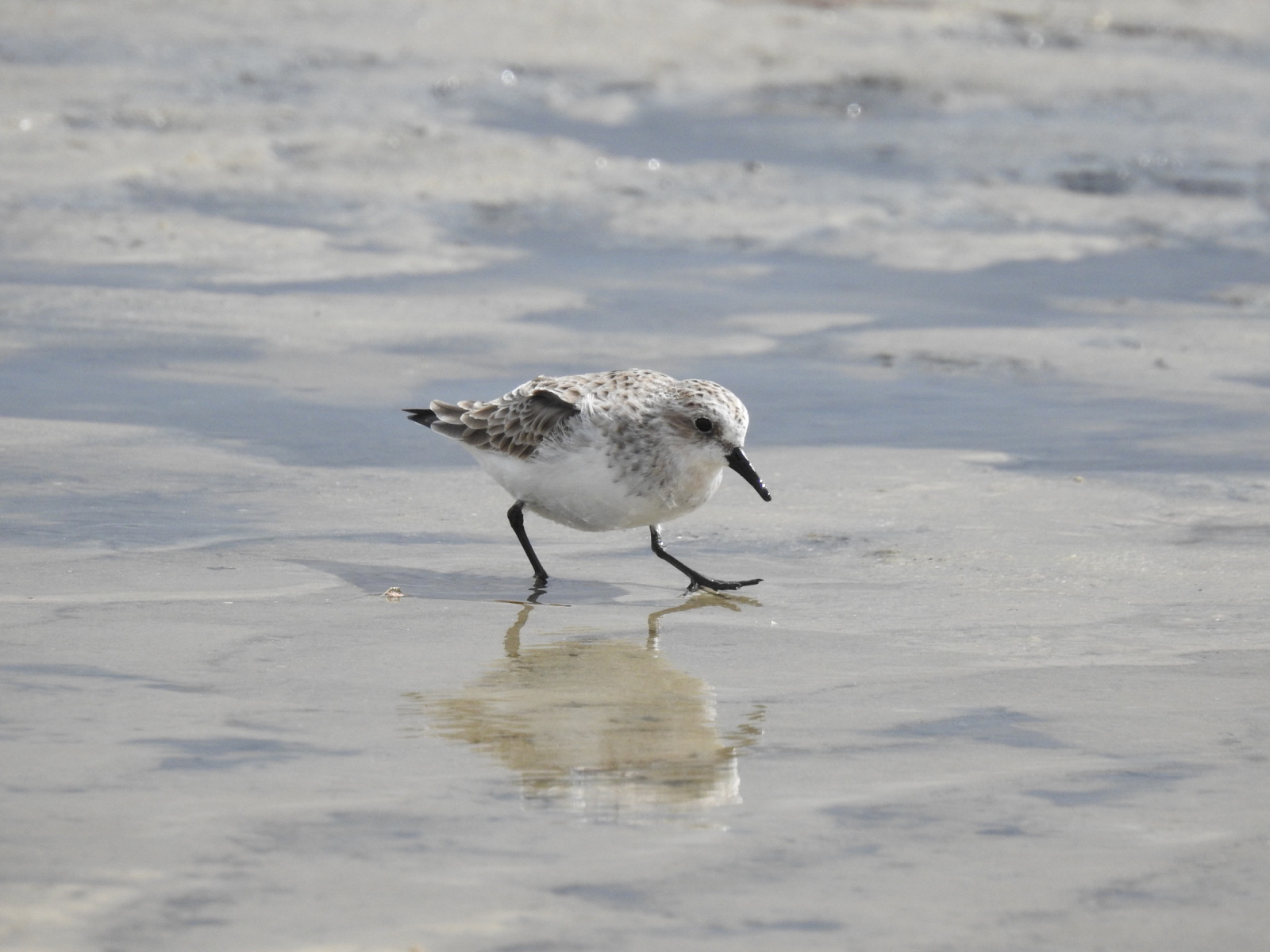
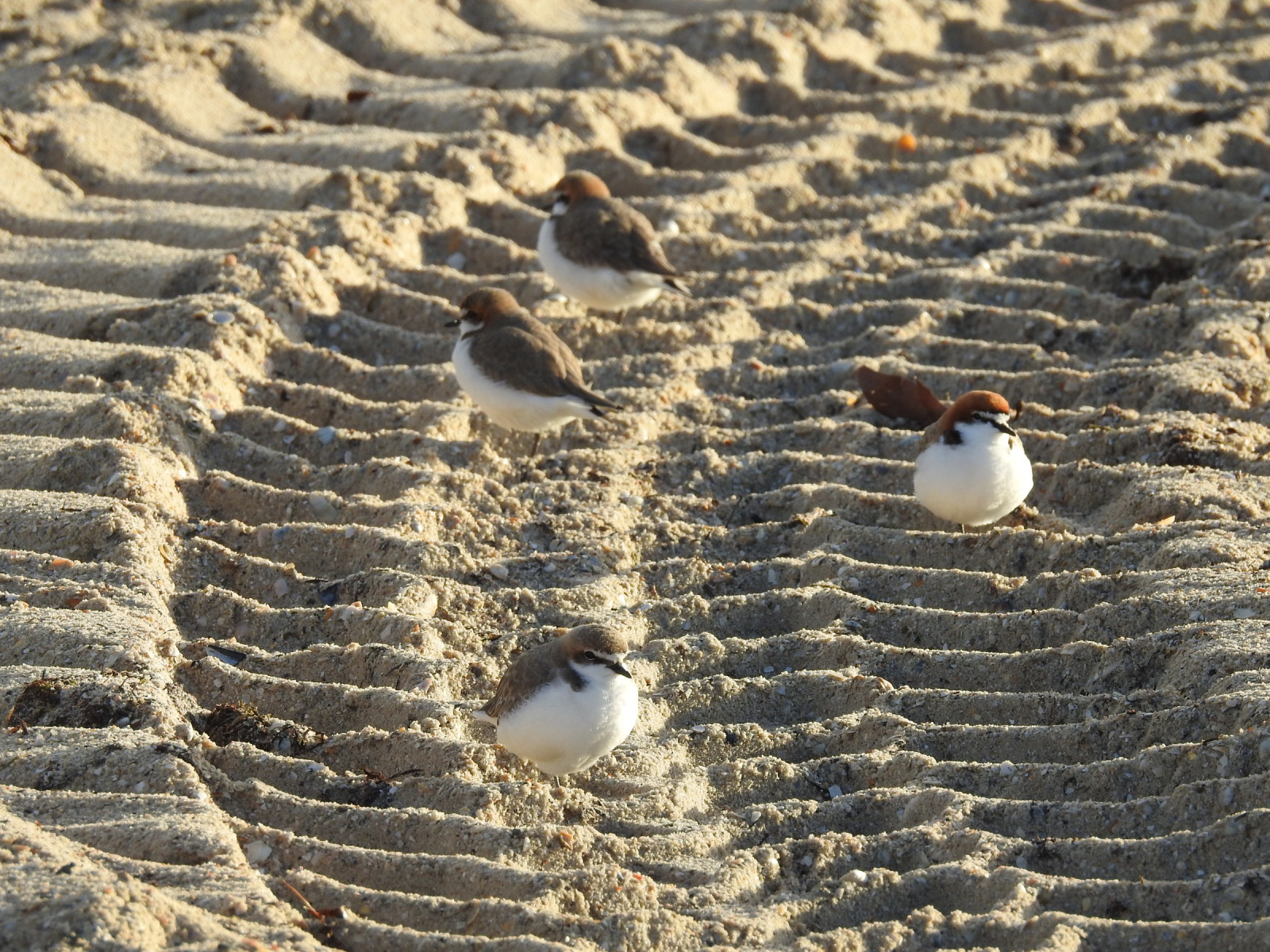
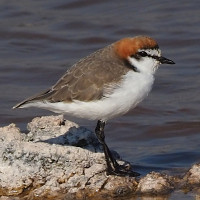
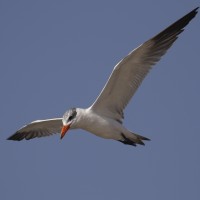
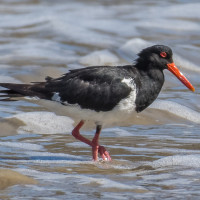
From autumn until spring, a few dozen Red-necked Stint forage in the mud flats with Red-capped Plover , and the occasional Double-banded Plover . These join the local Silver Gull , Pacific Gull , and Greater Crested Tern population, a pair of Australian Pied Oystercatcher , and sometimes Pied Stilt . In the saltwater, Great Crested Grebe , Hoary-headed Grebe , Pied Cormorant, and Little Pied Cormorant can be seen diving for fish. Red Wattlebird dominate the coastal heath and banksia woodland.
In spring, a pair of Caspian Tern visit the pier and are sometimes seen on the West Beach as well. Throughout the year, there are visits by Grey Teal, Black Swan , and White-faced Heron .
Detalhes
Acesso
This area is located at the southern end of Middle Park/northern end of St Kilda. This is best accessed by public transport or bike: the 12 and 96 tram routes stop within a short 5m walk of St Kilda West Beach, and the 16/3a within about 10m walk. Located on the Beach Road cycling route, this is easy to access by bike as well; there are bike rings provided along the road.
Parking is available near St Kilda Pier and along Beach Road, but is limited. Press P on the map for directions.
This area is best explored on foot, because it is a beach. Depending on the tide situation you may need to hop over running water, spongy mud and silt, or piles of damp seaweed; keeping shoes dry will take effort and limit birding potential. There are solid paths through the foreshore reserve behind West Beach Pavilion, but these often end in a sandy patch, and do not allow close access to the shorebirds.
Allow 30-45 minutes, or longer if you plan to stare at/photograph the shorebirds. It does not take very long to walk around the area.
Terreno e Habitat
Lamaçais , Praia , Zonas húmidas , DunasCondições
Plano , Arenoso , Escorregadio , Pantanoso , Possível na maré cheiaCaminho circular
Simé útil um telescópio?
Pode ser útilBoa temporada de observação de aves
Inverno , Outono , PrimaveraMelhor hora para visitar
InvernoRota
Caminho estreitoCaminho dificil
Caminhada médiaAcessível por
PéAbrigo/plataforma deobservação de aves
NãoInformação extra
Best visited during low tide and in the morning/evening. Shorebirds arrive around March and depart October; it is worth checking eBird to see whether they have arrived yet.
 - Chroicocephalus novaehollandiae scopulinus.JPG)
 ) para inserir nomes de aves no seu idioma. Os nomes das aves serão traduzidos automaticamente para outros utilizadores!