Descrição
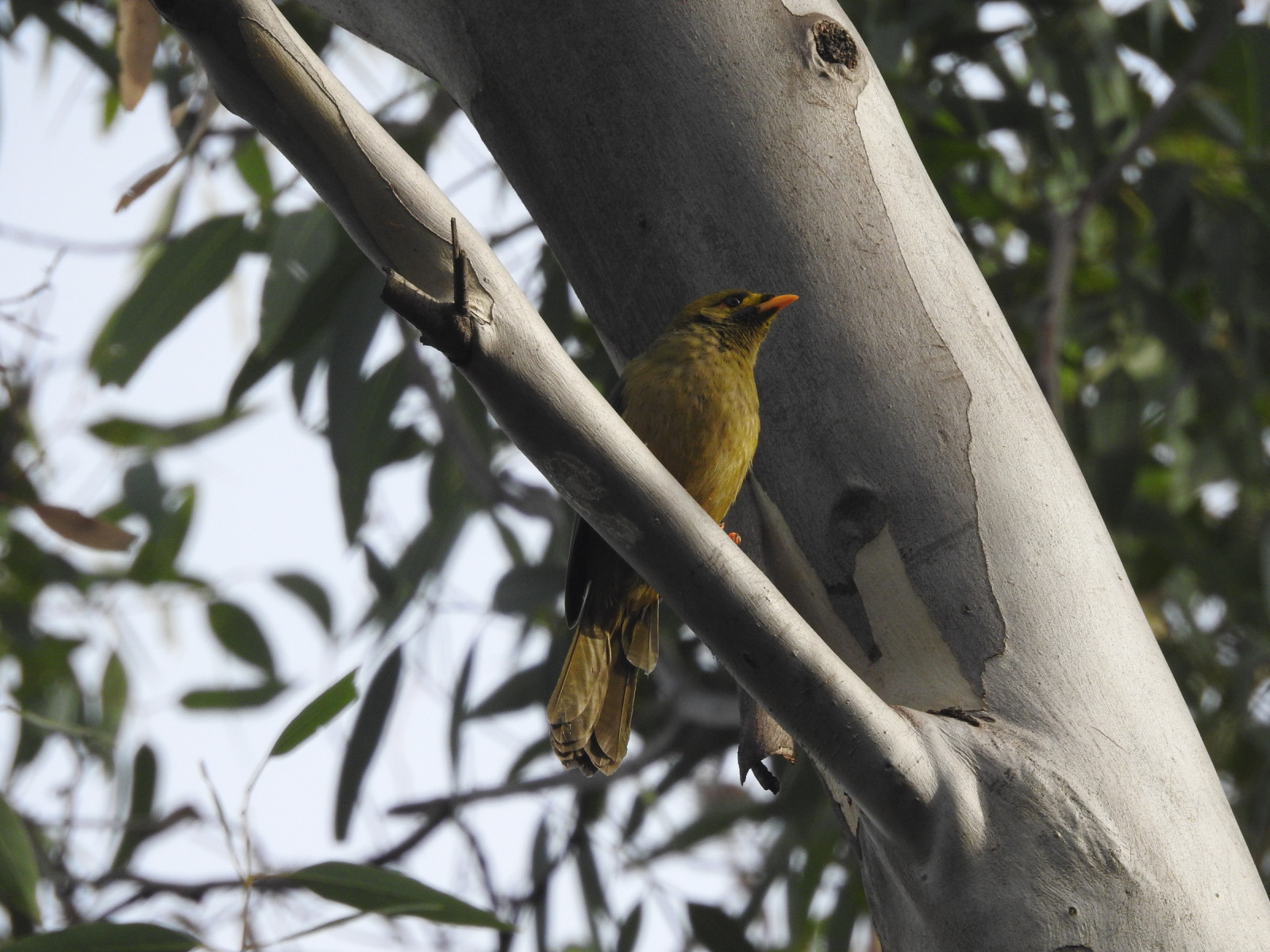
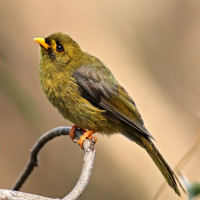
Trim-warren Tamboore Bellbird Waterhole is a secluded patch of Royal Park devoted to the conservation of indigenous flora and fauna. It includes two wetland ponds surrounded by bushland, a creek, a rocky hill, and some precious patches of remnant vegetation. Nestled in the ringing calls of the resident Bell Miner, with Superb Fairywren dancing over the paths, this is simply a beautiful place to visit, and the jewel in the crown of Melbourne's urban birding hotspots.
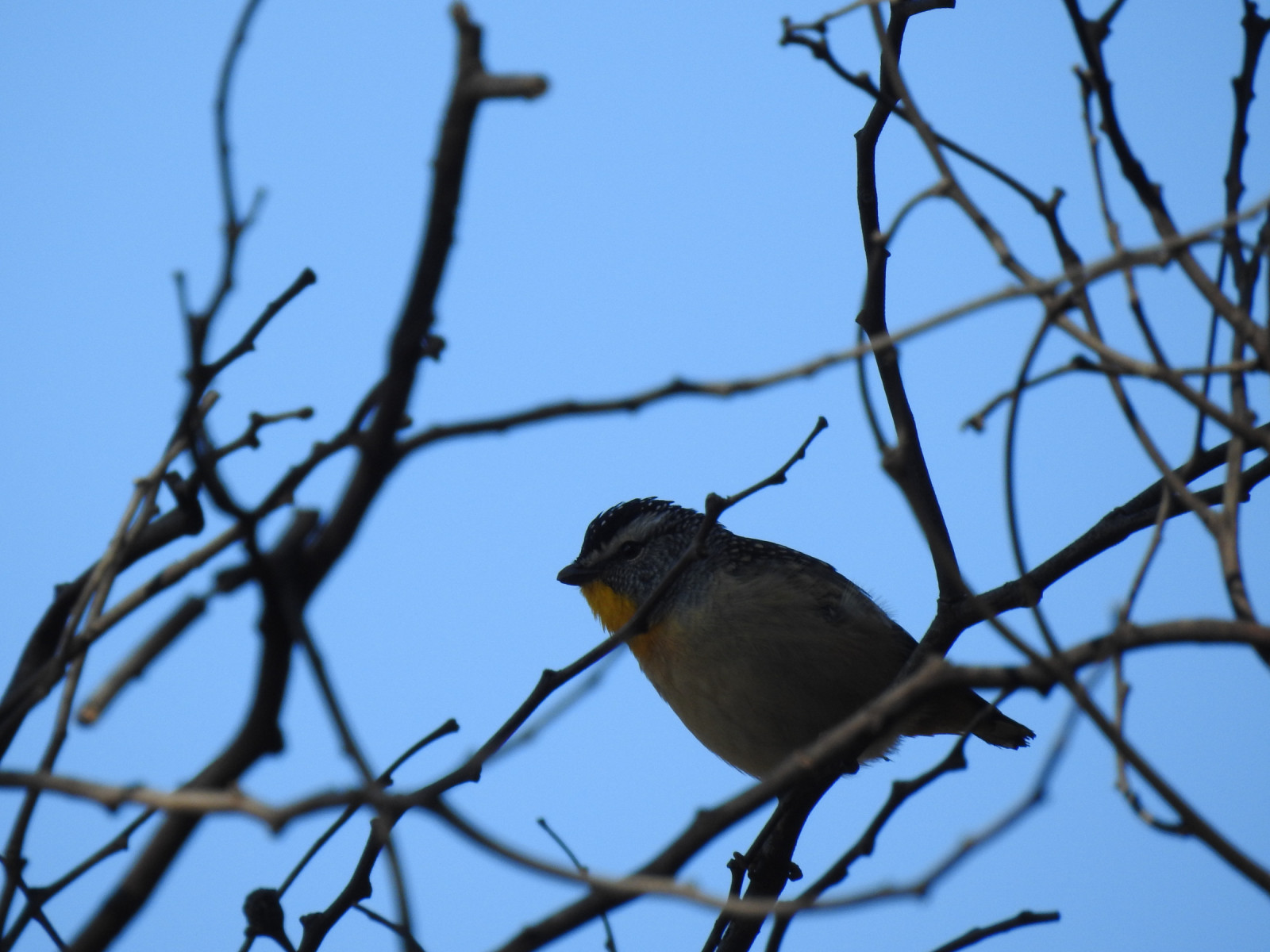
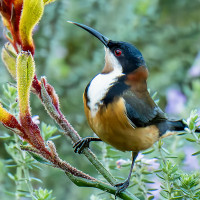
The surrounding bushland and remnant vegetation are home to a rare urban population of Victoria's small forest birds, including White-browed Scrubwren but also Eastern Spinebill , White-plumed Honeyeater , New Holland Honeyeater , and sometimes Golden Whistler or Rufous Whistler . The most precious inhabitants are the Spotted Pardalote , which nest within this area and can be seen (or more often heard) in the eucalyptus canopy. Other potential little birds include Mistletoebird and Brown Thornbill .
In the wetland areas live a selection of Melbourne's common wetland birds (Australasian Swamphen , Dusky Moorhen , Chestnut Teal , Grey Teal , Pacific Black Duck ), sometimes joined by rarer waterfowl like Hardhead ducks.
Detalhes
Acesso
The Trin Warren Tam-boore Bellbird Waterhole is located at the north-western edge of Royal Park, which lies in Parkville just north of Melbourne's CBD. Royal Park is a very large park (home to Melbourne Zoo, the Royal Children's Hospital, lots of sporting fields, the Native Grassland Circle, and more) and navigation can be difficult.
Nestled between several major traffic thoroughfares, car access is possible but not advisable during peak hour. There is a car park next to the Waterhole, and bike loops also. Press P on the map for directions.
The 59 tram stops to the south, and the 58 to the east, with both about 1km walk from the Waterhole. The Upfield train line (which runs through the Park) Royal Park Station is just as close.
The Waterhole is best explored on foot, especially if you climb the hill (where erosion is a concern). Dogs are not allowed at all within this section of Royal Park.
Allow up to 2 hours for a comprehensive birding visit, or 45 m for a smaller circuit around the waterhole itself
Terreno e Habitat
Árvores e arbustos dispersos , Floresta , Terras húmidas , Campina , Camas de juncoCondições
Plano , Montanhoso , RochosoCaminho circular
Simé útil um telescópio?
NãoBoa temporada de observação de aves
Durante todo o anoMelhor hora para visitar
Migração da primavera , Migração de outonoRota
Caminho estreito , Caminho largoCaminho dificil
Caminhada médiaAcessível por
PéAbrigo/plataforma deobservação de aves
SimInformação extra
The best way to discover the Waterhole is via the bimonthly bird survey, run by Friends of Royal Park (see website for more details). This takes place on Sunday mornings from 9-11 am; the dates for 2026 are Feb 15th, April 19th, June 14th, Aug 9th, Oct 11th and Dec 13th. These bird surveys regularly attract dozens of birders and bird photographers whose expertise is invaluable for finding shyer species.

 ) para inserir nomes de aves no seu idioma. Os nomes das aves serão traduzidos automaticamente para outros utilizadores!