Descrição
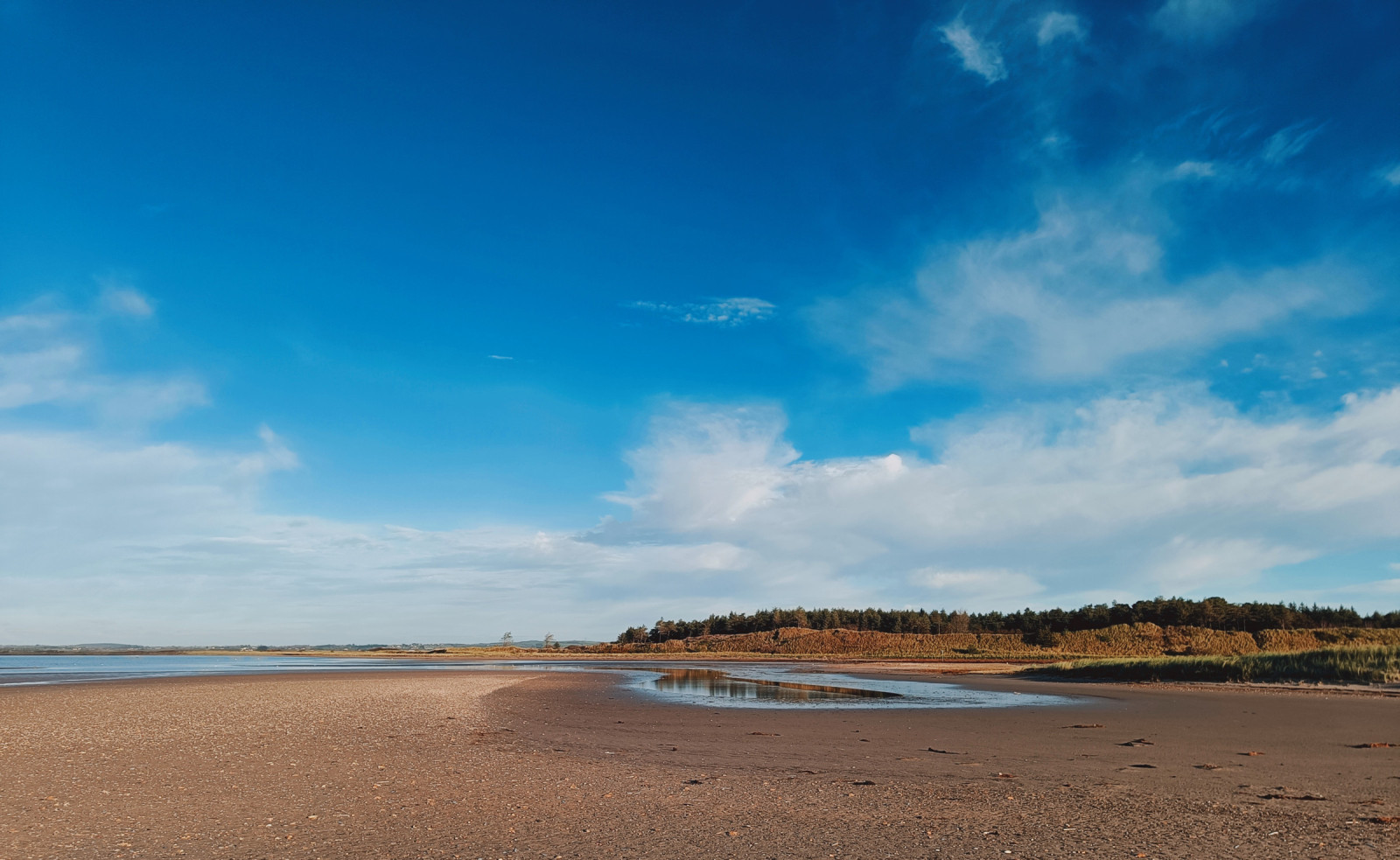
The Raven Wood Nature Reserve and Raven Point offers a mulltitude of habitats, with the woodland itself composed of mixed conifer and decidious woodland. It is bordered by the reclaimed lands of the North Slob to the west and to the east it is bordered by a sand dune system and Curracloe Beach. At the end of the woodland, the Raven Point is part of the Wexford Harbour estuary complex and is an important foraging and roosting area for many waterbird species. All together, this site offers the chance to see woodland birds, farmland birds, wildfowl and seabirds all in one looped walk!
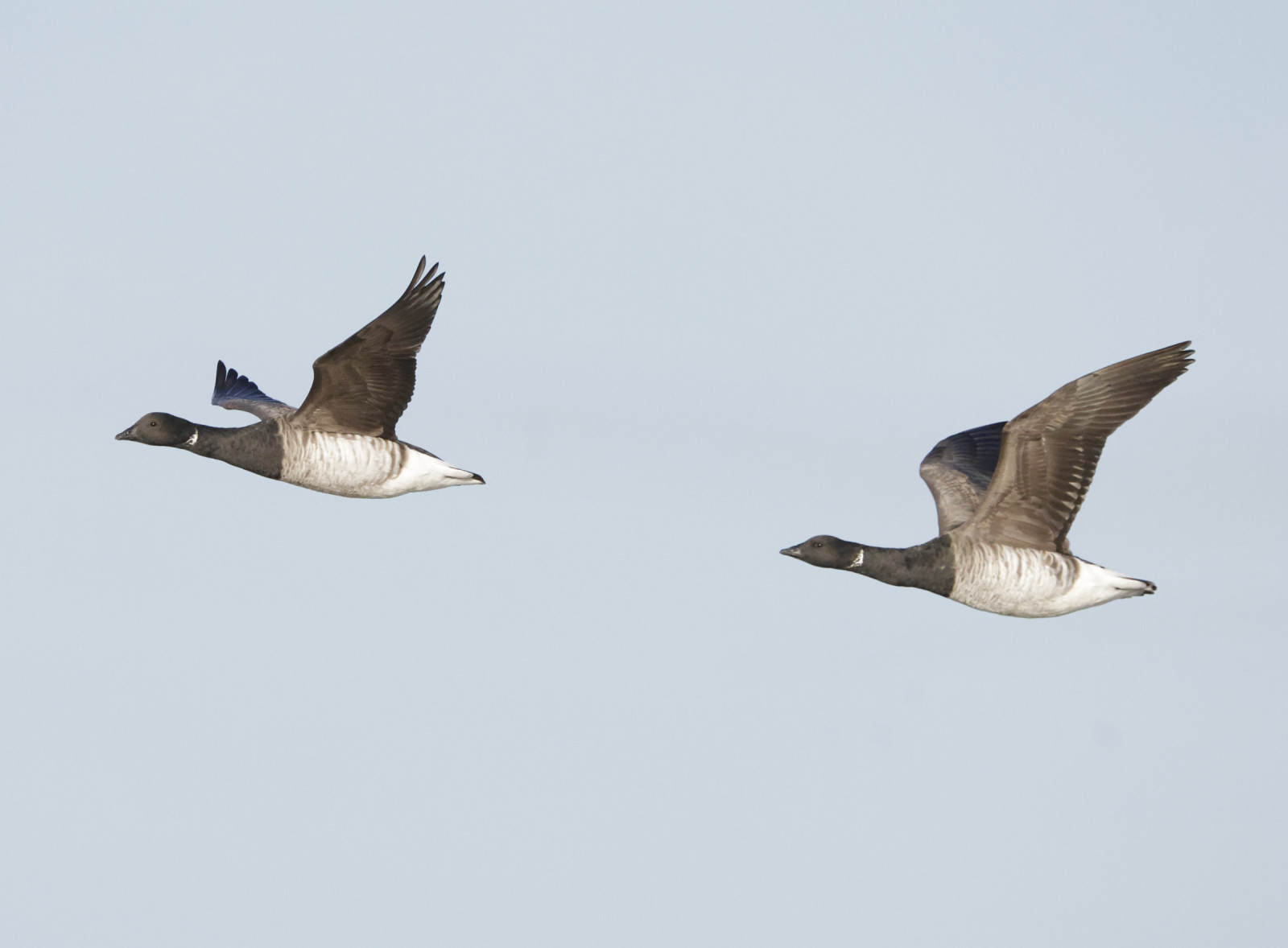
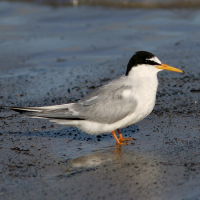
The Raven is most famous for the wintering Ganso-grande-de-testa-branca which can often be seen foraging in the fields next to the woods or commuting between Wexford Harbour and the nearby Wexford Wildfowl Reserve. The Raven is also known for its colony of Andorinha-do-mar-anã on the beach, one of the very few left in Ireland. This colony experiences various levels of success year to year and the size of the colony can change each year.
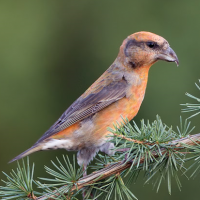
In the woodland itself, Pica-pau-malhado-grande and Cruza-bico-comum can be found throughout the year. In the summer there are breeding Papa-moscas-cinzento and in the evenings, roding Galinhola.
At the Raven Point, Irish Terns can be seen, sometimes in high numbers, particularly during the post-breeding season and into autumn migration time.
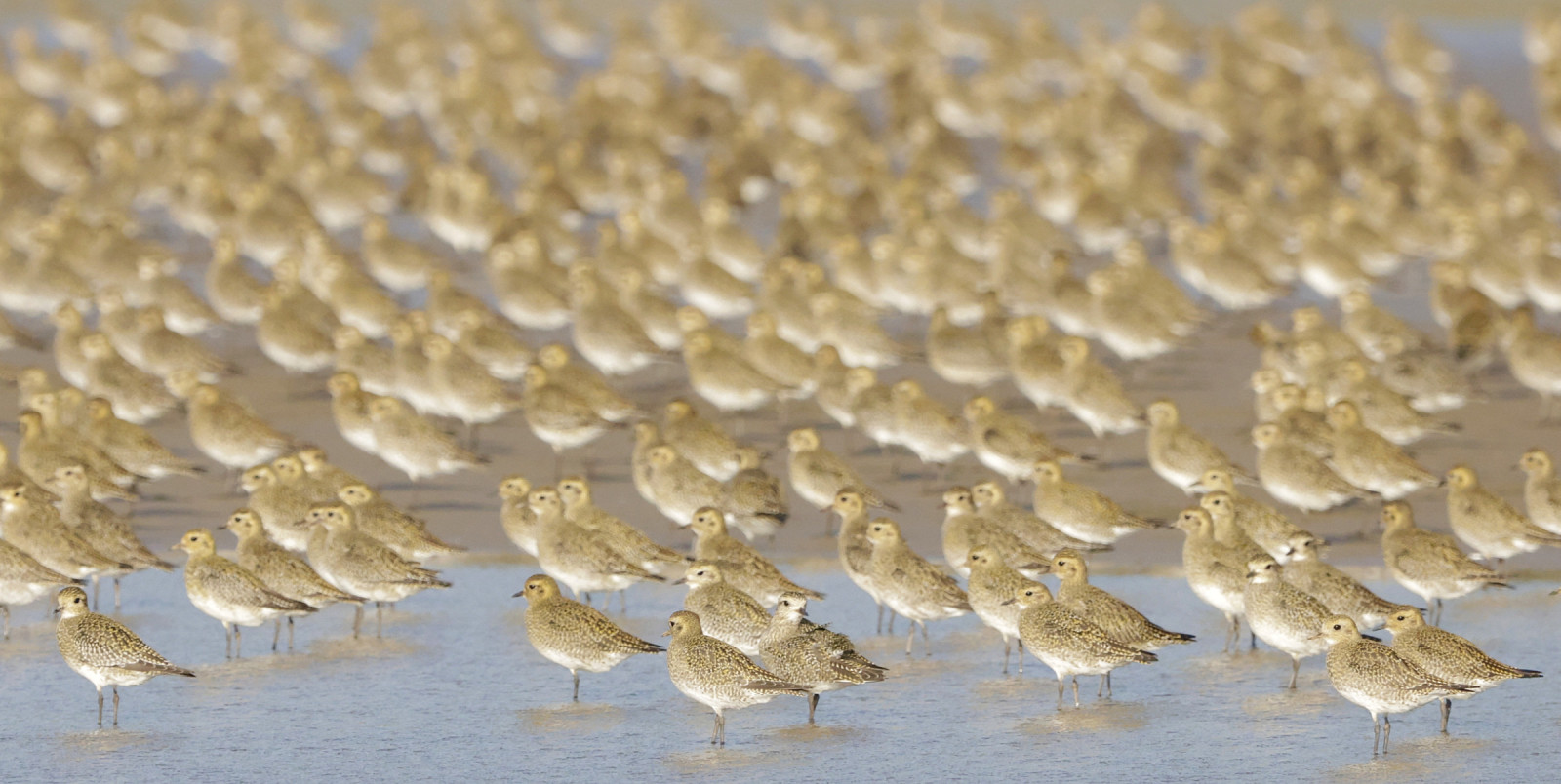
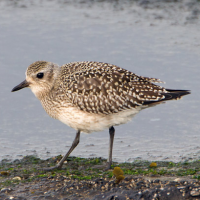
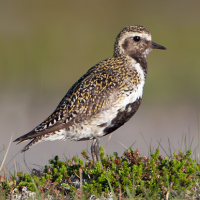
In winter, nationally important numbers of Pato-branco, Tarambola-cinzenta, Tarambola-dourada, Abibe-comum, Fuselo, Maçarico-de-bico-direito, Seixoeira, Pilrito-sanderlingo and Pilrito-comum can be seen here or on the sandbanks off Raven point. Pato-preto, Eider-edredão and Merganso-de-poupa can sometimes be seen in Wexford Harbour itself.
During the migration months, keep an eye out for Pilrito-de-bico-comprido and Pilrito-pequeno which are often recorded here.
NOTE: The Raven Point is constantly changing due to tidal shifts and coastal deposition and therefore the map isn't entirely accurate.
Detalhes
Acesso
The Raven is located 12 km east of Wexford. There is a large car park at the trailhead for the wood (see map). Press P on the map for directions to the car park. This is a popular area for walkers, runners and beachgoers and is easy to access and well signposted. It's possible to do a looped walk (about 10 km) either through the woodland or through the woods and walking back along the beach or vice versa.
Terreno e Habitat
Floresta , Terras húmidas , Campina , Árvores e arbustos dispersos , Dunas , Mar , Praia , AgriculturaCondições
PlanoCaminho circular
Simé útil um telescópio?
Pode ser útilBoa temporada de observação de aves
Durante todo o anoMelhor hora para visitar
Inverno , Migração de outono , Migração da primaveraRota
Caminho largo , Estrada não pavimentadaCaminho dificil
Caminhada médiaAcessível por
Pé , BicicletaAbrigo/plataforma deobservação de aves
NãoInformação extra
If timed right at dawn or dusk in winter, the Ganso-grande-de-testa-branca provide a breathtaking spectacle as thousands of geese commute between their roosting area on the sandbanks in Wexford Harbour, the North Slob, and Wexford Wildfowl Reserve.
There is fencing put up in the summer to protect the Andorinha-do-mar-anã colony, be mindful not to disturb them and the breeding waders on the beach.
The Raven is also a great site for Red Squirrel and the Raven Point is an important area for Grey Seals where they can be seen in large numbers, particularly in the autumn and winter months.
 ) para inserir nomes de aves no seu idioma. Os nomes das aves serão traduzidos automaticamente para outros utilizadores!