Descrição
The Ciane River and Salt Pans of Syracuse Nature Reserve was created for the purpose of protecting and restoring the papyrus plant along the Ciane River and conserving the wetland habitats of the Syracuse salt marshes. The Ciane River constitutes a fluvial ecosystem characterized by abundant riparian flora and fauna linked to freshwater and marshland environments. Where the river meets the sea are located the salt marshes, a vital wetland that hosts a vast array of birds, including both resident and migratory species.
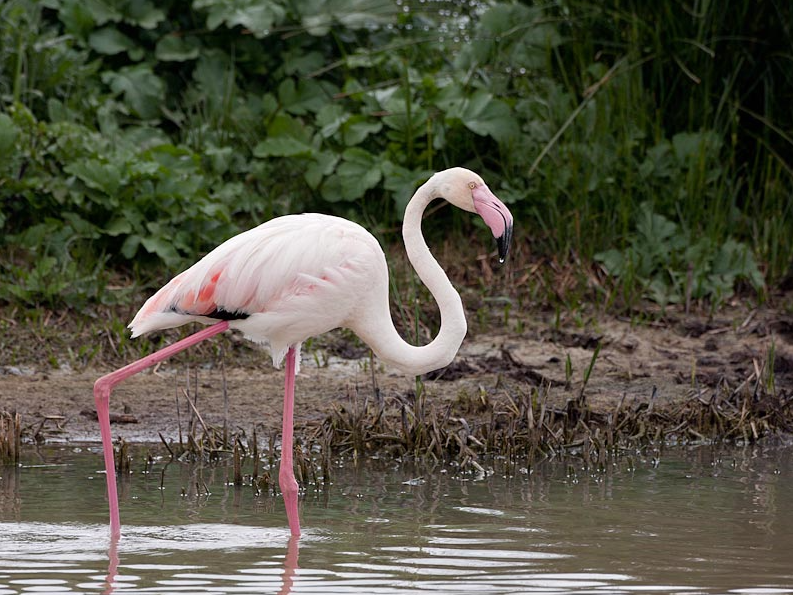
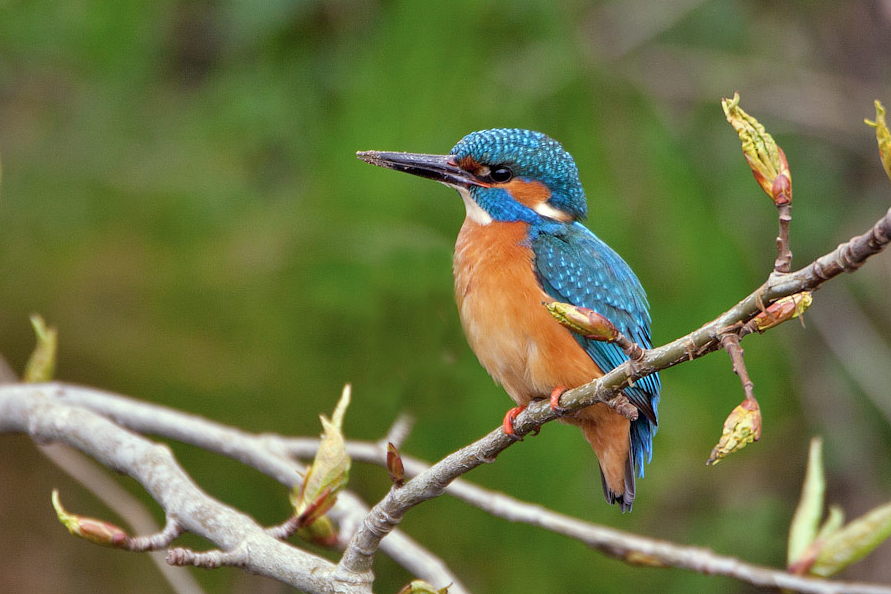
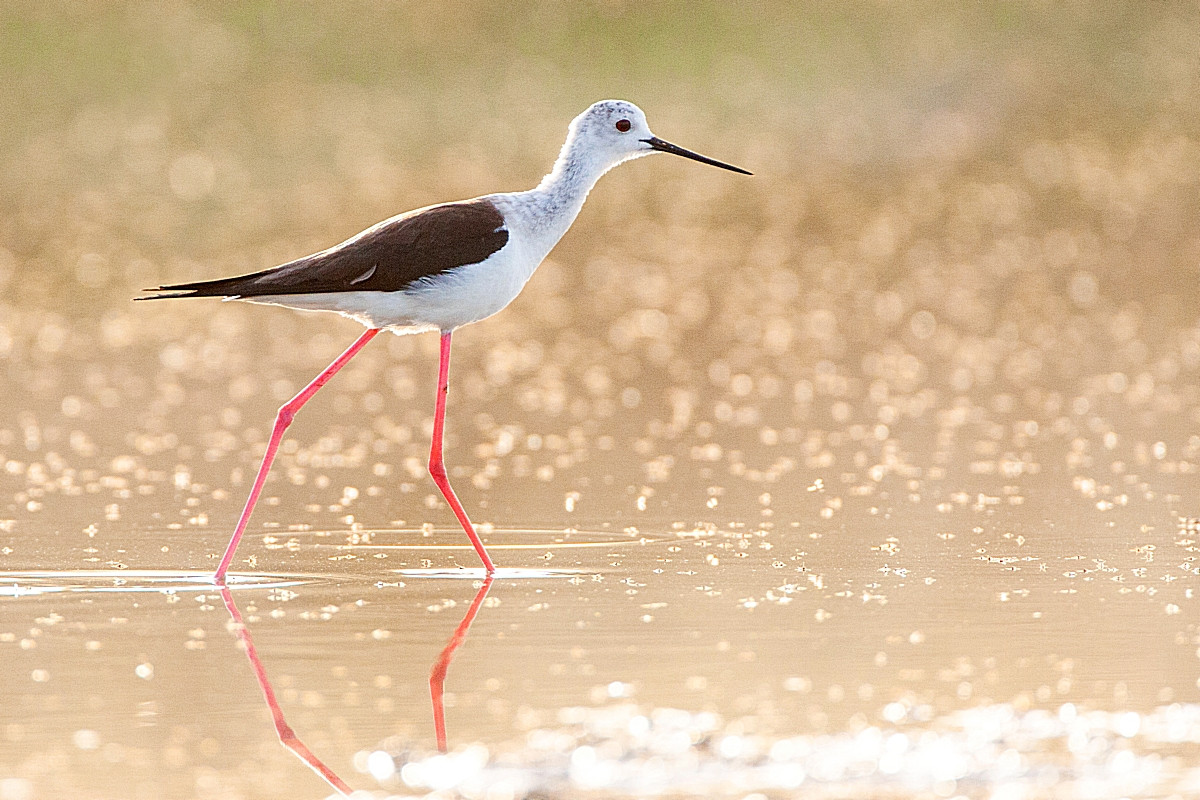
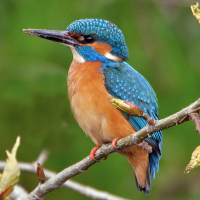
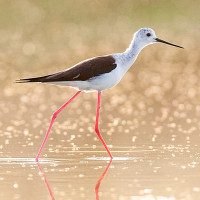
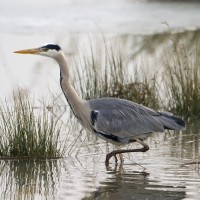
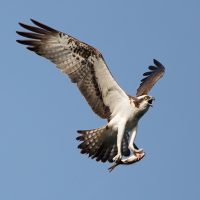
Among the long-distance migrants, there are Flamingo-comum, Garça-real, Garça-branca-pequena, Colhereiro, Cisne-vulgar and Corvo-marinho-de-faces-brancas. Among the birds of prey and waterbirds, you can spot Águia-pesqueira, Pernilongo, Galeirão-comum, Piadeira and Marrequinha-comum. Breeding species: Guarda-rios-comum, Abetouro-comum, Galinha-d'água and Frango-d'água. Rare species that have been recorded, include Gaivina-de-bico-laranja and Maçarico-sovela.
_________________________
Italiano: La riserva funge da fondamentale punto di sosta per l'avifauna migratoria che attraversa il Mediterraneo verso l'Africa. La Riserva è stata istituita al fine di salvaguardare e rivitalizzare la pianta del papiro lungo il corso del fiume Ciane e conservare gli ambienti della zona umida delle Saline di Siracusa. Il fiume Ciane costituisce un ambiente fluviale ricco di vegetazione ripariale e specie appartenenti alla fauna legata all'ambiente fluviale e limicolo. Dove il fiume sfocia incontrando il mare si trovano le saline, importante zona umida per la sosta degli uccelli all'avifauna migratrice.
Detalhes
Acesso
From Syracuse, take the SS 115 towards Noto/Ragusa and follow the signs for "Fonte Ciane" or "Saline." Papyrus Trail: An easy path of approximately 2.7 km that runs along the river, ideal for spotting riverine species. Salt Marsh Trails: The wetlands near the river mouth are the best spots for observing large migratory birds.
_________________________
Italiano: Da Siracusa, imboccare la SS 115 per Noto/Ragusa e seguire le indicazioni per "Fonte Ciane" o "Saline". Sentiero del Papiro: Un percorso agevole di circa 2,7 km che costeggia il fiume, ideale per avvistare specie fluviali. Sentieri delle Saline: Le aree umide vicino alla foce sono i punti migliori per l'osservazione dei grandi migratori.
Terreno e Habitat
Terras húmidas , Rio , Mar , Camas de juncoCondições
PlanoCaminho circular
Nãoé útil um telescópio?
Pode ser útilBoa temporada de observação de aves
Durante todo o anoMelhor hora para visitar
Migração de outono , Migração da primaveraRota
Estrada não pavimentadaCaminho dificil
FácilAcessível por
PéAbrigo/plataforma deobservação de aves
SimInformação extra
Free entrance. Peak migration seasons (spring and fall) provide the highest biodiversity for birdwatching. Is recommended visiting the area in the early morning or at sunset for the best wildlife sightings. Some visitors report that certain sections of the trails or small bridges may occasionally be under maintenance; therefore, it is advisable to check the trail conditions in advance.
_________________________
Italiano: Ingresso: Libero e gratuito. I momenti di picco della migrazione (primavera e autunno) offrono la massima varietà di specie. Si raccomanda di portare binocoli e di visitare l'area al mattino presto o al tramonto per la migliore visibilità della fauna. Alcuni visitatori segnalano che certi tratti dei sentieri o ponticelli possono essere occasionalmente in manutenzione, quindi è bene informarsi preventivamente sulle condizioni dei percorsi.
 ) para inserir nomes de aves no seu idioma. Os nomes das aves serão traduzidos automaticamente para outros utilizadores!